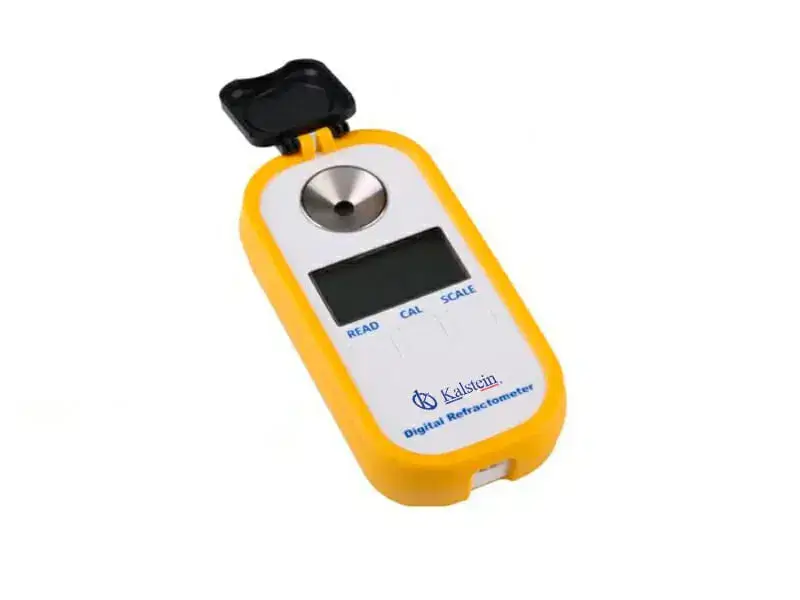
Understanding ROI and Cost-Benefit Analysis for Digital Salinity Refractometers
In the contemporary laboratory environment, the evaluation of laboratory equipment through the lens of Return on Investment (ROI) and cost-benefit analysis has become essential for decision-making processes. Digital Salinity Refractometers are crucial instruments used extensively in various applications such as environmental monitoring, food industry, and chemical analysis. This article delves deeply into how to effectively assess the ROI and cost-benefit analysis specifically for digital salinity refractometers, helping laboratories to make informed purchasing decisions.
The Importance of ROI in Laboratory Equipment Investments
Evaluating ROI is a systematic approach to measuring the profitability of an investment relative to its cost. For laboratories, this means understanding how the implementation of a digital salinity refractometer can enhance operational efficiency, reduce costs in the long term, and contribute to reliable results. Digital salinity refractometers such as the YR05953 and YR05954 provide precise measurements of salinity and other parameters, making them invaluable for laboratories aiming for high-quality outputs.
Cost-Benefit Analysis: Breaking Down the Metrics
Conducting a thorough cost-benefit analysis involves comparing the expected costs of purchasing and maintaining a digital salinity refractometer against the expected benefits derived from its use. Costs may include purchase price, maintenance, and consumables, while benefits may be quantified in terms of improved accuracy, time savings, and reduced waste. A digital salinity refractometer like the YR05955, with its automatic temperature compensation feature, prevents errors in readings that can save considerable time and resources, enhancing overall productivity.
Analysis of Available Models
When considering different models of digital salinity refractometers, it is essential to analyze their unique specifications and applications. Below is a comparison table that highlights critical metrics for each model.
| Model | Measurement Range | Accuracy | Temperature Compensation | Best Use Case |
|---|---|---|---|---|
| YR05953 | 0.0--28.0% | ±0.1% | Yes | Salinity in freshwater applications |
| YR05954 | 0--280‰ | ±1‰ | Yes | Salinity in marine applications |
| YR05955 | 1.000-1.217 | ±0.002 | Yes | Density measurements |
| YR05956 | 1.3330--1.3900nD | ±0.0003nD | Yes | Refractive index applications |
| YR05957 | 0—100‰ | ±2‰ | Yes | General salinity measurement |
| YR05958 | 0--57‰ | ±2‰ | Yes | Climatic studies |
Understanding the Payback Period: A Quantitative Approach
The payback period is a valuable metric in assessing the effectiveness of any investment. For digital salinity refractometers, this involves calculating how long it takes for the savings generated by the improved efficiency and accuracy to pay back the initial investment. For instance, if a laboratory invests in a YR05953 model costing $76.00, and the enhanced accuracy saves the lab $10.00 per week in waste and retraining, the payback period would be approximately 7.6 weeks.
Common Mistakes and How to Avoid Them
One of the common pitfalls in laboratory equipment procurement is not thoroughly understanding the specific needs of the application. Laboratories often overlook the importance of proper calibration and maintenance, which can lead to increased costs. It's essential to ensure that models like the YR05954 are suitable for the expected salinity ranges and operational conditions to avoid underperformance.
Frequently Asked Questions
How can I determine the ROI of a digital salinity refractometer?
The ROI of a digital salinity refractometer can be calculated by dividing the net profit generated over time by the total investment cost. For example, if a laboratory spends $76.00 on a YR05955 and saves $200 annually through reduced errors, the ROI can be assessed through these figures.
What factors should be considered in a cost-benefit analysis of refractometers?
Factors to consider include the initial acquisition cost, maintenance expenses, accuracy improvements, and the reduction of waste or errors. Models such as the YR05956 can provide significant improvements in accuracy, directly affecting cost savings in the lab.
Which model offers the best accuracy for salinity measurements?
The YR05953 model offers ±0.1% accuracy for salinity measurements, making it one of the most precise options in the market, particularly suitable for applications requiring high precision.
How does automatic temperature compensation affect my readings?
Automatic Temperature Compensation (ATC) in models like the YR05954 ensures that readings are accurate across a range of temperatures. This feature eliminates frequent recalibrations and enhances reliability in diverse conditions.
What is the typical lifespan of a digital salinity refractometer?
Typically, a well-maintained digital salinity refractometer can last several years, often exceeding five years, depending on usage and care. Regular calibration and adherence to manufacturer guidelines are crucial, especially for models like the YR05957.
How can I maximize the performance of my digital salinity refractometer?
To maximize performance, ensure proper calibration, use the device within the specified temperature range, and clean the optical components regularly. Models such as the YR05958 are designed for ease of use and can significantly enhance productivity when used correctly.
Why is a comprehensive cost-benefit analysis crucial for laboratory purchases?
A comprehensive cost-benefit analysis helps laboratories justify their investments by evaluating potential savings against costs. This method enables informed decisions on models like the YR05954, ensuring alignment with operational goals and financial constraints.
Conclusion: Making Informed Choices
In summary, understanding ROI and conducting a thorough cost-benefit analysis is critical when selecting digital salinity refractometers for laboratory use. Models such as the YR05953, YR05954, and others offer varying features that cater to specific laboratory needs. By analyzing these factors and avoiding common mistakes, laboratories can optimize their investments and improve efficiency.
If you are looking for a fusion of innovation and quality, you have come to the right place. At Kalstein, we offer you the luxury of exploring our exclusive catalog of laboratory equipment. We manufacture every device to the highest standards of excellence. Our intuitive and seamless online purchasing channels are designed for your convenience, securing the most competitive prices. Hesitate no longer — we bring science to life, it is time to become part of our community.