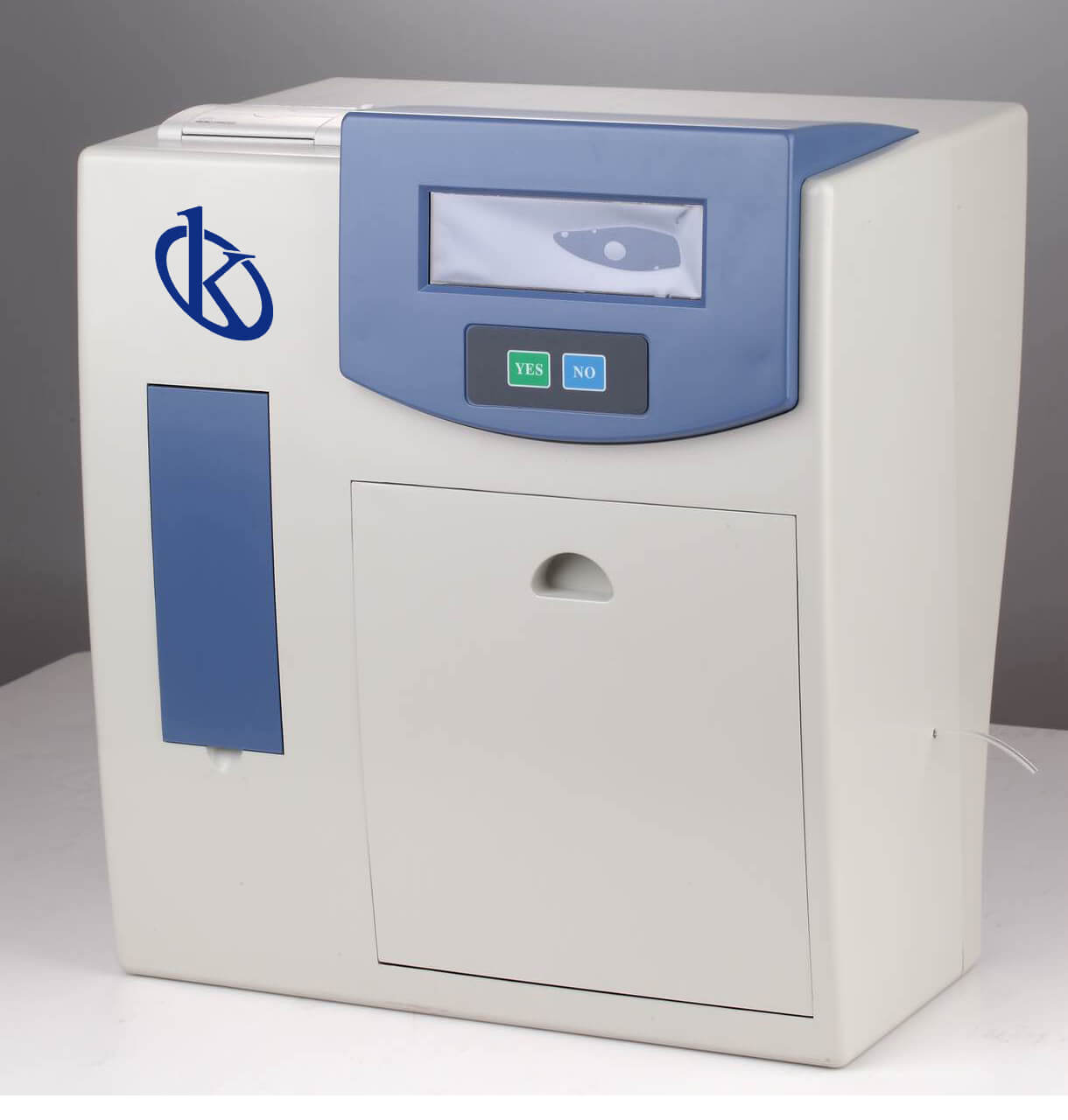
Understanding ROI and Cost-Benefit Analysis for Electrolyte Analyzers
Electrolyte analyzers play a crucial role in clinical laboratories, providing vital information regarding patient health through the measurement of key electrolytes. As laboratory budgets tighten and financial scrutiny increases, understanding the return on investment (ROI) and conducting a thorough cost-benefit analysis for these analyzers becomes critical. This article will delve into the nuances of ROI and cost-benefit considerations when investing in electrolyte analyzers, comparing several models and analyzing their financial implications in laboratory settings.
Framing the ROI and Cost-Benefit Analysis for Electrolyte Analyzers
The decision to purchase an electrolyte analyzer should not be based solely on its specifications but rather its overall value proposition within the laboratory's operations. ROI and cost-benefit analysis provide frameworks to assess how these devices can enhance efficiency, improve patient outcomes, and ultimately contribute to financial sustainability in a lab environment. By evaluating both the initial capital expenditures (CAPEX) and ongoing operational expenses (OPEX), laboratories can make informed decisions aligned with their budgetary goals and clinical needs.
Comparison of Available Models
| Model | CAPEX (USD) | Cost per Test (USD) | Payback Period (Months) | Recommended Scenario |
|---|---|---|---|---|
| YR05169 | 6797.50 | 3.50 | 12 | High throughput laboratories requiring stability |
| YR06391 | 1250.00 | 1.50 | 8 | Small to medium labs with budget constraints |
| YR06392 | 1450.00 | 2.00 | 9 | Versatile labs needing multiple sample analyses |
| YR06393 | 1650.00 | 1.75 | 10 | Labs analyzing various sample types |
| YR06394 | 1850.00 | 1.80 | 11 | Medium labs with diverse analytical needs |
| YR06395 | 2050.00 | 2.25 | 10 | Comprehensive labs requiring high accuracy |
Understanding CAPEX and OPEX in Electrolyte Analyzers
Capital expenditures (CAPEX) refer to the initial costs incurred when acquiring an electrolyte analyzer, while operational expenditures (OPEX) represent the ongoing costs of running and maintaining the device. A well-planned analysis should account for both expenditures to determine the overall financial viability of the investment.
For instance, the YR05169 model, with a CAPEX of $6797.50, has a low cost per test of $3.50, leading to a payback period of approximately 12 months. This makes it an attractive option for high-throughput laboratories aiming to enhance efficiency without sacrificing quality.
Cost-Per-Test and Its Impact on ROI
The cost-per-test metric is vital for determining the financial efficiency of an electrolyte analyzer. This figure includes consumables and maintenance costs associated with the analyzer. For example, the YR06391 model, with a cost per test of just $1.50, illustrates a significant saving for smaller labs focused on sustainability and cost-efficiency. By understanding this metric, laboratories can forecast their budget more accurately and ensure they maximize productivity while keeping expenses in check.
Payback Period: Evaluating Financial Viability
The payback period indicates how long it will take for a laboratory to recover its initial investment through savings generated by the analyzer. For instance, the YR06392 model has a payback period of only 9 months, making it a financially sound choice for labs with limited budgets or those that process a high volume of tests. Calculating the payback period allows institutions to assess the risks involved in the investment.
Operational Efficiency Through Electrolyte Analyzers
Besides financial considerations, electrolyte analyzers can significantly enhance operational efficiency in laboratories. By automating processes like sample analysis and data management, these devices free up staff time and reduce the likelihood of human error. For example, the YR06395 model is equipped with advanced features that allow for rapid turnaround times with high precision, effectively streamlining laboratory workflows.
Common Mistakes and How to Avoid Them
When considering the purchase of an electrolyte analyzer, laboratories may fall into several common pitfalls, including inadequate research on model specifications, neglecting to calculate total cost of ownership, and failing to consider future scalability. To avoid these mistakes, laboratories should conduct thorough comparative analyses between models, like the ones covered in this article, and engage in discussions with manufacturers or suppliers to clarify specifications and capabilities.
Frequently Asked Questions
What is the average payback period for electrolyte analyzers in laboratory settings?
The average payback period for electrolyte analyzers typically ranges from 8 to 12 months, depending on the model and its operational costs. For instance, the YR06391 model has a payback period of 8 months, making it an excellent investment for smaller labs.
How does the cost per test of electrolyte analyzers affect budget planning?
The cost per test directly influences budget planning as it determines ongoing operational expenses. For example, the YR06392 model has a cost per test of $2.00, allowing laboratories to forecast their annual expenses more accurately and plan accordingly.
Which electrolyte analyzer offers the best ROI for high-volume labs?
The YR05169 model is ideal for high-volume labs, providing a low cost per test and a payback period of only 12 months, ensuring a strong return on investment through efficient operations.
How can laboratories assess the total cost of ownership for electrolyte analyzers?
To assess the total cost of ownership, laboratories should consider initial CAPEX, ongoing OPEX, maintenance costs, and consumables. Models like the YR06393 highlight the importance of evaluating all costs associated with operation.
What are the key factors influencing the decision to purchase an electrolyte analyzer?
Key factors include purchase price, cost per test, maintenance expenses, and the analyzer's capacity to meet lab needs. The YR06394 model is an example of balancing cost-effectiveness with performance capabilities.
Why is ROI important when evaluating laboratory equipment investments?
ROI is essential as it helps laboratories determine whether the financial investment will result in sufficient returns through savings or enhanced efficiency. Models with shorter payback periods like the YR06395 allow for quicker recovery of costs.
How do ongoing operational costs affect the decision to buy an electrolyte analyzer?
Ongoing operational costs, such as consumables and maintenance, impact the long-term viability of an investment. For example, the YR06391 has low operational costs that facilitate better financial planning for laboratories.
What should laboratories consider when comparing different electrolyte analyzer models?
Laboratories should consider CAPEX, OPEX, cost per test, payback period, and the specific analytical needs of their operations. For instance, the YR06392 provides multiple testing options, making it a versatile choice for diverse laboratory environments.
If you are looking for a fusion of innovation and quality, you have come to the right place. At Kalstein, we offer you the luxury of exploring our exclusive catalog of laboratory equipment. We manufacture every device to the highest standards of excellence. Our intuitive and seamless online purchasing channels are designed for your convenience, securing the most competitive prices. Hesitate no longer — we bring science to life, it is time to become part of our community.