Maximizing ROI and Cost-Benefit Analysis for Table Conductivity Controllers
Table conductivity controllers play a vital role in various laboratory applications, from environmental testing to chemical analysis. As laboratories strive to optimize their operations, understanding the return on investment (ROI) and conducting thorough cost-benefit analyses has become essential. This article will explore the intricacies of ROI and the cost-effectiveness of various table conductivity controller models, providing insights into how they can enhance laboratory efficiency and profitability.
Understanding ROI and Cost-Benefit Analysis in Laboratories
In laboratory settings, ROI is defined as the ratio of net profit to the costs of investing in laboratory equipment, which helps measure the effectiveness of investments. Cost-benefit analysis (CBA) complements this by systematically evaluating the financial advantages and disadvantages of purchasing specific equipment, such as table conductivity controllers. Implementing these analyses can significantly aid in decision-making processes, ensuring that laboratories invest in equipment that provides maximum value.
Importance of Table Conductivity Controllers for Cost-Effectiveness
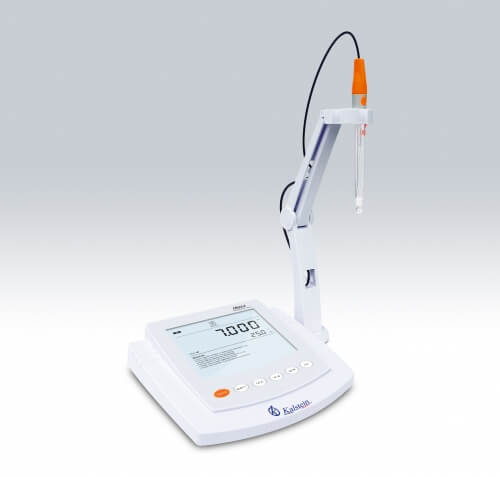
Table conductivity controllers, such as the YR01836-1 and YR01828, are designed to provide accurate measurements of conductivity, TDS, and salinity, which are critical parameters in many laboratory analyses. Investing in these units not only enhances measurement precision but also improves operational efficiency. By understanding the cost implications of using these controllers, laboratories can make informed decisions that optimize their budgeting and resource allocation.
Comparison of Available Models
| Model | CAPEX (USD) | Cost per Test | Payback (months) | Recommended Scenario |
|---|---|---|---|---|
| YR01836-1 | 355.00 | 1.50 | 10 | High-throughput labs requiring precise measurements |
| YR01836 | 199.00 | 0.80 | 7 | General-purpose labs with moderate testing needs |
| YR01829-1 | 160.00 | 1.00 | 8 | Small labs focused on routine tests |
| YR01829-2 | 235.00 | 0.90 | 9 | Versatile labs needing multiple calibration options |
| YR01829 | 285.00 | 1.20 | 11 | Labs needing advanced features and wireless capabilities |
| YR01828 | 232.00 | 1.10 | 9 | Analytical labs focusing on conductivity and TDS |
Common Mistakes and How to Avoid Them
Many laboratories overlook the significance of conducting a thorough ROI assessment before purchasing equipment. Common mistakes include failing to account for ongoing maintenance costs, neglecting to compare multiple models, and not analyzing the long-term savings from increased efficiency. To avoid these pitfalls, laboratories should establish a comprehensive cost analysis framework, utilize comparison tables like the one provided, and ensure they consider both CAPEX and the operational expenses associated with each model.
Evaluating Cost-Effectiveness: A Detailed Breakdown of Models
When assessing the cost-effectiveness of table conductivity controllers, it is essential to examine the features that influence their overall value. For example, the YR01836-1 offers automatic calibration and a broad pH range of -2.000 to 20.000 pH, making it ideal for rigorous applications. In contrast, the YR01836 provides a user-friendly interface and sufficient accuracy for routine tasks. Analyzing these features can help laboratories select the model that best aligns with their operational needs and budget constraints.
Calculating Payback Periods for Different Lab Scenarios
Calculating the payback period is crucial for understanding how long it will take for an investment in a table conductivity controller to become profitable. By estimating the cost per test and the anticipated increase in efficiency, laboratories can project their payback periods. For instance, if a lab spends $355 on the YR01836-1 and saves $35 per month in operational costs due to increased efficiency, the payback period would be approximately 10 months. Using similar calculations for other models can provide valuable insights into their financial viability.
Optimizing Laboratory Workflow with Conductivity Controllers
Table conductivity controllers can significantly optimize laboratory workflows through their accuracy and efficiency. Features such as automatic temperature compensation (ATC) and multiple calibration points allow for quicker and more reliable results. By implementing these devices, laboratories can reduce the time spent on testing and increase throughput, leading to better overall productivity and profitability. The YR01829, with its advanced capabilities, exemplifies how such devices can transform laboratory operations.
Frequently Asked Questions
What is the ROI of using a table conductivity controller in a laboratory?
The ROI of using a table conductivity controller can vary by model. For instance, the YR01836-1 has a CAPEX of $355 and can yield a payback period of approximately 10 months, depending on laboratory efficiency improvements.
How can I conduct a cost-benefit analysis for purchasing a conductivity meter?
To conduct a cost-benefit analysis for a conductivity meter, compare total costs (CAPEX, maintenance) against expected benefits (time savings, increased accuracy). For example, the YR01836 offers features that may significantly enhance testing accuracy and efficiency.
What factors should I consider for the cost-effectiveness of conductivity meters?
Key factors include initial cost, maintenance expenses, accuracy, and labor savings. Models like the YR01829-1 provide essential features that can lead to operational cost reductions, enhancing overall cost-effectiveness.
How do I determine the best conductivity controller for my laboratory's needs?
Assess your specific laboratory needs, including testing frequency and required features. For example, the YR01836 is ideal for general purposes, while the YR01828 suits analytical labs focused on TDS and conductivity.
Which table conductivity controller provides the best long-term savings?
The YR01836 offers long-term savings due to its robust features and reliability, making it suitable for high-throughput applications. Its higher initial cost may be offset by reduced operational costs over time.
What maintenance costs should I expect for table conductivity controllers?
Maintenance costs can vary by model but typically include calibration and sensor replacement. Models like the YR01829-2 may require less frequent maintenance due to their automatic calibration capabilities.
How can I improve the accuracy of my conductivity measurements?
Improving accuracy involves selecting the right model and ensuring proper calibration. The YR01836-1's multi-point calibration feature aids in achieving consistent and accurate results in various testing environments.
What is the average lifespan of a table conductivity controller?
The average lifespan of a table conductivity controller can range from 5 to 10 years, depending on usage and maintenance. Models like the YR01829 are built for durability and sustained performance.
If you are looking for a fusion of innovation and quality, you have come to the right place. At Kalstein, we offer you the luxury of exploring our exclusive catalog of laboratory equipment. We manufacture every device to the highest standards of excellence. Our intuitive and seamless online purchasing channels are designed for your convenience, securing the most competitive prices. Hesitate no longer — we bring science to life, it is time to become part of our community.