How to Evaluate ROI and Cost-Benefit Analysis for Tissue Flotation Devices
Tissue flotation is a critical process in pathological anatomy, particularly in histopathology, where preparing samples requires precision and efficiency. To ensure that laboratories can maintain competitiveness while managing budgets, understanding the return on investment (ROI) and conducting a thorough cost-benefit analysis is essential. This article examines various models of tissue flotation devices, highlights their strengths, and provides insights into maximizing operational efficiency.
Understanding the Importance of ROI and Cost-Benefit Analysis
In laboratory settings, ROI and cost-benefit analysis are crucial for making informed purchasing decisions. By evaluating these metrics, laboratories can assess not only the upfront costs but also ongoing expenses related to operation, maintenance, and consumables. A comprehensive analysis helps determine which tissue flotation device aligns best with the laboratory's long-term objectives, ensuring optimal use of financial resources.
Key Factors Influencing ROI in Tissue Flotation Devices
The ROI for tissue flotation devices can be influenced by several factors, including initial investment costs, operational efficiency, and the longevity of the equipment. For example, devices that offer lower energy consumption or reduce reagent waste can lead to significant savings over time. Furthermore, features that enhance productivity—such as faster turnaround times or reduced manual intervention—can also contribute positively to the ROI.
Analyzing Cost Structures: CAPEX vs OPEX
Understanding capital expenditure (CAPEX) and operational expenditure (OPEX) is essential when evaluating tissue flotation devices. CAPEX includes the initial purchase price, while OPEX covers the ongoing costs of running the device, such as maintenance and consumable materials. A well-rounded cost analysis should include both CAPEX and OPEX to provide a clearer financial picture.
Comparison of Available Models
| Model | Initial Price (USD) | Ongoing Costs (Monthly Estimate) | Payback Period (Months) | Best for |
|---|---|---|---|---|
| YR457-1 | 1200.00 | 100.00 | 12 | High volume labs |
| YR456 | 800.00 | 80.00 | 10 | Mid-sized labs |
| YR457 | 900.00 | 90.00 | 11 | Small to medium labs |
Evaluating the Features of Each Model
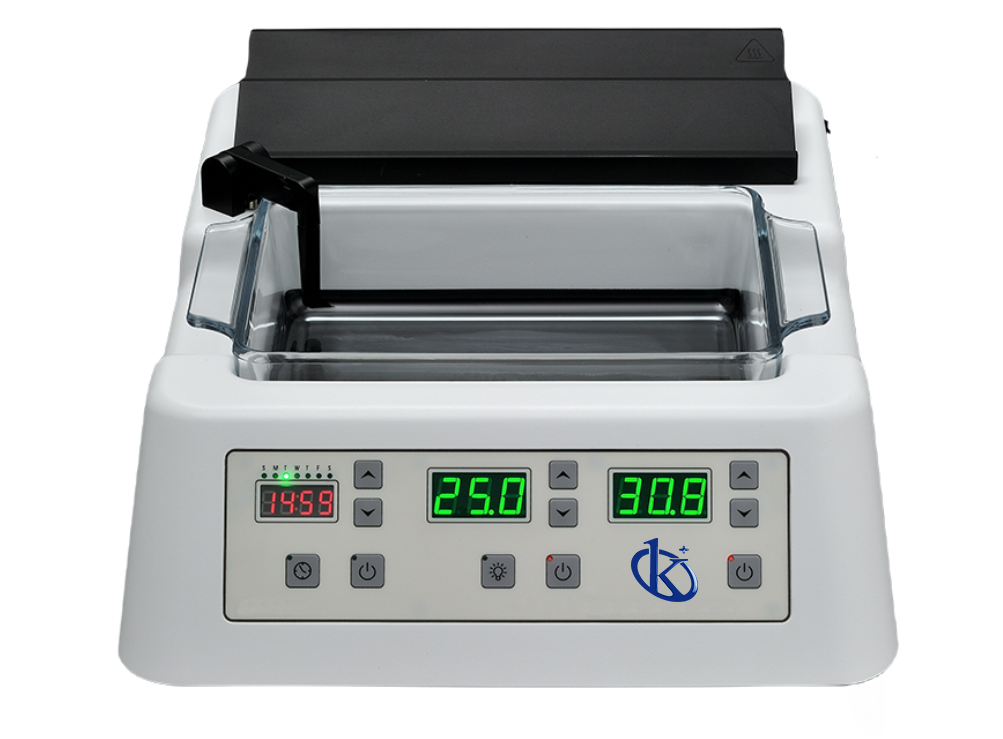
When it comes to selecting the best tissue flotation device, it is important to consider the specific features offered by each model. For instance, the YR457-1 is equipped with an automatic memory and restoration function that enhances user experience by storing temperature settings, while the YR456 features dual heating tanks that allow for simultaneous operation, maximizing throughput.
Operational Efficiency: How Each Model Contributes
Operational efficiency is a key element in ROI calculations. The YR457, with its precision temperature control, minimizes the risk of sample degradation, while the YR456 allows for easy monitoring of parameters through its digital display. Understanding how these efficiencies translate to improved output and reduced waste is vital for laboratories aiming to optimize their processes.
Common Mistakes and How to Avoid Them
One common mistake when selecting tissue flotation devices is underestimating the importance of ongoing costs. Laboratories may focus solely on the purchase price without considering maintenance and consumables, leading to unexpected expenditures. Additionally, neglecting to assess how well a model meets specific needs can result in poor performance and decreased ROI.
Frequently Asked Questions
What factors should I consider when calculating ROI for tissue flotation devices?
Key factors include initial purchase price, maintenance costs, and the efficiency of the device. For instance, the YR456 offers a lower price point at $800.00, which can contribute to a quicker ROI, especially if operational costs are effectively managed.
How can ongoing operational costs affect my ROI in tissue flotation?
Ongoing operational costs, including energy consumption and consumables, significantly impact ROI. Models such as the YR457 have features designed to minimize energy use, potentially reducing ongoing costs and improving overall return.
What is the payback period for the YR457-1 tissue flotation model?
The payback period for the YR457-1 model is approximately 12 months, based on a combination of its initial cost of $1200.00 and estimated ongoing monthly costs of around $100. This period can vary depending on lab usage and operational efficiencies.
Which tissue flotation device offers the best features for high-volume labs?
The YR457-1 is an ideal choice for high-volume labs due to its robust design and features such as automatic memory functions, which streamline operations and enhance throughput significantly.
How does the YR456 compare with the YR457 in terms of cost efficiency?
The YR456 costs $800.00, making it a more affordable option compared to the YR457 at $900.00. However, both models offer similar robustness, yet the YR456's dual tank feature can enhance efficiency for certain lab setups.
What role does temperature control play in tissue flotation ROI?
Temperature control is crucial in tissue flotation processes, as improper temperatures can lead to sample degradation. The YR457 model features precision temperature control, helping to ensure sample integrity and ultimately enhancing ROI.
Why is it important to avoid underestimating ongoing costs in laboratory equipment?
Underestimating ongoing costs can lead to budget shortfalls and reduced ROI. For example, both YR457-1 and YR456 have operational costs that need careful consideration to avoid overspending after the initial investment.
How can a cost-benefit analysis improve decision-making for lab equipment purchases?
A cost-benefit analysis provides a thorough understanding of all potential expenses and savings, which is vital for making informed decisions. By comparing models like the YR457-1 and YR456, labs can align their purchases with long-term operational goals.
If you are looking for a fusion of innovation and quality, you have come to the right place. At Kalstein, we offer you the luxury of exploring our exclusive catalog of laboratory equipment. We manufacture every device to the highest standards of excellence. Our intuitive and seamless online purchasing channels are designed for your convenience, securing the most competitive prices. Hesitate no longer — we bring science to life, it is time to become part of our community.