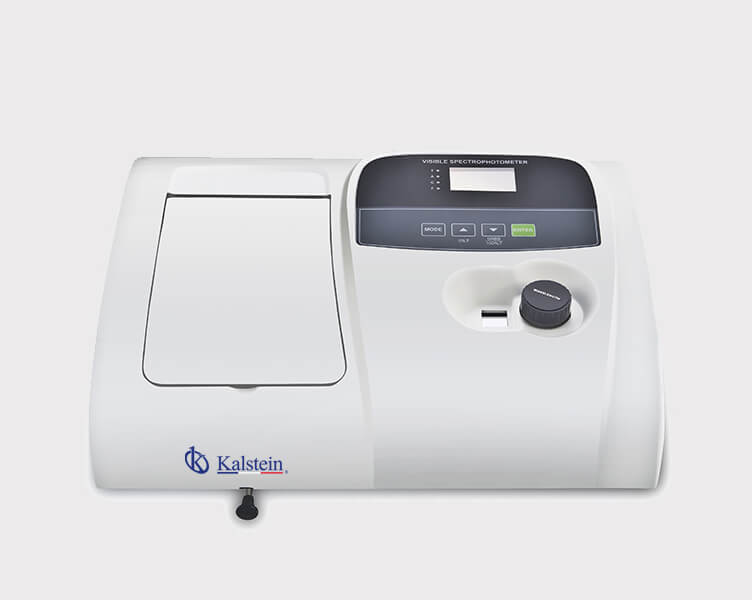
ROI and Cost-Benefit Analysis for Unique Beam Spectrophotometers
Unique beam spectrophotometers are indispensable tools in laboratories, enabling precise measurements for various applications. Understanding the return on investment (ROI) and conducting cost-benefit analysis is crucial for laboratory managers seeking to optimize their operations. This article will explore how to evaluate unique beam spectrophotometers, focusing on key models, their features, and their economic viability.
Understanding the Importance of ROI and Cost-Benefit Analysis
The significance of ROI and cost-benefit analysis in laboratory equipment selection cannot be overstated. These analyses help determine the financial viability of an investment, guiding decision-makers in selecting spectrophotometers that align with their operational goals and budget constraints. By calculating expected returns against initial investment costs, laboratories can make informed decisions that enhance efficiency and productivity.
Comparison of Available Models
| Model | CAPEX (USD) | Cost per Test (USD) | Payback (Months) | Recommended Scenario |
|---|---|---|---|---|
| YR01844 | 330.00 | 0.50 | 6 | Small labs with moderate testing needs |
| YR01845 | 530.00 | 0.60 | 8 | Medium labs requiring standard curves |
| YR01846 | 690.00 | 0.40 | 5 | High-precision testing environments |
| YR01847 | 840.00 | 0.35 | 4 | Advanced research laboratories |
| YR01850 | 790.00 | 0.45 | 7 | General-purpose labs with diverse needs |
| YR01853 | 1630.00 | 0.30 | 3 | High-throughput laboratories |
Key Factors Influencing ROI for Unique Beam Spectrophotometers
When evaluating ROI, several factors come into play:
- Initial Cost: The upfront purchase price, such as the $330.00 for the YR01844, heavily influences the total ROI.
- Operational Efficiency: Equipment that increases throughput, like the YR01853, can significantly lower the cost per test.
- Durability and Maintenance: Regular calibration and maintenance impact long-term costs, affecting overall ROI.
- Utilization Rate: More frequently used equipment delivers better ROI through higher output versus investment.
Calculating Cost per Test for Unique Beam Spectrophotometers
Understanding the cost per test is essential for budget management. The cost per test can be calculated as:
Cost per Test = (Total Operating Costs) / (Number of Tests Conducted)
For example, a laboratory utilizing the YR01846 for 1,500 tests per year might incur $276.00 in annual operating costs (including consumables and maintenance), resulting in a cost per test of approximately $0.18.
Common Mistakes and How to Avoid Them
Laboratory managers often face pitfalls during the evaluation and procurement process for spectrophotometers. Here are common mistakes and recommendations:
- Ignoring Total Cost of Ownership: Focus on CAPEX alone can lead to poor investment choices. Always consider OPEX in your analysis.
- Underestimating Training Costs: Ensure that staff is adequately trained to utilize complex instruments effectively, such as the YR01850.
- Neglecting Long-Term Needs: Choose models that not only fit current demands but can also scale with anticipated laboratory growth.
Best Practices for Maximizing ROI
To ensure that your investment in unique beam spectrophotometers yields the best returns, consider the following best practices:
- Regular Calibration: Maintain instruments like the YR01847 for precise results, aiding quality assurance and reducing rework.
- Implementing Automation: Automate processes where possible to increase throughput and reduce labor costs associated with manual testing.
- Data Management Integration: Utilize software solutions to track performance metrics and streamline operations, enhancing overall efficiency.
Energy Consumption and Sustainability Considerations
In today's environmentally conscious landscape, laboratories must evaluate energy consumption metrics. Unique beam spectrophotometers vary significantly in energy requirements:
| Model | Power Consumption (kWh) | Energy Rating |
|---|---|---|
| YR01844 | 0.1 | Standard |
| YR01845 | 0.15 | Standard |
| YR01846 | 0.08 | High Efficiency |
| YR01847 | 0.09 | High Efficiency |
| YR01850 | 0.12 | Standard |
| YR01853 | 0.2 | Energy Efficient |
Choosing energy-efficient models, like the YR01846, can lead to significant cost savings over time while contributing to sustainability efforts.
Frequently Asked Questions
What is the ROI for using the YR01850 unique beam spectrophotometer?
The ROI for the YR01850 can be calculated based on its purchase price of $790.00 and the estimated annual operating costs. Depending on usage, the payback period can be around 7 months, making it a solid investment for general-purpose labs.
How does the YR01846 spectrophotometer reduce operational costs?
The YR01846, with its automatic wavelength adjustment, enhances operational efficiency, reducing the average cost per test to approximately $0.40. This feature minimizes errors and streamlines lab procedures.
What factors affect the cost per test for unique beam spectrophotometers?
Key factors influencing the cost per test include equipment maintenance, consumable costs, and operational efficiency. For instance, the YR01853 has a lower cost per test due to its high throughput capability.
How does energy efficiency impact ROI in unique beam spectrophotometers?
Energy-efficient models, like the YR01846, consume less power (0.08 kWh), resulting in lower operational costs, positively affecting the overall ROI by improving long-term savings.
What maintenance practices optimize the performance of unique beam spectrophotometers?
Regular calibration and proper cleaning are essential for maintaining performance. For example, routine checks on the YR01847 can prevent costly errors and downtime, maximizing ROI.
How to select the best unique beam spectrophotometer for my laboratory needs?
Consider your laboratory's testing volume, required precision, and budget. Models like the YR01853 are ideal for high-throughput needs, while YR01844 suits smaller labs with moderate demands.
What are the common mistakes when investing in unique beam spectrophotometers?
Common mistakes include focusing solely on initial costs without considering total cost of ownership or neglecting to train staff adequately. Investing in training and considering models like the YR01850 will yield better long-term results.
What is the expected lifespan of unique beam spectrophotometers?
Typically, unique beam spectrophotometers can last 5-10 years with proper maintenance. Investing in models known for durability, such as the YR01847, can ensure longevity and reliability.
If you are looking for a fusion of innovation and quality, you have come to the right place. At Kalstein, we offer you the luxury of exploring our exclusive catalog of laboratory equipment. We manufacture every device to the highest standards of excellence. Our intuitive and seamless online purchasing channels are designed for your convenience, securing the most competitive prices. Hesitate no longer — we bring science to life, it is time to become part of our community.