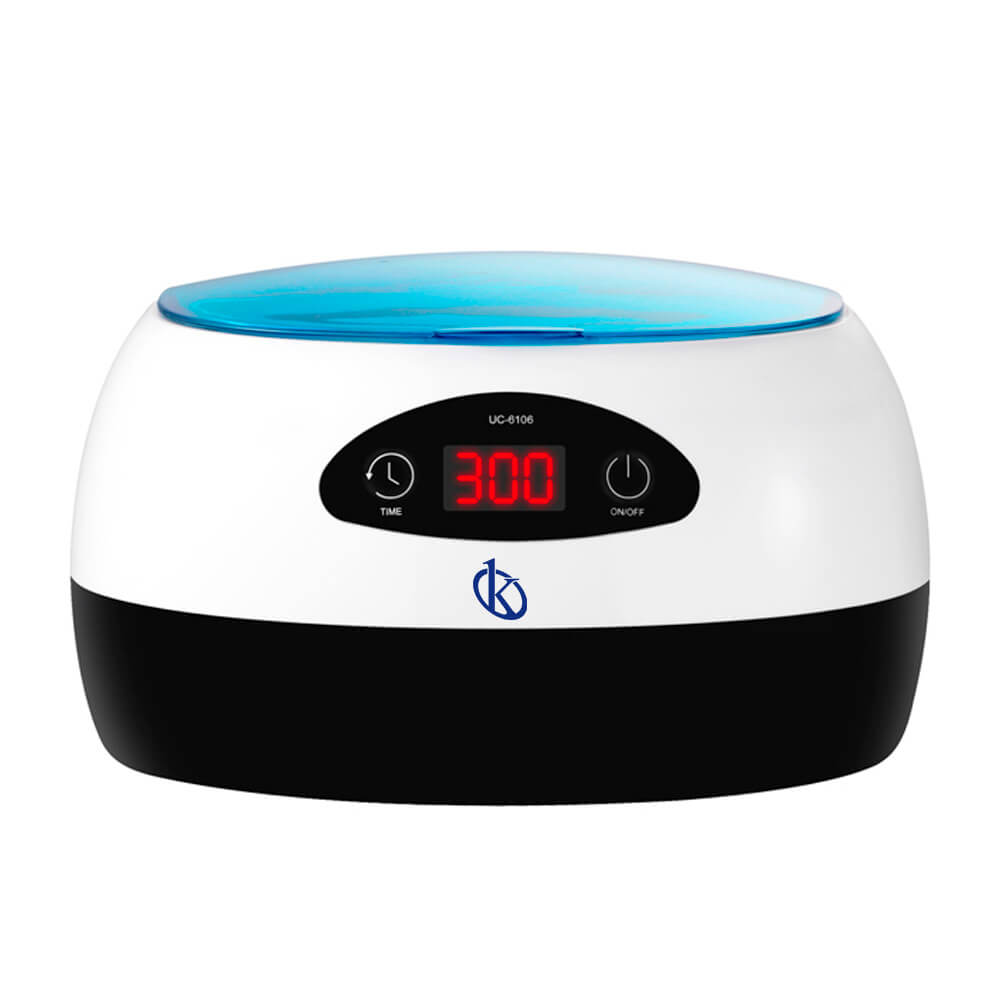
Understanding ROI and Cost-Benefit Analysis for Digital Desktop Ultrasonic Cleaners
Digital desktop ultrasonic cleaners are essential tools in laboratories and clinical settings, providing effective cleaning for various instruments and jewelry. As an investment in laboratory efficiency, understanding the return on investment (ROI) and conducting a thorough cost-benefit analysis for these devices is crucial. This article examines multiple models within this subcategory to guide laboratory professionals in making informed decisions.
ROI and Cost-Benefit Perspective
When selecting a digital desktop ultrasonic cleaner, laboratory professionals must assess both the financial implications and the operational advantages these devices bring. ROI refers to the financial return on the investment made in acquiring the cleaner, while cost-benefit analysis evaluates whether the benefits provided by the cleaner justify its costs over time. Key factors to consider include initial cost, maintenance expenses, efficiency improvements, and longevity.
Key Factors Influencing ROI
1. **Initial Investment:** The upfront cost of the ultrasonic cleaner can vary greatly between models. For instance, the YR05231 model is priced at $16.20, while the YR05230 is $41.20. Understanding these price differences is essential for budgeting.
2. **Operational Costs:** This includes energy consumption and any consumables required for the ultrasonic cleaning process. Models like the YR05232 with a power rating of 60W may incur higher energy costs over time compared to models with lower wattage.
3. **Time Savings:** Efficient cleaning can significantly reduce downtime. For example, a cleaner like the YR05230 can accommodate larger loads, leading to quicker turnaround times for equipment sterilization.
4. **Durability and Longevity:** Investing in a reliable model ensures fewer replacements and repairs, enhancing the overall ROI. The YR05229 model’s design promotes durability, making it a suitable choice for extended use.
Comparative Cost-Benefit Analysis of Models
| Model | Initial Cost (USD) | Cleaning Capacity (L) | Power (W) | Payback Period (months) |
|---|---|---|---|---|
| YR05231 | 16.20 | 0.75 | 50 | 6 |
| YR05232 | 32.40 | 1.4 | 60 | 8 |
| YR05229 | 15.60 | 0.6 | 50 | 5 |
| YR05230 | 41.20 | 2.5 | 60 | 10 |
Common Mistakes and How to Avoid Them
Laboratory professionals often make common mistakes when selecting ultrasonic cleaners. Here are a few to avoid:
- Ignoring Total Cost of Ownership: Focus on not just the purchase price but also maintenance, energy costs, and consumables.
- Underestimating Cleaning Needs: Choose a model based on the specific cleaning volume required. For instance, the YR05230 is better suited for high-volume cleaning.
- Overlooking Model Features: Evaluate features like timer settings and frequency options which can optimize cleaning efficiency.
Comparison of Available Models
| Model | Tank Capacity (L) | Power (W) | Best For |
|---|---|---|---|
| YR05231 | 0.75 | 50 | Jewelry cleaning |
| YR05232 | 1.4 | 60 | Jewelry and delicate items |
| YR05229 | 0.6 | 50 | Lens cleaning and small items |
| YR05230 | 2.5 | 60 | Dental and jewelry cleaning |
Addressing Energy Consumption in Ultrasonic Cleaners
Energy consumption is a significant factor in the overall cost and efficiency of ultrasonic cleaners. The operational wattage of each model directly affects electricity costs. For example, while YR05231 operates at 50W, YR05232 uses 60W, which could lead to higher utility bills over time.
Moreover, the cleaning duration impacts energy use; setting the timer correctly can optimize efficiency. A model like YR05230, which accommodates larger loads, can help in reducing the number of cycles needed, thus saving energy in the long run.
Frequently Asked Questions
What is the average ROI for digital desktop ultrasonic cleaners in laboratory settings?
The average ROI for digital desktop ultrasonic cleaners typically ranges between 20% to 40%, depending on usage frequency and operational costs. For instance, a model like YR05230, which caters to high-volume cleaning, may yield higher returns due to its efficiency.
How do I calculate the cost-benefit analysis for ultrasonic cleaner models?
To calculate the cost-benefit analysis, consider the initial model cost, operational costs, and the time saved in cleaning. For example, the YR05232 offers a cost-effective solution with a higher tank capacity, thus maximizing cleaning efficiency compared to its price.
Which ultrasonic cleaner model offers the best power consumption efficiency?
The YR05231 model, operating at 50W, provides a balance between power consumption and effective cleaning. Its lower power requirement makes it an efficient choice for regular laboratory use.
What are the maintenance costs associated with ultrasonic cleaners?
Maintenance costs typically include periodic servicing and potential replacement of worn parts. Models like YR05230, designed for durability, may incur lower maintenance costs, making them a cost-effective choice over time.
How long does it take to recoup the investment in an ultrasonic cleaner?
Investment recoup time can vary, but it generally ranges from 5 to 10 months for efficient models. For instance, the YR05229 can offer a quicker return due to its affordability and effective cleaning capabilities.
Which features should I look for in a digital desktop ultrasonic cleaner?
Essential features include adjustable time settings, tank capacity, and power efficiency. Models like YR05230 provide larger tank sizes and customizable settings, catering to diverse cleaning needs.
What are the advantages of digital desktop ultrasonic cleaners over traditional cleaning methods?
Digital desktop ultrasonic cleaners offer enhanced efficiency, deeper cleaning, and reduced labor costs compared to traditional cleaning methods. For example, the YR05232 excels in cleaning intricate items that require a more thorough approach.
How do different ultrasonic frequencies affect cleaning performance?
Different ultrasonic frequencies can affect cleaning performance, with higher frequencies typically providing gentler cleaning. For instance, the YR05232 uses a frequency of 40KHz, making it ideal for delicate items without damaging them.
If you are looking for a fusion of innovation and quality, you have come to the right place. At Kalstein, we offer you the luxury of exploring our exclusive catalog of laboratory equipment. We manufacture every device to the highest standards of excellence. Our intuitive and seamless online purchasing channels are designed for your convenience, securing the most competitive prices. Hesitate no longer — we bring science to life, it is time to become part of our community.