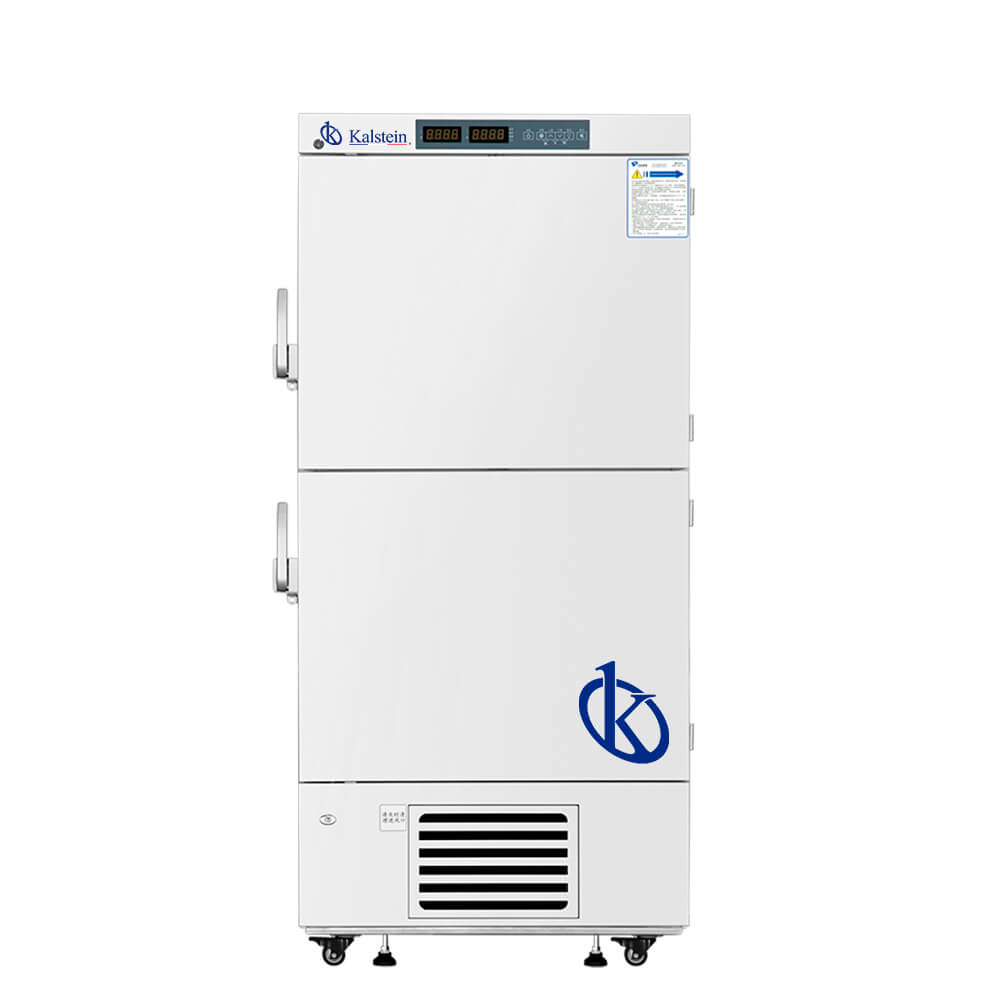
Maximizing ROI and Cost-Benefit Analysis for Low Temperature Freezers in Laboratories
In laboratory settings, ensuring the longevity and effectiveness of samples is crucial. Low temperature freezers are vital in this aspect, particularly for preserving sensitive materials. However, the financial considerations surrounding the acquisition and operation of these freezers often require thorough analysis. This article delves into maximizing return on investment (ROI) and a comprehensive cost-benefit analysis relevant to low temperature freezers.
Understanding the Importance of ROI and Cost-Benefit Analysis in Laboratories
Return on investment (ROI) and cost-benefit analysis are essential for laboratory managers to evaluate the financial viability of equipment purchases. Low temperature freezers, while capital-intensive, can be justified through the value they provide in sample preservation and operational efficiency.
ROI calculations allow laboratories to measure the profitability of their investments, while cost-benefit analysis helps in comparing the expected benefits against the associated costs over the equipment's lifespan. Approaching these evaluations strategically will lead to informed decisions on whether to invest in high-quality low temperature freezers.
Key Factors Influencing ROI for Low Temperature Freezers
Several factors influence the ROI of low temperature freezers, including initial costs, operational expenses, reliability, energy efficiency, and the potential for sample loss.
Initial Costs
Initial investment includes not just purchase price, but also installation and setup expenses. Choosing cost-effective models while ensuring quality can enhance ROI.
Operational Expenses
Energy costs, maintenance, and staffing related to freezer management are essential to consider. More energy-efficient models minimize these costs significantly over time.
Comparative Analysis of Low Temperature Freezer Models
To illustrate ROI and cost benefits, we compare three models of low temperature freezers based on their specifications and performance. This comparison will aid laboratories in selecting the model that best meets their financial criteria while ensuring sample integrity.
| Model | Initial Cost (USD) | Temperature Range (°C) | Energy Consumption (kWh/24h) | Best Use Case |
|---|---|---|---|---|
| YR05100 | 1830.00 | -20 to -40 | 6.7 | General laboratory use with adjustable shelves for varied sample sizes. |
| YR05309 | 1620.00 | -20 to -40 | 5.5 | Medical supplies storage with multiple alarms for improved reliability. |
| YR05311 | 1360.00 | -10 to -25 | 300 | Laboratory applications requiring flexible drawer configurations. |
Common Mistakes and How to Avoid Them
Laboratories often make critical errors in their approach to selecting low temperature freezers, which can lead to poor ROI. Below are some common mistakes and strategies for avoiding them:
Overlooking Energy Efficiency
Selecting a model without considering energy consumption can lead to higher operating costs. Models like YR05309 with lower energy consumption should be prioritized.
Neglecting Maintenance Costs
Failing to account for routine maintenance can skew ROI assessments. Ensure that maintenance accessibility and costs are factored into your analysis.
Frequently Asked Questions
What is the typical ROI for low temperature freezers in laboratory settings?
The ROI for low temperature freezers can vary, but investing in models like YR05100 can yield significant savings on sample loss prevention and energy costs over time. A comprehensive analysis should determine specific financial metrics.
How do energy costs affect the ROI of low temperature freezers?
Energy consumption plays a critical role in the overall operational costs. For example, YR05309, with its lower energy consumption of 5.5 kWh, can enhance ROI by reducing monthly energy bills.
Which low temperature freezer model offers the best value for laboratories?
The YR05311 model, priced at $1360.00, offers excellent value with flexible storage options, making it ideal for various laboratory applications while maintaining sample integrity.
How can I calculate the payback period for my freezer investment?
To calculate the payback period, divide the initial investment by the annual savings from energy costs and sample preservation. For example, if using the YR05100, assess both operational savings and potential sample loss costs.
What maintenance factors should I consider for low temperature freezers?
Regular maintenance checks, including temperature calibration and system inspections, are vital. Models like YR05309 feature alerts that help monitor system health, ensuring optimal performance and longevity.
What are the risks of investing in a low-quality freezer model?
Investing in low-quality models may lead to increased sample loss and higher operating costs due to inefficiency. Choosing trusted models like YR05311 can mitigate these risks significantly.
How do low temperature freezers contribute to laboratory efficiency?
Low temperature freezers, such as YR05100, ensure proper sample preservation, minimizing the risk of degradation. This boosts laboratory productivity by maintaining sample integrity for research and testing.
How can I optimize the cost-benefit analysis for my laboratory's freezer purchase?
To optimize your analysis, assess both direct costs and long-term savings, including energy efficiency and maintenance. Selecting models like YR05309 with built-in alarms can enhance reliability and reduce unexpected costs.
If you are looking for a fusion of innovation and quality, you have come to the right place. At Kalstein, we offer you the luxury of exploring our exclusive catalog of laboratory equipment. We manufacture every device to the highest standards of excellence. Our intuitive and seamless online purchasing channels are designed for your convenience, securing the most competitive prices. Hesitate no longer — we bring science to life, it is time to become part of our community.