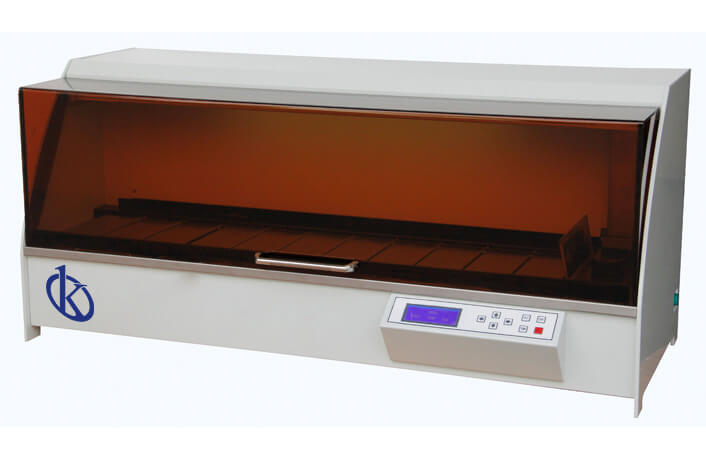
Understanding ROI and Cost-Benefit Analysis for Tissue Processors
Tissue processors are integral to the workflow in pathology labs, impacting both operational efficiency and financial performance. This article delves into the return on investment (ROI) and cost-benefit analysis of various models of tissue processors, providing laboratory professionals with valuable insights for making informed purchasing decisions.
Evaluating ROI in Tissue Processing
When analyzing the ROI of tissue processors, consider both direct and indirect costs associated with their usage. Direct costs include the initial purchase price, maintenance, and consumables, while indirect costs may encompass labor and overhead. Understanding these variables can significantly impact the total cost of ownership.
A detailed ROI analysis for tissue processors typically involves calculating the payback period, which indicates how long it will take for the savings generated by the equipment to cover its costs. For example, the Automated Fabric Processor YR431-1, with a cost of $11,000, can process up to 130 specimens at once, making it suitable for larger labs.
Cost-Benefit Analysis: Key Factors
The cost-benefit analysis for tissue processors requires examining various performance metrics, including processing capacity, time efficiency, and operational costs. The Fabric Processor (Small) YR427, priced at $2,600, is designed for smaller labs, offering a compact solution with 12 cups and adjustable processing times.
In contrast, the Automated Fabric Processor YR429, which costs $3,300, supports up to 80 specimens per batch. By comparing these models, labs can assess which processor provides the best value based on their operational scale and workflow.
Comparison of Available Models
| Model | CAPEX (USD) | Cost per Test | Payback Period (months) | Recommended Scenario |
|---|---|---|---|---|
| YR431-1 | 11000 | Variable based on consumables | 12 | Large labs with high specimen throughput |
| YR436-2 | 4400 | Variable based on consumables | 10 | Budget-conscious labs |
| YR427 | 2600 | Variable based on consumables | 8 | Small labs needing efficient space usage |
| YR428 | 2900 | Variable based on consumables | 9 | Medium labs focused on quality |
| YR429 | 3300 | Variable based on consumables | 11 | Medium labs with moderate throughput |
| YR431 | 4000 | Variable based on consumables | 10 | Large labs needing high reliability |
Common Mistakes and How to Avoid Them
One common mistake when selecting a tissue processor is failing to assess the specific needs of the laboratory. Each model, like the Automated Fabric Processor YR428, may suit different operational requirements. It is crucial to match the processor's capabilities with the lab's specimen volume and type.
Another pitfall is neglecting to factor in ongoing operational costs, such as consumables and maintenance. For instance, while the Fabric Processor (Small) YR427 offers a lower initial investment, the cost per test could be higher without proper planning of reagent use.
Frequently Asked Questions
What is the expected ROI for YR431-1 based tissue processors in a high-throughput lab?
The Automated Fabric Processor YR431-1 typically shows a payback period of around 12 months in high-throughput laboratories due to its capacity to handle 130 specimens efficiently, translating to significant savings on labor and consumables.
How can I evaluate the cost-effectiveness of the YR427 for smaller laboratories?
The Fabric Processor (Small) YR427 is cost-effective for smaller labs, with a price of $2,600 and low operational costs, making it suitable for those with limited budgets while still needing reliable performance.
What maintenance costs should be considered for the YR429 tissue processor?
For the Automated Fabric Processor YR429, regular maintenance costs should include periodic calibration and parts replacement, which can add up to approximately $300 annually, depending on usage and lab conditions.
How does the YR431-1 compare to other models in terms of processing speed?
The Automated Fabric Processor YR431-1 offers superior processing speed, handling up to 130 specimens at a time, which is significantly higher than other models like YR427, ensuring labs meet their throughput demands effectively.
What factors influence the cost per test for tissue processors?
The cost per test for tissue processors like the YR436-2 is influenced by consumable costs, maintenance, and operational efficiency. For instance, higher reagent utilization can increase overall costs, impacting the lab's budget.
How can ROI be maximized with tissue processors?
Maximizing ROI with models like YR429 involves optimizing operational efficiency through effective reagent management and staff training, ensuring that the processor is used to its full potential without unnecessary waste.
What specifications should I prioritize in a tissue processor for academic research?
When selecting a tissue processor like the Automated Fabric Processor YR428 for academic research, prioritize specifications such as processing time, capacity, and ease of operation to ensure reproducibility and efficiency for student projects.
What are the key benefits of investing in a high-end model like YR431?
Investing in a high-end model like the Automated Fabric Processor YR431 offers benefits such as greater specimen capacity, advanced temperature control, and enhanced durability, leading to lower downtime and higher overall productivity in the lab.
If you are looking for a fusion of innovation and quality, you have come to the right place. At Kalstein, we offer you the luxury of exploring our exclusive catalog of laboratory equipment. We manufacture every device to the highest standards of excellence. Our intuitive and seamless online purchasing channels are designed for your convenience, securing the most competitive prices. Hesitate no longer — we bring science to life, it is time to become part of our community.