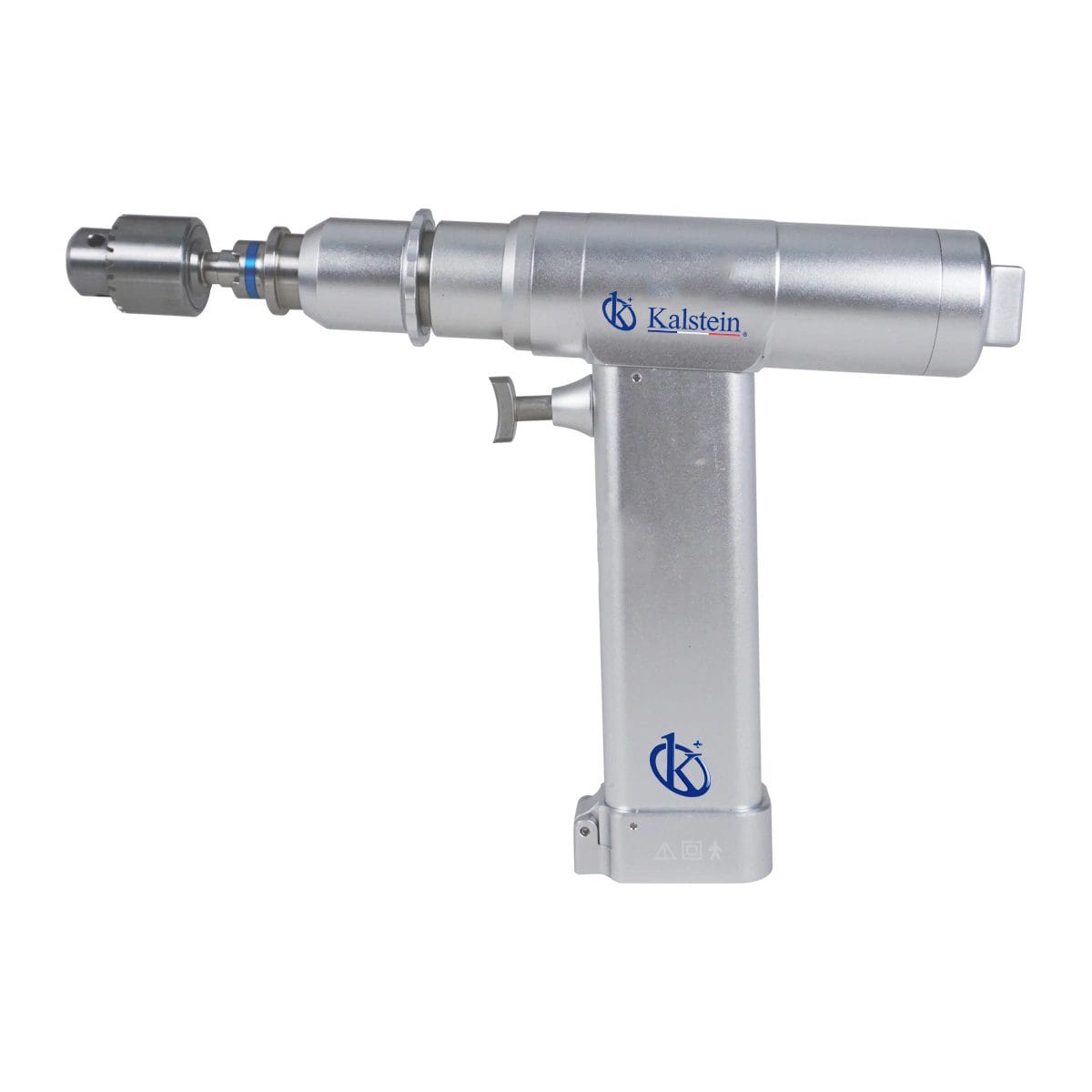
Understanding ROI and Cost-Benefit Analysis for Veterinary Surgical Tools
Veterinary surgical tools are critical in any veterinary practice, and understanding their cost-effectiveness is essential for enhancing operational efficiency. This article provides a comprehensive analysis of the return on investment (ROI) and cost-benefit metrics for various surgical tools used in veterinary surgeries. By comparing multiple models, laboratory professionals can make informed decisions that align with budgetary constraints without compromising quality or performance.
ROI and Cost-Benefit Overview for Veterinary Surgical Tools
Return on investment (ROI) is a performance measure used to evaluate the efficiency of an investment. In the context of veterinary surgical tools, it helps determine the profitability of purchasing and using these tools against their costs. Cost-benefit analysis (CBA) complements this by comparing the costs of tools to their benefits, thus aiding in decision-making processes. Understanding these metrics is crucial for maximizing the effectiveness of veterinary surgical procedures and improving overall operational efficiency.
Factors Affecting ROI in Veterinary Surgical Tools
Several factors influence the ROI of veterinary surgical tools, including:
- Initial Investment: The purchase price of surgical tools, which varies among models.
- Operational Costs: Ongoing expenses such as maintenance, energy consumption, and consumables.
- Utilization Rate: Frequency of use directly impacts the overall value obtained from the tools.
- Training and Skill Levels: Skilled personnel can optimize the use and lifespan of surgical tools.
- Patient Outcomes: Improved surgical outcomes can lead to increased client satisfaction and repeat business.
Quantitative Breakdown of ROI
To effectively measure the ROI of veterinary surgical tools, it’s essential to create a quantitative framework. Below is a sample table highlighting key metrics for assessment:
| Model | Initial Investment (USD) | Annual Operational Costs (USD) | Expected Lifespan (Years) | Estimated Annual Revenue Impact (USD) |
|---|---|---|---|---|
| YR06126 | 3100.00 | 600.00 | 5 | 5000.00 |
| YR06127 | 1300.00 | 300.00 | 4 | 3000.00 |
| YR06128 | 1200.00 | 250.00 | 3 | 4000.00 |
Comparison of Available Models
| Model | Initial Investment (USD) | Annual Operational Costs (USD) | Expected Lifespan (Years) | Best For |
|---|---|---|---|---|
| YR06126 | 3100.00 | 600.00 | 5 | Joint Surgery, Neuro Surgery |
| YR06127 | 1300.00 | 300.00 | 4 | Small Animal Surgeries |
| YR06128 | 1200.00 | 250.00 | 3 | TPLO Procedures |
Common Mistakes and How to Avoid Them
When evaluating veterinary surgical tools based on ROI and cost-benefit analysis, common mistakes include:
- Not Considering Total Costs: It's important to consider not only the purchase price but also operational, maintenance, and training costs.
- Ignoring Utilization Rates: Tools should be selected based on expected usage to maximize ROI.
- Failure to Track Performance Metrics: Regularly monitoring the performance of surgical tools can help identify areas for improvement.
- Neglecting to Train Staff: Proper training enhances the effectiveness of tools, thereby improving outcomes and maximizing ROI.
Frequently Asked Questions
How can I calculate the ROI for my veterinary surgical tools?
To calculate ROI for veterinary surgical tools like the YR06126, consider the total gains from the tool minus its total costs, divided by the total costs, expressed as a percentage. This allows you to assess how effectively the tool has generated revenue relative to its cost.
What are the typical operational costs of veterinary surgical tools?
Operational costs for surgical tools, such as the YR06127, typically include maintenance, consumables, and energy costs. For instance, the YR06127 has annual operational costs estimated at around $300, which directly impacts its ROI.
Which veterinary surgical tool offers the best value for small animal surgeries?
The YR06127 is highly efficient for small animal surgeries and offers a good balance between initial investment and operational efficiency, making it an optimal choice for practices focused on small animal care.
How do I determine the best surgical tool for TPLO procedures?
For TPLO (Tibial Plateau Leveling Osteotomy) procedures, the YR06128 is specifically designed, offering tailored features that enhance surgical precision and safety, thus providing excellent ROI for veterinary practices focusing on this type of surgery.
What role does staff training play in maximizing the ROI of surgical tools?
Staff training is crucial in maximizing ROI for tools like the YR06126. Well-trained personnel can operate tools more efficiently, reduce errors, and enhance surgical outcomes, leading to better patient care and financial returns.
How can I improve the cost-effectiveness of my veterinary surgical tools?
Improving cost-effectiveness involves evaluating the ongoing operational costs, ensuring regular maintenance, and selecting tools like the YR06127 that provide versatility and ease of use, thus maximizing their value to the practice.
How frequently should I assess the ROI of my veterinary surgical tools?
It is advisable to assess the ROI of surgical tools at least annually to ensure they continue to meet performance expectations and remain a financially sound investment for your veterinary practice.
What are the main benefits of using multifunctional surgical tools in veterinary practices?
Multifunctional surgical tools, such as the YR06126, provide a range of applications in one device, reducing the need for multiple tools, lowering overall costs, and improving surgical efficiency, thus enhancing ROI for veterinary practices.
If you are looking for a fusion of innovation and quality, you have come to the right place. At Kalstein, we offer you the luxury of exploring our exclusive catalog of laboratory equipment. We manufacture every device to the highest standards of excellence. Our intuitive and seamless online purchasing channels are designed for your convenience, securing the most competitive prices. Hesitate no longer — we bring science to life, it is time to become part of our community.