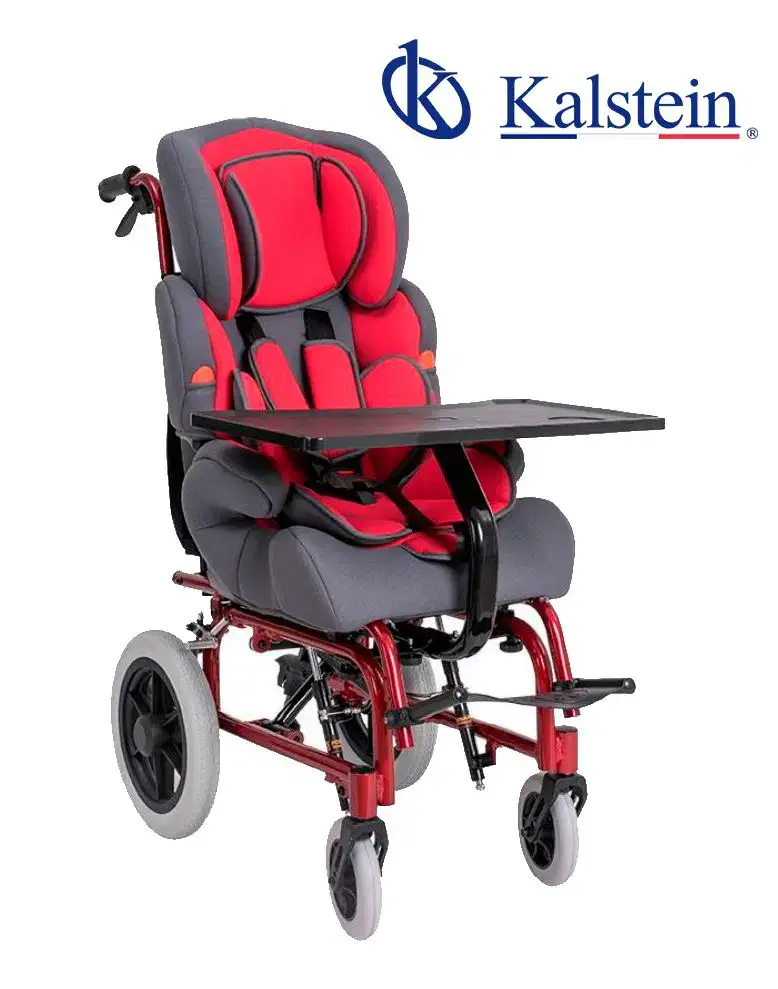
How to Ensure Safe Operator Protocols in Children's Wheelchairs
Ensuring safety in the use of children's wheelchairs is paramount for both the operators and the children using them. Understanding how to manage these devices effectively while adhering to safety protocols enhances the experience and minimizes risks. This article delves into the essential safety protocols and best practices for handling children's wheelchairs, focusing on operator safety and compliance.
Overview of Children's Wheelchairs and Safety Protocols
Children's wheelchairs are specialized mobility aids designed to provide support and independence for children with mobility challenges. However, the operation of these devices entails specific responsibilities and safety measures. Operators must be knowledgeable about biosecurity protocols to ensure the safety and well-being of their young users. This section outlines the critical safety measures that should be followed when operating children's wheelchairs.
Understanding Biosecurity Protocols
Biosecurity protocols are essential for protecting operators and users from potential hazards. In the context of children's wheelchairs, these protocols involve proper sanitation, equipment checks, and handling practices. Ensuring that wheelchairs are regularly cleaned and maintained can prevent the spread of infections and ensure the device's reliability.
Regular Cleaning and Maintenance
Wheelchairs should be cleaned after each use, particularly components that come into contact with bodily fluids or saliva. Operators should use appropriate disinfectants as per manufacturer guidelines to maintain hygiene. Regular maintenance checks on wheels, brakes, and seating adjustments are also crucial to ensure functionality and safety.
Operator Training and Awareness
Training for operators is vital to ensure they are well-versed in biosecurity protocols and safe handling practices. Training programs should include instruction on how to properly maneuver the wheelchair, adjust seating, and secure safety belts. Operators must also be aware of specific needs for each child, as mobility requirements may vary greatly.
Comparison of Available Models
| Model | Weight Capacity (kg) | Seat Width (cm) | Seat Depth (cm) | Best Use |
|---|---|---|---|---|
| YR05459 | 75 | 30 | 39 | General mobility |
| YR05460 | 75 | 42 | 35 | General mobility |
| YR05457 | 100 | 38 | 39 | Sturdy support |
| YR05458 | 100 | 38 | 39 | Sturdy support |
| YR06611 | 75 | 34 | 33 | Children with Cerebral Palsy |
Common Mistakes and How to Avoid Them
Operators often make common mistakes that can jeopardize safety. Some typical errors include neglecting equipment checks, failing to secure safety belts properly, and moving the wheelchair without proper awareness of surroundings. To avoid these pitfalls, operators should follow a checklist before each use, including checking brakes, ensuring the seating is secure, and confirming that the child is properly secured.
Specific Safety Features in Children's Wheelchairs
Each model of children's wheelchair comes with specific safety features designed to enhance protection. For example, the YR05459 features an adjustable backrest angle and a secure butterfly seat belt, which promotes comfort and safety. The YR06611, specifically designed for children with cerebral palsy, includes a reclining backrest that allows for better positioning and comfort.
Emergency Protocols and Contingency Plans
Operators should be trained in emergency protocols for situations like wheelchair malfunctions or sudden medical needs. Creating a contingency plan involves understanding the immediate steps to take during these emergencies, such as knowing how to manually stop a wheelchair and seek assistance appropriately.
Frequently Asked Questions
What are the essential safety protocols for children's wheelchairs?
Essential safety protocols for children's wheelchairs include regular cleaning, proper maintenance checks, and thorough operator training. For example, the YR05457 model requires a comprehensive pre-use checklist to assess safety features effectively.
How can operator training improve safety in children's wheelchair usage?
Operator training enhances safety by ensuring that each user understands how to maneuver the wheelchair properly, recognize maintenance needs, and secure children safely. Training on models like YR06611, which requires specialized handling, is crucial for safe operation.
Which features should I look for in a safe children's wheelchair?
Look for features such as secure seat belts, adjustable backrests, and robust frames. The YR05460 model includes an adjustable seat depth, making it versatile for different body sizes while maintaining safety.
What protocols ensure biosecurity in children's wheelchair management?
Biosecurity protocols include regular sanitation of wheelchairs and the use of disinfectants. Following these protocols helps keep children safe from infections when using wheelchairs like the YR05459 and YR05458.
How can I assess the weight capacity for children's wheelchairs?
Assess weight capacity by reviewing the manufacturer's specifications. For instance, both the YR05457 and YR05458 support up to 100 kg, making them suitable for various users, ensuring safe usage.
What are the consequences of neglecting wheelchair maintenance?
Neglecting maintenance can lead to malfunctions, posing safety risks. Regular checks on models like YR06611 are critical as they can impact users' mobility and safety.
How does the design of children's wheelchairs impact safety?
The design impacts safety through features like stable frames and adjustable seating. For example, the YR05460’s robust frame enhances stability, ensuring safety during usage.
What should I do if the wheelchair has a malfunction during use?
If a malfunction occurs, stop the wheelchair immediately and assess the situation. Knowing how to handle emergencies with models like YR05457 can prevent accidents and ensure safety for the child.
If you are looking for a fusion of innovation and quality, you have come to the right place. At Kalstein, we offer you the luxury of exploring our exclusive catalog of laboratory equipment. We manufacture every device to the highest standards of excellence. Our intuitive and seamless online purchasing channels are designed for your convenience, securing the most competitive prices. Hesitate no longer — we bring science to life, it is time to become part of our community.