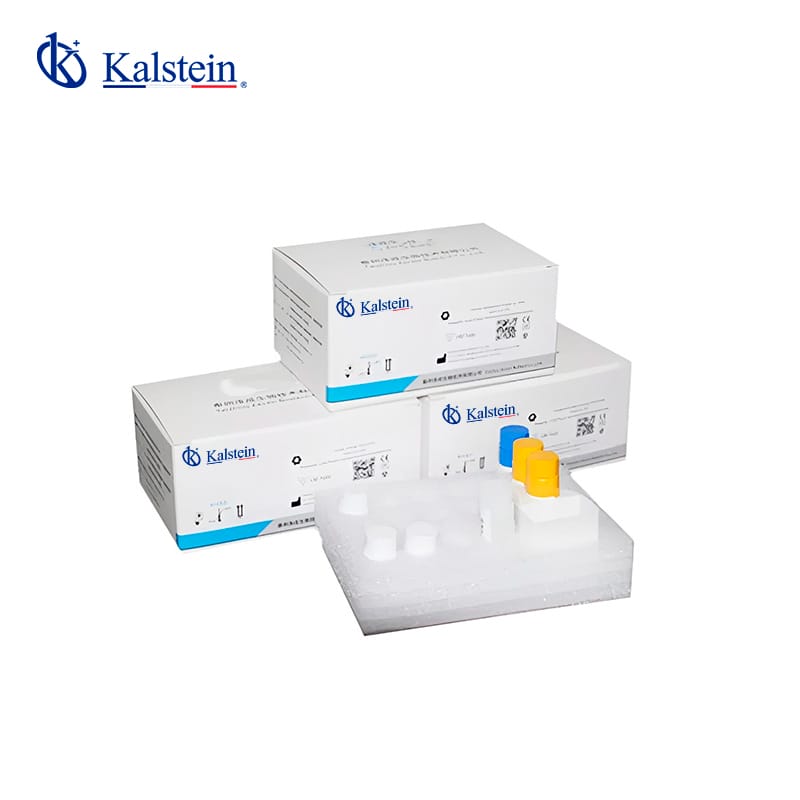
Sustainability in Chemiluminescence Reagents: A Comprehensive Guide
In the realm of laboratory practices, the focus on sustainability and reducing environmental footprints has never been more critical. Chemiluminescence reagents play an essential role in various diagnostic and research applications, and understanding their impact on energy sustainability is vital for laboratory professionals. This guide will delve into how these reagents support sustainable practices, focusing on energy efficiency, waste reduction, and compliance with environmental standards.
Understanding Chemiluminescence Reagents
Chemiluminescence reagents are substances that emit light as a result of a chemical reaction. They are predominantly used in immunoassays and other diagnostic tests due to their sensitivity and specificity. These reagents contribute significantly to laboratory workflows, allowing for rapid and accurate results. However, their environmental impact is an essential consideration in today's eco-conscious landscape.
Energy Sustainability in Chemiluminescence Reagents
Energy sustainability refers to practices that minimize energy consumption and promote the use of renewable resources. In laboratories utilizing chemiluminescence reagents, several strategies can be implemented to enhance energy sustainability:
- Optimizing reagent formulations to require less energy for activation.
- Implementing energy-efficient equipment that operates at lower power levels.
- Adopting procedures that reduce the quantity of waste generated during testing.
Comparison of Available Models
| Model | Parameters Tested | Packaging Specifications | Price (USD) |
|---|---|---|---|
| YRA279 | TSH, TT3, TT4, FT3, FT4, TFAb, TPOAb, TRAb | 50T/BOX, 100T/BOX, 24T/BOX, 48T/BOX | 15.00 |
| YRA280 | TSH, TT3, TT4, FT3, FT4, TFAb, TPOAb, TRAb | 50T/BOX, 100T/BOX, 24T/BOX, 48T/BOX | 15.00 |
| YRA281 | TSH, TT3, TT4, FT3, FT4, TFAb, TPOAb, TRAb | 50T/BOX, 100T/BOX, 24T/BOX, 48T/BOX | 15.00 |
| YRA282 | TSH, TT3, TT4, FT3, FT4, TFAb, TPOAb, TRAb | 50T/BOX, 100T/BOX, 24T/BOX, 48T/BOX | 15.00 |
| YRA283 | TSH, TT3, TT4, FT3, FT4, TFAb, TPOAb, TRAb | 50T/BOX, 100T/BOX, 24T/BOX, 48T/BOX | 15.00 |
| YRA284 | TSH, TT3, TT4, FT3, FT4, TFAb, TPOAb, TRAb | 50T/BOX, 100T/BOX, 24T/BOX, 48T/BOX | 35.00 |
Common Mistakes and How to Avoid Them
In laboratories, implementing sustainability practices can be challenging. Common mistakes include:
- Not measuring energy consumption: Regularly auditing energy usage can help identify areas for improvement.
- Overlooking waste disposal: Ensure proper disposal methods are in place to minimize environmental impact.
- Ignoring equipment maintenance: Regular maintenance of analyzers and reagents can enhance their efficiency and lifespan.
Best Practices for Reducing Environmental Footprint
Adopting best practices in the use of chemiluminescence reagents can significantly reduce a laboratory's environmental footprint:
1. Optimize Protocols for Reagent Use
Tailoring protocols to minimize reagent consumption while maintaining accuracy can lead to substantial waste reduction. For example, using the YRA284 reagent with its optimized formulation can result in less reagent required per test.
2. Implement Energy-Efficient Equipment
Upgrading to energy-efficient analyzers can decrease overall energy consumption. Choosing models with lower operational power requirements enhances both sustainability and cost-effectiveness. For instance, the YRA280 kit is designed to work optimally with lower energy analyzers.
3. Focus on Proper Waste Management
Establishing a robust waste management system is crucial. This includes segregating hazardous waste from regular waste and ensuring proper disposal methods are followed. Using YRA281 and YRA282 kits can also streamline waste management processes, as these models are designed with minimal waste generation in mind.
4. Educate Staff on Sustainability Practices
Training laboratory personnel on sustainable practices ensures everyone is aligned with the lab's environmental goals. Regular workshops can reinforce the importance of reducing energy consumption and proper reagent use.
Frequently Asked Questions
How can chemiluminescence reagents reduce energy consumption in laboratories?
Chemiluminescence reagents, particularly models like YRA279 and YRA280, are designed to operate efficiently, minimizing energy use during testing processes. Their formulations allow for quicker reactions, reducing the time analyzers need to be powered on, thereby conserving energy.
What is the environmental impact of using chemiluminescence reagents?
The environmental impact includes waste generation and energy consumption. However, models such as YRA284 are crafted to optimize reagent use and minimize waste, thus supporting sustainability efforts in laboratories.
How do I choose the right model for sustainable practices in my lab?
Selecting models like YRA281 or YRA283 that focus on efficiency and waste reduction is crucial. These models provide comprehensive testing while ensuring minimal environmental impact.
What are the energy efficiency ratings of chemiluminescence reagents?
Energy efficiency ratings vary, but models like YRA280 are known to operate at lower power levels without sacrificing performance, making them suitable for eco-friendly laboratory practices.
How can I measure the ecological footprint of my lab's chemiluminescence reagents?
Conducting an energy audit and tracking reagent consumption can help measure the ecological footprint. Using models like YRA284 allows for better tracking of usage and waste generation, facilitating more accurate assessments.
Are there specific regulations for chemiluminescence reagents related to sustainability?
Yes, regulations often require laboratories to minimize waste and energy use. Compliance with standards is enhanced by using sustainable models like YRA279 and YRA280, which prioritize eco-friendly practices.
What are the benefits of investing in sustainable chemiluminescence reagents?
Investing in sustainable chemiluminescence reagents, such as YRA282 and YRA283, not only reduces environmental impact but also lowers operational costs through decreased energy and waste disposal expenses.
Conclusion
In conclusion, sustainability in the use of chemiluminescence reagents is paramount for modern laboratories. By selecting the right models and adopting eco-friendly practices, laboratories can significantly reduce their environmental footprint while maintaining high standards of efficiency and accuracy. If you are looking for a fusion of innovation and quality, you have come to the right place. At Kalstein, we offer you the luxury of exploring our exclusive catalog of laboratory equipment. We manufacture every device to the highest standards of excellence. Our intuitive and seamless online purchasing channels are designed for your convenience, securing the most competitive prices. Hesitate no longer — we bring science to life, it is time to become part of our community.