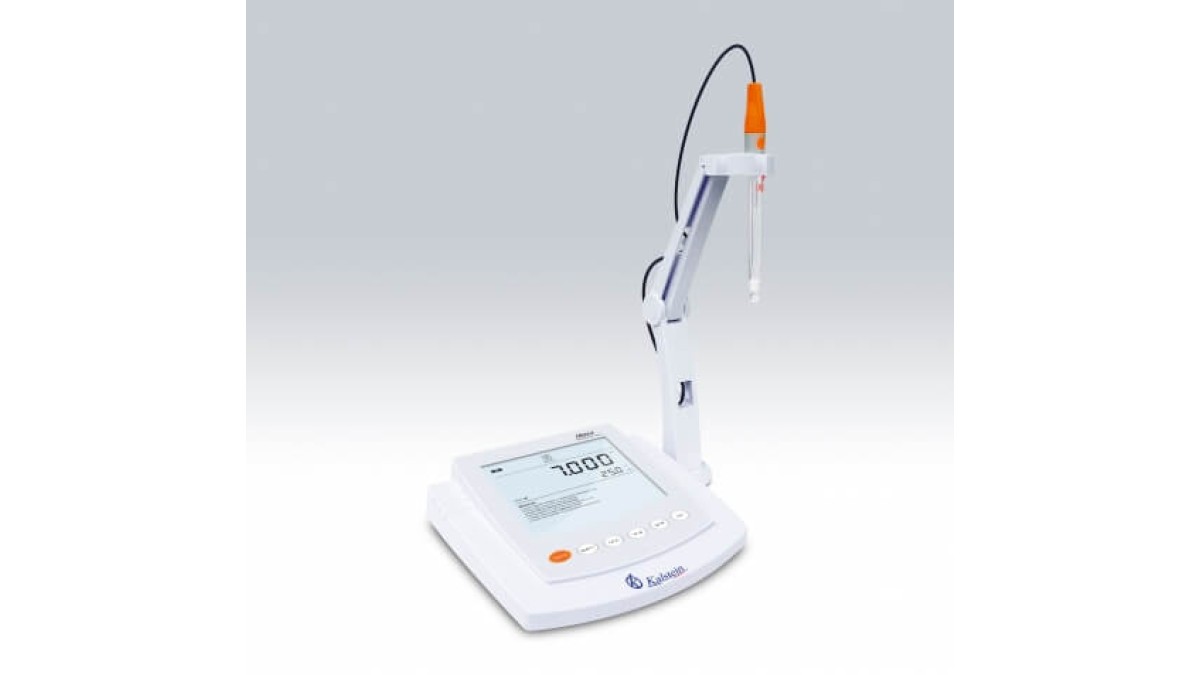
Table Conductivity Controllers: Best Techniques and Protocols in 2026
What is it used for in 2026
Table conductivity controllers are essential tools in laboratories for measuring the conductivity of liquids, which is crucial for various applications including water quality testing, chemical analysis, and biological research. In 2026, these devices have become increasingly sophisticated, integrating advanced features for precise measurements. They are widely used in environmental monitoring, food and beverage industries, and chemical manufacturing, helping professionals maintain quality control and ensure compliance with regulations.
History and evolution of the technology
The technology behind conductivity meters has evolved significantly over the past few decades. Initially, conductivity measurements were performed using simple analog devices that provided basic readings. As the demand for accuracy and data management grew, digital conductivity meters emerged, featuring microprocessors that enabled automatic calibration and advanced data handling. By 2026, table conductivity controllers have reached a point of sophistication where they can integrate with other laboratory equipment, offering real-time data transfer and remote monitoring capabilities.
How to use it step by step
Using a table conductivity controller involves several straightforward steps:
- Prepare the sample: Ensure that the liquid sample is at the appropriate temperature, as temperature can affect conductivity readings.
- Calibrate the device: Follow the manufacturer’s instructions to calibrate the meter using standard solutions, typically at 1 to 5 points for greater accuracy.
- Submerge the electrode: Place the electrode into the sample solution, ensuring that it is fully submerged to avoid erroneous readings.
- Read the measurement: Wait for the reading to stabilize, then record the conductivity value displayed on the screen.
- Clean the electrode: After use, clean the electrode according to the manufacturer’s recommendations to ensure longevity and accuracy in future measurements.
Best techniques and protocols
In 2026, some of the best techniques for using table conductivity controllers include:
- Regular calibration: Perform calibration frequently, preferably before each use or daily, to maintain accuracy.
- Temperature compensation: Utilize automatic temperature compensation (ATC) provided by the device to get accurate readings regardless of the sample temperature.
- Use of standard solutions: Always calibrate with known standard solutions to ensure reliability and accuracy of measurements.
- Regular maintenance: Follow maintenance protocols, such as cleaning and checking the electrode, to ensure the longevity of the equipment.
Practical applications by laboratory type
Different laboratories utilize table conductivity controllers for specific applications:
- Environmental laboratories: Used for monitoring water quality, measuring salinity in bodies of water, and assessing pollution levels.
- Chemical laboratories: Essential for titrations, ensuring the right concentrations of solutions are achieved.
- Food and beverage labs: Used for testing the purity and quality of water and other liquids.
- Biotechnology labs: Useful in processes where the conductivity of liquid media impacts cell culture growth.
Regulations, standards and certifications
In 2026, laboratories must adhere to strict regulations and standards when using table conductivity controllers. Key regulations include:
- ISO 17025: General requirements for the competence of testing and calibration laboratories.
- EPA regulations: For environmental testing, laboratories must comply with EPA standards regarding water quality testing.
- Food safety standards: Compliance with FDA regulations is crucial for laboratories testing food and beverages.
Comparison with alternative technologies
While table conductivity controllers are widely used, several alternative technologies exist:
- Portable conductivity meters: More convenient for field tests but may lack the precision of table models.
- Optical sensors: These can measure various parameters, including turbidity and color, in addition to conductivity, but may be more expensive.
Comparison of available models
| Model | Best for | Key specs | Recommended use case |
|---|---|---|---|
| YR01836-1 | Multi-parameter measurements | Range: -2.000 to 20.000 pH, Resolution: 0.001 pH, Price: $355.00 | Ideal for labs needing versatile measurements, including TDS. |
| YR01836 | High precision readings | Range: -2 ~ 19.999 pH, Resolution: 0.1/0.01 pH, Price: $321.00 | Best for precision-required applications in chemistry. |
| YR01829-1 | Standard daily testing | Range: 0.01 to 20.00 mS/cm, Accuracy: ±1% FS, Price: $160.00 | Perfect for routine quality checks in various industries. |
| YR01829-2 | Standard daily testing | Range: 0.01 to 20.00 mS/cm, Accuracy: ±1% FS, Price: $235.00 | Great for labs needing reliable daily conductivity measurements. |
| YR01829 | Advanced applications | Range: -1.999 ~ 19.999 pH, Resolution: 0.1/0.01/0.001 pH, Price: $285.00 | Best for complex laboratory work requiring real-time data. |
| YR01828 | Multi-parameter analysis | Range: (0.00~20.00)μS/cm, Accuracy: ±0.8% FS, Price: $350.00 | Ideal for labs needing comprehensive analysis capabilities. |
Common mistakes and how to avoid them
Common mistakes in using table conductivity controllers include:
- Neglecting calibration: Regular calibration is essential for accurate readings; set a schedule for calibrations.
- Improper cleaning of electrodes: Always clean the electrodes after each use to prevent contamination.
- Ignoring temperature effects: Ensure the use of ATC or manually adjust for temperature variations.
Maintenance, calibration and good practices 2026
Maintaining a table conductivity controller involves:
- Routine calibration: Calibrate before each significant use.
- Cleaning: Follow recommendations for cleaning electrodes to prevent buildup.
- Storage: Store the device in a controlled environment to extend its lifespan.
Cost-benefit analysis 2026
Investing in a table conductivity controller can lead to significant benefits such as:
- Increased efficiency: Automated calibration and accurate readings save time and reduce manpower costs.
- Improved data accuracy: High-quality measurements ensure compliance with industry standards.
- Enhanced productivity: Streamlined workflows due to advanced features can lead to more effective laboratory operations.
Frequently asked questions
What should I consider when choosing a table conductivity controller?
Consider the required measurement range, resolution, additional features like ATC, and compatibility with other laboratory equipment.
How often should I calibrate my conductivity meter?
It is recommended to calibrate before each use or at least daily to maintain accuracy.
Can I use the conductivity meter for different types of liquids?
Yes, but it is essential to ensure that the meter is suitable for the specific conductivity range of the liquid being tested.
What maintenance is required for conductivity controllers?
Regular cleaning of electrodes and routine calibration are critical for ensuring longevity and accuracy.
How does temperature affect conductivity measurements?
Temperature can significantly influence conductivity readings; using a meter with automatic temperature compensation helps ensure accurate results.
Are there any common mistakes to avoid when using these meters?
Yes, common mistakes include neglecting calibration, improper cleaning, and failing to account for temperature effects.
If you are looking for a fusion of innovation and quality, you have come to the right place. At Kalstein, we offer you the luxury of exploring our exclusive catalog of laboratory equipment. We manufacture every device to the highest standards of excellence. Our intuitive and seamless online purchasing channels are designed for your convenience, securing the most competitive prices. Hesitate no longer — we bring science to life, it is time to become part of our community.