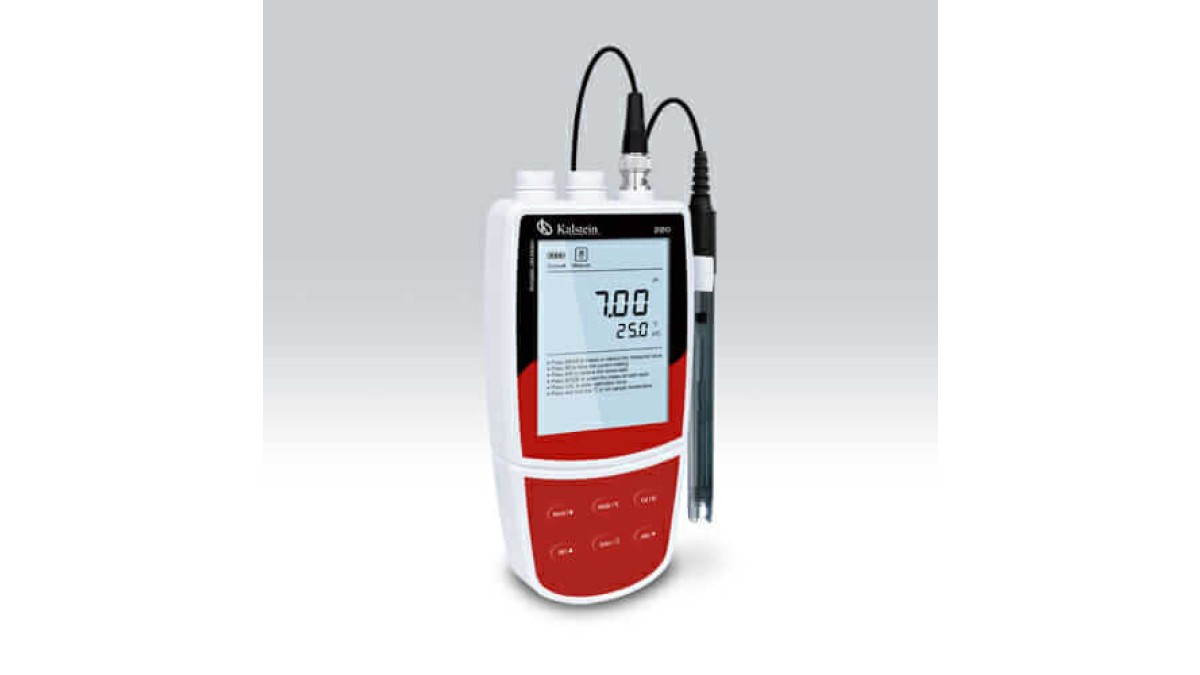
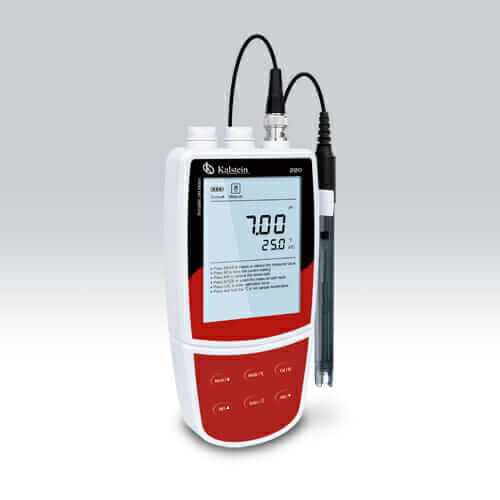
Table pH Meters: A Practical Step-by-Step Guide for 2026
What is it used for in 2026
Table pH meters play a critical role in various laboratory applications, primarily aimed at measuring the acidity or alkalinity of solutions. In 2026, these devices are essential in fields such as environmental testing, food and beverage analysis, chemical manufacturing, and pharmaceuticals. Lab professionals utilize pH meters to ensure the quality and safety of products and comply with regulatory standards. Understanding the pH level of a solution helps in optimizing reactions, preserving product shelf-life, and conducting precise experimental setups.
History and evolution of the technology
The development of pH meters dates back to the early 20th century, when the first glass electrodes were introduced in laboratory settings. Over the decades, advancements in microprocessor technology have transformed these devices, leading to more accurate and user-friendly models. Table pH meters have evolved to incorporate features such as automatic temperature compensation, multi-point calibration, and data storage capabilities. By 2026, the market offers a range of innovative models that cater to diverse laboratory needs, enhancing measurement efficiency and precision.
How to use it step by step
Using a table pH meter involves several straightforward steps:
- Preparation: Ensure the pH meter is clean and properly calibrated. Check if the electrode is in good condition.
- Calibration: Calibrate the pH meter using standard buffer solutions. Follow the manufacturer’s instructions for optimal calibration settings.
- Measurement: Immerse the electrode in the solution to be tested, ensuring that the tip is submerged. Allow the reading to stabilize.
- Recording: Document the pH reading displayed on the screen. Clean the electrode after use with distilled water.
- Storage: Store the pH meter in a protective case with proper solutions to keep the electrode hydrated.
Best techniques and protocols
To achieve accurate results when using table pH meters, consider the following best practices:
- Regularly calibrate the device using fresh, uncontaminated buffer solutions.
- Always rinse the electrode with distilled water before immersing it in a new solution.
- Avoid exposing the electrode to extreme temperatures or harsh chemicals.
- Ensure proper electrode maintenance, including regular cleaning and storage in a suitable solution.
- Document all measurements and calibration data for reference and compliance.
Practical applications by laboratory type
Different laboratory types utilize table pH meters for specific applications:
Environmental Laboratories
Testing soil and water samples to monitor pollution levels and ensure compliance with environmental regulations.
Food and Beverage Industry
Ensuring products meet safety standards by measuring pH during manufacturing processes, affecting taste, preservation, and product quality.
Chemical Manufacturing
Monitoring pH levels during chemical reactions to optimize product yield and maintain safety protocols.
Pharmaceutical Laboratories
Testing pH in drug formulations to guarantee efficacy and stability, adhering to stringent industry standards.
Regulations, standards and certifications
Laboratories using table pH meters must comply with various regulations and standards, including:
- ISO 9001: Quality Management Systems
- FDA regulations for food and pharmaceuticals
- EPA standards for environmental testing
- ANSI standards for laboratory equipment safety
Compliance ensures that measurements are reliable and accepted by regulatory authorities.
Comparison with alternative technologies
While table pH meters are popular, other technologies also exist for measuring pH, such as:
- pH Indicator Strips: Cost-effective but less precise, suitable for quick checks.
- pH Probes: More portable, ideal for field measurements but may lack advanced features.
- Ion Selective Electrodes: Useful for specific ion measurements but require more expertise to operate.
Each technology has its advantages and limitations, making it essential for laboratory professionals to choose the right tool based on their specific requirements.
Comparison of available models
| Model | Best for | Key specs | Recommended use case |
|---|---|---|---|
| YR0220A | General laboratory use | pH Range: -2.00~20.00pH, Resolution: 0.01pH | Suitable for diverse applications needing accurate pH measurement. |
| YR01822 | Advanced data handling | pH Range: -2.00~20.00pH, Resolution: ±0.002pH | Ideal for labs requiring real-time data transfer and storage. |
| YR01825 | User-friendly interface | pH Range: -2.00~20.00pH, Resolution: 0.01/0.001pH | Perfect for labs needing high-resolution measurements and touch control. |
| YR01823-2 | Precise measurements | pH Range: -2.000~20.000pH, Resolution: 0.001pH | Best for high-accuracy applications in research laboratories. |
| YR01823 | High sensitivity | pH Range: -2.00~20.00pH, Resolution: 0.1/0.01pH | Recommended for sensitive experiments requiring consistent accuracy. |
| YR01826 | Long-range readings | pH Range: -2~19.999pH, Resolution: 0.1/0.01pH | Suitable for applications demanding readability from a distance. |
Common mistakes and how to avoid them
To ensure accurate pH measurements, laboratory professionals should avoid these common mistakes:
- Failing to calibrate the meter regularly, leading to inaccurate readings.
- Not rinsing the electrode between measurements, causing cross-contamination.
- Storing the electrode improperly, which can damage its sensitivity.
- Ignoring manufacturer guidelines for maintenance and use, leading to device failure.
By adhering to proper protocols and maintaining equipment, labs can enhance the reliability of their measurements.
Maintenance, calibration and good practices 2026
Routine maintenance and calibration of table pH meters are vital for optimal performance. Key practices include:
- Calibrating with fresh buffer solutions at least once a week or before critical measurements.
- Cleansing the electrode with distilled water and appropriate cleaning solutions after each use.
- Storing the electrode in a suitable storage solution to prevent drying out.
- Inspecting equipment regularly for any signs of wear or damage, ensuring immediate repairs or replacements as needed.
Implementing these practices will extend the life of pH meters and ensure ongoing measurement accuracy.
Cost-benefit analysis 2026
Investment in table pH meters provides substantial long-term benefits. While initial costs may vary based on the model and features, the efficiency gained in terms of time and accuracy often outweighs the expense. Additionally, reliable pH measurements contribute to regulatory compliance, reducing potential costs associated with non-compliance fines or product recalls. Laboratories that adopt advanced pH meters can expect enhanced productivity, leading to better overall financial performance.
Frequently asked questions
What should I consider when choosing a table pH meter?
When selecting a table pH meter, consider factors such as the required pH range, resolution, calibration options, and additional features like data storage and automatic temperature compensation.
How often should I calibrate my pH meter?
It is recommended to calibrate your pH meter at least once a week, or before significant measurements, to ensure accuracy and reliability of results.
Can I use any buffer solution for calibration?
While you can use different buffer solutions, it is best to use fresh, uncontaminated buffer solutions that correspond to the pH range you expect to measure for most accurate calibration.
What is the best practice for storing the electrode?
The electrode should be stored in a proper storage solution designed for pH electrodes or in a hydrated condition to maintain its sensitivity and functionality.
How do I know if my pH meter needs maintenance?
Signs that your pH meter may need maintenance include inconsistent readings, slow response times, or visible damage to the electrode. Regularly inspect and test functionality to ensure reliability.
What applications are best suited for portable pH meters?
Portable pH meters are ideal for field applications such as environmental testing, agricultural monitoring, and any situation requiring on-site measurements.
How can I request a quote for a pH meter?
You can request a quote for a table pH meter by contacting our sales team or visiting our website for more information on available models and pricing.
If you are looking for a fusion of innovation and quality, you have come to the right place. At Kalstein, we offer you the luxury of exploring our exclusive catalog of laboratory equipment. We manufacture every device to the highest standards of excellence. Our intuitive and seamless online purchasing channels are designed for your convenience, securing the most competitive prices. Hesitate no longer — we bring science to life, it is time to become part of our community.