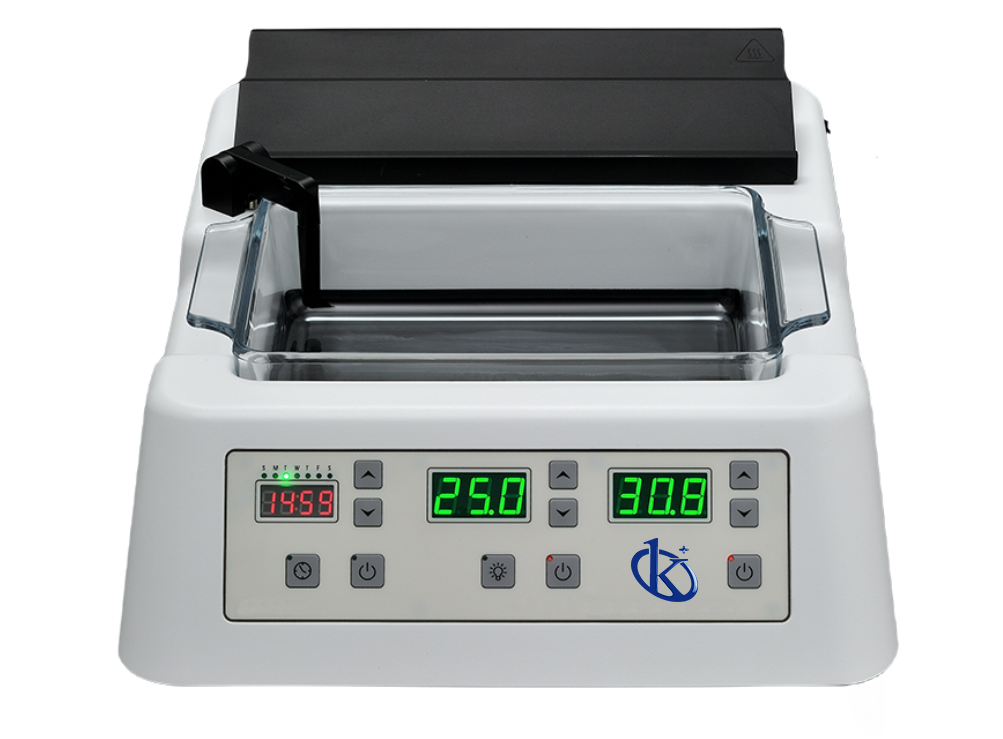
Tissue Flotation: Common Errors and How to Avoid Them in Daily Operation 2026
What is it used for in 2026
Tissue flotation is an essential process in pathological anatomy, facilitating the examination and analysis of tissue samples. In 2026, its applications span various fields, including histopathology, cytopathology, and forensic science. This technique is primarily used to prepare tissue specimens for microscopic evaluation, ensuring that they are properly oriented for accurate diagnosis. As laboratories strive for increased efficiency and precision, understanding the nuances of tissue flotation becomes crucial.
History and evolution of the technology
The technology behind tissue flotation has evolved significantly since its inception. Initially reliant on simple water baths, advancements have led to the integration of automated systems capable of maintaining precise temperature controls and efficient drying mechanisms. Innovations such as digital displays and dual heating tanks have improved user experience and operational effectiveness. The ongoing evolution aims to enhance workflow efficiency and reliability in laboratory practices.
How to use it step by step
Using tissue flotation workstations involves several critical steps:
- Preparation: Ensure that the workstation, including both the water bath and slide dryer, is clean and calibrated according to the manufacturer's specifications.
- Setting Temperatures: Adjust the water bath to the desired temperature, typically between room temperature and 70℃, and set the slide dryer to 100℃.
- Placing Tissue Samples: Carefully place the embedded tissue samples onto the water surface, ensuring no air bubbles are trapped.
- Monitoring: Use the digital display to monitor temperatures and other parameters as the samples float.
- Drying: Once properly oriented, transfer the samples to the slide dryer for optimal fixation.
- Final Adjustments: Check the samples for proper adhesion to the slides before proceeding with staining and further analysis.
Best techniques and protocols
Implementing best techniques is vital for successful outcomes in tissue flotation:
- Always use distilled or deionized water to prevent contaminants from affecting tissue morphology.
- Regularly calibrate and maintain equipment to ensure consistent temperature control.
- Utilize appropriate embedding media that enhances the floatation process without damaging the tissue.
- Ensure proper orientation of samples to prevent misinterpretation during microscopic analysis.
- Document all parameters during the flotation process for quality assurance and reproducibility.
Practical applications by laboratory type
The applications of tissue flotation vary by laboratory type:
- Histopathology Laboratories: Emphasize clear and accurate tissue sectioning for cancer diagnosis.
- Cytopathology Laboratories: Focus on optimal cell preparation for cytological examinations.
- Forensic Laboratories: Ensure meticulous handling of tissue samples for legal investigations.
Regulations, standards and certifications
Laboratories must adhere to various regulations and standards, such as:
- The Clinical Laboratory Improvement Amendments (CLIA) which govern laboratory testing.
- The ISO 15189 standard ensures the quality of medical laboratories.
- Compliance with local health and safety regulations for laboratory practices.
Comparison with alternative technologies
While tissue flotation remains a standard technique, alternatives such as direct embedding and cryosectioning are used in certain contexts. However, flotation often provides better tissue morphology with less distortion, making it a preferred choice in many laboratories.
Comparison of available models
| Model | Best for | Key specs | Recommended use case |
|---|---|---|---|
| YR457-1 | Advanced tissue processing | Temperature range: RT - 70℃; precision: ±2℃; power: 400W | High-throughput laboratories needing automated memory functions |
| YR456 | Standard tissue processing | Temperature range: RT - 70℃; power: 800W | Labs requiring reliable and consistent temperature control |
| YR457 | Versatile tissue analysis | Temperature range: RT - 70℃; precision: ±2℃; power: 900W | Multifunctional labs needing flexibility in processing |
Common mistakes and how to avoid them
Common errors in tissue flotation include:
- Improper Temperature Settings: Ensure correct temperature calibrations to prevent tissue damage.
- Contamination: Use sterile water and equipment to avoid sample contamination.
- Poor Sample Handling: Handle specimens delicately to maintain morphology.
- Insufficient Documentation: Keep thorough records of all processes for future reference and quality control.
Maintenance, calibration and good practices 2026
To ensure optimal performance:
- Perform regular maintenance checks and calibration every six months.
- Clean the water bath and drying station after each use to prevent residue buildup.
- Train staff on proper operation techniques to minimize errors.
Cost-benefit analysis 2026
Investing in tissue flotation technology can yield significant benefits:
- Quality Results: Enhanced tissue morphology leads to more accurate diagnoses.
- Efficiency: Automated systems reduce manual labor and improve throughput.
- Cost Savings: Minimizing errors and reprocessing saves time and resources.
Frequently asked questions
What factors should I consider when choosing a tissue flotation workstation?
Consider factors such as temperature range, precision control, ease of use, and ability to handle multiple samples simultaneously when selecting a workstation.
How often should I calibrate my tissue flotation equipment?
It's advisable to calibrate your equipment every six months or as recommended by the manufacturer to ensure consistent performance.
Can tissue flotation technology be used for all types of tissue specimens?
Yes, tissue flotation can be used for a variety of specimens, but the choice of embedding medium and processing conditions may vary based on tissue type.
What are the most common errors when operating tissue flotation equipment?
Common errors include improper temperature settings, contamination of samples, and mismanagement during the flotation process.
How can I ensure the accuracy of my tissue flotation results?
To ensure accuracy, maintain equipment properly, document processes thoroughly, and follow established protocols for sample handling and processing.
What type of training is necessary for laboratory personnel using tissue flotation equipment?
Training should include operational protocols, maintenance procedures, and troubleshooting techniques to ensure staff are fully equipped to use the equipment effectively.
Where can I request a quote for tissue flotation equipment?
You can request a quote from industry suppliers or directly from manufacturers specializing in laboratory equipment.
If you are looking for a fusion of innovation and quality, you have come to the right place. At Kalstein, we offer you the luxury of exploring our exclusive catalog of laboratory equipment. We manufacture every device to the highest standards of excellence. Our intuitive and seamless online purchasing channels are designed for your convenience, securing the most competitive prices. Hesitate no longer — we bring science to life, it is time to become part of our community.