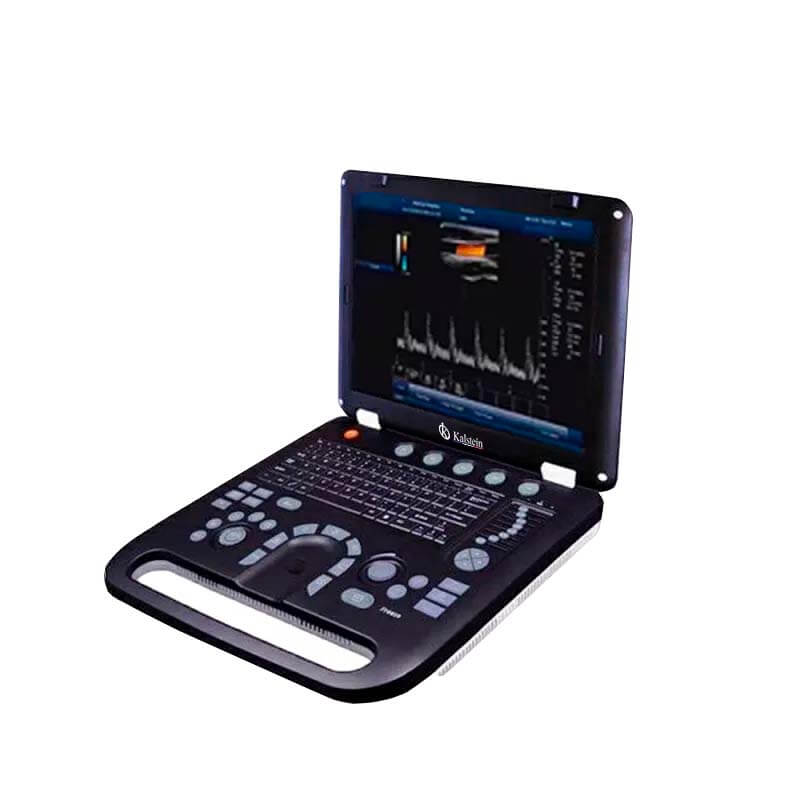
Ultrasonic Color Doppler Diagnostic Systems: Best Techniques and Protocols 2026
What is it used for in 2026
Ultrasonic Color Doppler Diagnostic Systems are pivotal in various medical fields, including cardiology, obstetrics, and vascular studies. In 2026, these systems are utilized for non-invasive imaging to assess blood flow, detect abnormalities, and provide crucial data for diagnosis and treatment planning. The technology helps visualize dynamic physiological processes, allowing healthcare professionals to evaluate conditions such as heart disease, pregnancy complications, and vascular blockages.
History and evolution of the technology
The development of ultrasonic imaging dates back to the late 1950s, with the introduction of Doppler techniques in the 1970s. Initially, these technologies were limited in scope and application. However, advancements in computing power, imaging algorithms, and transducer designs have significantly enhanced their capabilities. By 2026, Ultrasonic Color Doppler systems feature sophisticated real-time imaging, improved resolution, and user-friendly interfaces, making them essential tools in modern diagnostics.
How to use it step by step
- Preparation: Ensure the equipment is calibrated and functioning properly. Gather necessary transducers and accessories.
- Patient Preparation: Explain the procedure to the patient and ensure they are comfortable. Position the patient appropriately based on the examination type.
- Settings Configuration: Power on the device and select the appropriate imaging mode (e.g., Color Doppler, PW, etc.) for the examination.
- Probe Selection: Attach the suitable probe (convex or linear) based on the required imaging area.
- Image Acquisition: Apply ultrasound gel to the probe to ensure good contact. Move the probe over the area of interest while observing real-time images on the screen.
- Data Interpretation: Analyze the Doppler waveforms and color flow images to assess blood flow characteristics.
- Documentation: Save images, generate reports, and share findings following the institutional protocols.
Best techniques and protocols
In 2026, the best practices for using Ultrasonic Color Doppler systems include:
- Regularly updating software to utilize the latest imaging algorithms.
- Employing appropriate patient positioning to optimize image quality.
- Utilizing contrast agents where necessary to enhance visualization.
- Following standardized measurement techniques to ensure consistency and accuracy.
Practical applications by laboratory type
Ultrasonic Color Doppler systems are versatile and find applications across various laboratory settings:
- Cardiology Labs: Used for assessing cardiac function and diagnosing vascular diseases.
- Obstetrics Departments: Vital for monitoring fetal health and blood flow in pregnant patients.
- Vascular Labs: Essential for evaluating peripheral arterial diseases and venous insufficiencies.
- Pediatric Units: Crucial for assessing congenital heart defects and other pediatric conditions.
Regulations, standards and certifications
Ultrasonic Color Doppler systems must comply with medical device regulations set forth by agencies like the FDA (Food and Drug Administration) in the United States and the CE marking in Europe. These regulations assure that the devices meet safety and efficacy standards. Regular audits and certifications are necessary to maintain compliance and quality assurance in laboratory settings.
Comparison with alternative technologies
Compared to traditional ultrasound systems, Ultrasonic Color Doppler provides enhanced visualization of blood flow and dynamic processes. While MRI and CT scans offer detailed anatomical images, they are less effective in real-time blood flow assessments. The main advantages of Color Doppler systems include portability, cost-effectiveness, and immediate results.
Comparison of available models
| Model | Best for | Key specs | Recommended use case |
|---|---|---|---|
| YR05148 | General diagnostics | Weight: 3.5 kg, Price: $2400.00 | Small clinics requiring portable systems. |
| YR05149 | Mobile applications | Weight: 10 kg, Price: $3400.00 | Emergency settings with mobility needs. |
| YR05150 | Cardiology | Weight: N/A, Price: $6000.00 | Advanced heart assessments. |
| YR05151 | Comprehensive diagnostics | Weight: 80 kg, Price: $5990.00 | Large hospitals with extensive imaging needs. |
| YR05152 | Pregnancy monitoring | Weight: 5.5 kg, Price: $6500.00 | Obstetric units for fetal assessments. |
| YR05153 | Portable use | Weight: 165 kg, Price: $3300.00 | Outpatient settings where portability is critical. |
Common mistakes and how to avoid them
Common pitfalls when using Ultrasonic Color Doppler systems include:
- Inadequate patient preparation leading to poor image quality. Ensure clear communication and comfort for the patient.
- Improper probe application, which can affect data accuracy. Always use sufficient coupling gel and proper angling.
- Neglecting calibration checks can result in erroneous readings. Regularly verify the device settings as per manufacturer guidelines.
Maintenance, calibration and good practices 2026
To maintain optimal performance of Ultrasonic Color Doppler systems in 2026:
- Perform regular maintenance checks and follow the manufacturer’s guidelines for servicing.
- Calibrate the systems regularly to ensure measurement accuracy.
- Train staff on proper usage techniques and troubleshooting methods.
Cost-benefit analysis 2026
When evaluating the cost versus benefits of Ultrasonic Color Doppler systems, consider:
- The initial investment must be balanced with potential revenue from accurate diagnostics and improved patient outcomes.
- Consider the costs associated with maintenance and training against the savings from reduced unnecessary procedures.
- Evaluate the long-term impact on patient throughput and satisfaction.
Frequently asked questions
What should I consider when choosing an Ultrasonic Color Doppler system?
Evaluate the specific requirements of your practice, including the types of examinations you will perform, portability needs, and budget constraints. Look for systems with advanced imaging capabilities and ease of use.
How do I ensure optimal image quality during scans?
Optimal image quality can be achieved by ensuring proper patient positioning, using adequate coupling gel, and selecting the correct probe for the examination area.
Can I use the same Doppler system for different types of procedures?
Yes, many Ultrasonic Color Doppler systems are versatile and can be used for various applications including cardiology, obstetrics, and vascular studies. However, ensure the device has the necessary features for each application.
What are the common limitations of Ultrasonic Color Doppler systems?
Some limitations include operator dependency, difficulty in imaging structures obscured by bone or gas, and variations in patient anatomy that may affect the quality of the results.
How often should routine maintenance be performed on the equipment?
Routine maintenance should be performed as recommended by the manufacturer, typically at least once a year or after a certain number of scans, to ensure accuracy and reliability.
Is training necessary for operating Ultrasonic Color Doppler systems?
Yes, proper training is essential to operate these systems effectively, ensuring accurate results and patient safety. Training can also help to minimize errors and enhance the diagnostic capabilities of the equipment.
If you are looking for a fusion of innovation and quality, you have come to the right place. At Kalstein, we offer you the luxury of exploring our exclusive catalog of laboratory equipment. We manufacture every device to the highest standards of excellence. Our intuitive and seamless online purchasing channels are designed for your convenience, securing the most competitive prices. Hesitate no longer — we bring science to life, it is time to become part of our community.