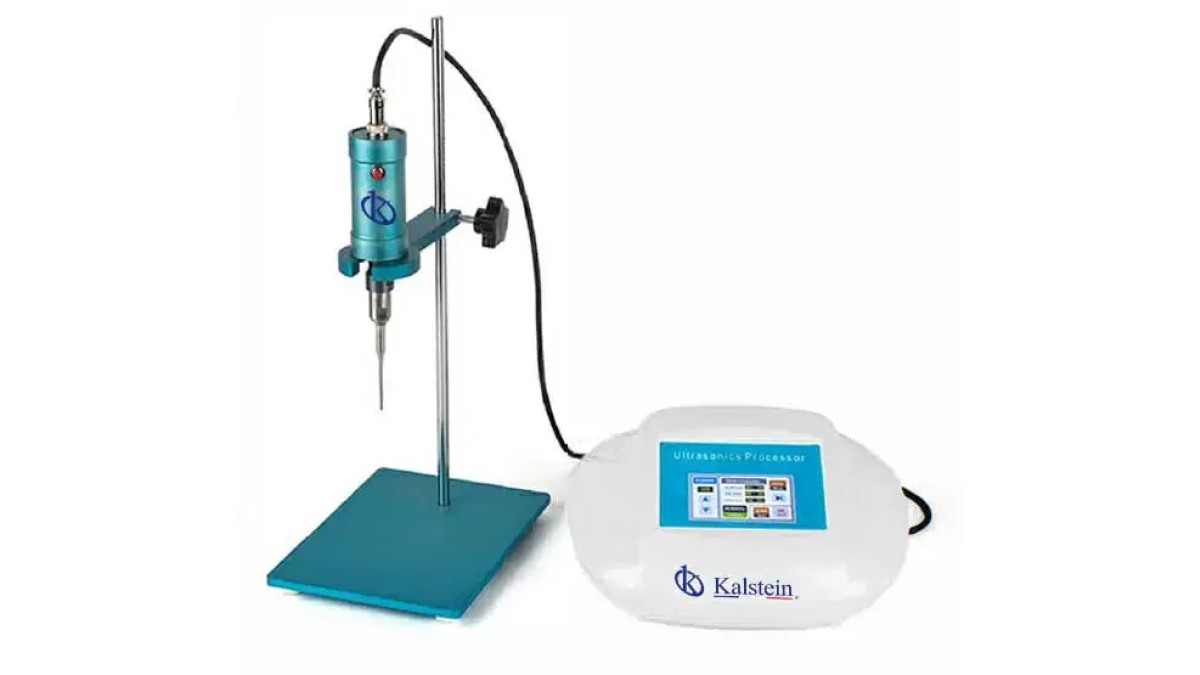
Ultrasonic Homogenizers: Applications in Research, Biotechnology, and Academia 2026
What is it used for in 2026
Ultrasonic homogenizers are versatile tools utilized across various fields, including research, biotechnology, and academia. In 2026, their applications have expanded to include:
- Cell Disruption: Efficiently breaking down animal, plant, and viral cells for further analysis.
- Emulsification: Creating stable emulsions in pharmaceutical formulations and food technology.
- Extraction: Isolating proteins, DNA, RNA, and other biomolecules from complex matrices.
- Homogenization: Ensuring uniformity in samples, especially in drug development.
- Cleaning: Utilizing ultrasonic waves for efficient cleaning of laboratory equipment and glassware.
History and evolution of the technology
The concept of ultrasonic homogenization dates back to the early 20th century. Initially used in industrial applications, it became prominent in laboratories during the 1980s with advancements in technology. The shift towards digital controls and more robust designs allowed for enhanced stability and reliability in laboratory settings, making ultrasonic homogenizers indispensable tools for researchers.
How to use it step by step
- Set Up the Equipment: Ensure the ultrasonic homogenizer is placed on a stable surface and connected to a power source.
- Select the Probe: Choose the appropriate ultrasonic probe based on the sample volume and type.
- Prepare the Sample: Place the sample in a suitable container, ensuring it is compatible with ultrasonic processing.
- Adjust Settings: Set the power, frequency, and duration based on the specific requirements of the sample.
- Start the Process: Activate the homogenizer and observe the sample for any physical changes.
- Monitor Temperature: Use a temperature probe if necessary, as excessive heat may damage sensitive samples.
- Clean Up: Once processing is complete, clean the probes and containers as per laboratory protocols.
Best techniques and protocols
To optimize the use of ultrasonic homogenizers, consider the following techniques:
- Pulse Mode: Use pulse mode to avoid overheating samples, especially when dealing with heat-sensitive materials.
- Optimize Amplitude: Adjust the amplitude for maximum effectiveness while preventing cavitation collapse in sensitive samples.
- Consistent Sample Volume: Maintaining a consistent sample volume ensures reproducibility of results.
- Control Temperature: Implement cooling measures when processing high-viscosity samples to maintain integrity.
Practical applications by laboratory type
Different laboratory settings utilize ultrasonic homogenizers in varied ways:
- Research Laboratories: Used for cell disruption and extraction of biomolecules for analysis.
- Biotechnology Firms: Essential in developing vaccines and pharmaceutical formulations through emulsification and homogenization.
- Academic Institutions: Employed in teaching labs for hands-on experience with sample processing techniques.
Regulations, standards and certifications
Laboratories utilizing ultrasonic homogenizers must adhere to various regulations, including:
- ISO Standards: Ensure that equipment meets international quality standards for laboratory practices.
- FDA Regulations: Compliance is crucial for applications in pharmaceuticals and food industries.
- Good Laboratory Practices (GLP): Maintain comprehensive documentation and protocols for reproducibility and safety.
Comparison with alternative technologies
While ultrasonic homogenizers are powerful, alternatives like mechanical homogenizers and bead mills also exist. Here’s a brief comparison:
| Technology | Advantages | Disadvantages |
|---|---|---|
| Ultrasonic Homogenizers | High efficiency, minimal sample heating | Higher initial cost, requires power source |
| Mechanical Homogenizers | Cost-effective, straightforward operation | Higher heat generation, less effective for fine emulsions |
| Bead Mills | Effective for tough materials, high throughput | Complex cleaning process, potential contamination |
Comparison of available models
| Model | Best for | Key specs | Recommended use case |
|---|---|---|---|
| YR05829 | General liquid processing | Power: 5-150W, Frequency: 19-25KHz | Emulsification and cell disruption |
| YR05830 | Medium volume emulsification | Power: 5-250W, Frequency: 19-25KHz | Pharmaceutical applications |
| YR05831 | High volume processing | Power: 5-400W, Frequency: 19-25KHz | Industrial applications |
| YR05831-op1 | Budget-friendly options | Power: 5-400W, Frequency: 19-25KHz | Small scale research |
| YR05831-op2 | Compact and portable use | Power: 5-400W, Frequency: 19-25KHz | Field applications |
| YR05832 | Advanced applications | Power: Up to 1800W, Frequency: 20-25KHz | High-end laboratory needs |
Common mistakes and how to avoid them
Many users encounter issues when operating ultrasonic homogenizers. Common mistakes include:
- Inadequate Sample Preparation: Always ensure proper dilution and volume to avoid excessive cavitation.
- Ignoring Temperature Control: Always monitor temperature; overheating can lead to sample degradation.
- Using Incorrect Probes: Select the appropriate probe diameter based on the sample size for optimal results.
Maintenance, calibration and good practices 2026
To ensure longevity and efficiency, follow these maintenance practices:
- Regular Cleaning: Clean the probes and containers immediately after use to prevent contamination.
- Calibration: Periodically calibrate the equipment to ensure accurate performance.
- Routine Inspections: Check for wear and tear on probes and replace them as necessary.
Cost-benefit analysis 2026
When considering the purchase of ultrasonic homogenizers, evaluate:
- Initial Investment: While the upfront cost can be high, the efficiency gains justify the investment for many laboratories.
- Operational Costs: Assess the energy consumption and maintenance costs over time.
- Return on Investment: Analyze how the improved processes can enhance productivity and yield in research or production.
Frequently asked questions
What are the primary applications of ultrasonic homogenizers?
Ultrasonic homogenizers are primarily used for cell disruption, emulsification, extraction, and homogenization of various samples in research and industry.
How do I choose the right ultrasonic homogenizer for my lab?
Consider factors such as sample volume, required power, and the specific applications you intend to perform when selecting a model.
What maintenance practices should I follow for ultrasonic homogenizers?
Regular cleaning, calibration, and checking for wear on probes are essential maintenance practices to ensure optimal performance.
How can I optimize the efficiency of my ultrasonic homogenizer?
Use pulse mode, maintain a consistent sample volume, and monitor temperature to optimize the efficiency of ultrasonic homogenization.
Can ultrasonic homogenizers be used for heat-sensitive samples?
Yes, but precautions such as using pulse mode and monitoring temperature are necessary to prevent damage to heat-sensitive materials.
What are the differences between ultrasonic homogenizers and mechanical homogenizers?
Ultrasonic homogenizers are generally more efficient and generate less heat compared to mechanical homogenizers, making them suitable for a wider range of applications.
How do I ensure reproducibility in my results with ultrasonic homogenizers?
Maintaining consistent sample volumes, optimizing processing conditions, and meticulous documentation of the procedure will help ensure reproducibility.
If you are looking for a fusion of innovation and quality, you have come to the right place. At Kalstein, we offer you the luxury of exploring our exclusive catalog of laboratory equipment. We manufacture every device to the highest standards of excellence. Our intuitive and seamless online purchasing channels are designed for your convenience, securing the most competitive prices. Hesitate no longer — we bring science to life, it is time to become part of our community.