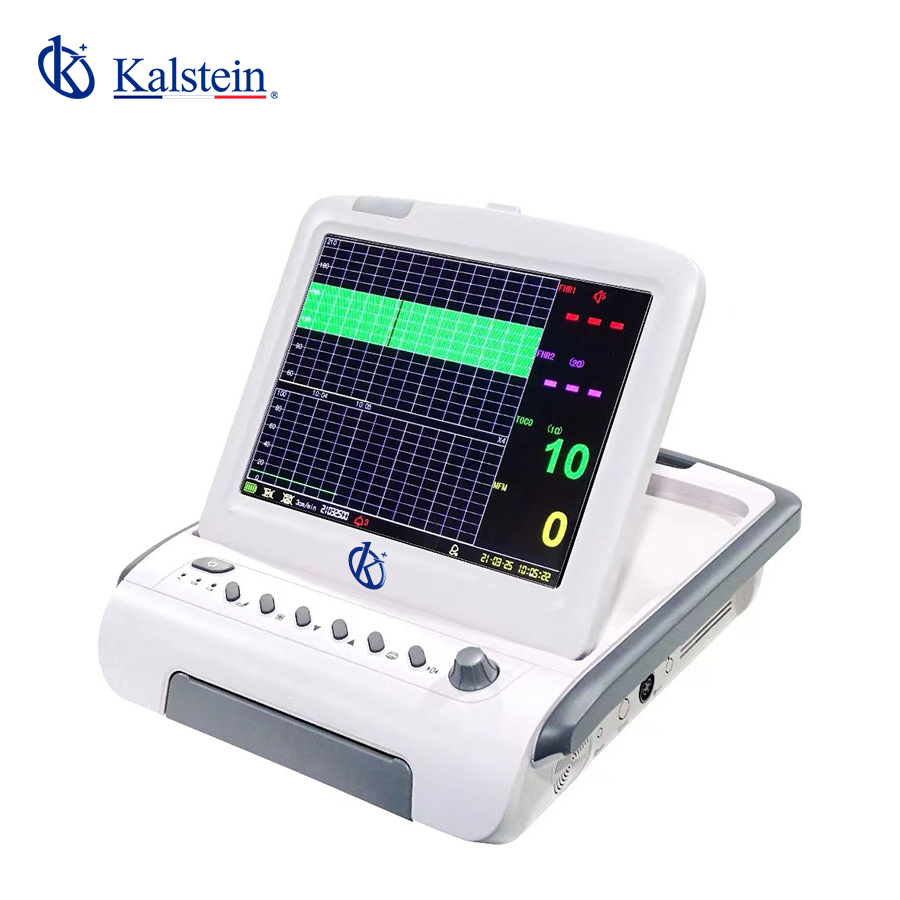
Understanding Measurement Interpretation and Result Reading Using the YR02190A Fetal Monitor
The YR02190A Fetal Monitor is a critical instrument in the field of maternal-fetal medicine, providing essential data to healthcare providers. This article focuses on interpreting measurement results effectively, ensuring accurate readings are obtained from the YR02190A. Proper understanding of these readings is vital for making informed clinical decisions.
Technical Specifications of the YR02190A
| Model | YR02190A |
|---|---|
| Screen | 12.1-inch Color TFT Display, 90 Degrees Adjustable |
| Resolution | 800 x 600 |
| Waveform Tracing | Max 6 Waveforms |
| Standard Configuration | SpO2, MHR, NIBP, TEMP, ECG, RESP, TOCO, FHR, FM, Recorder |
| Optional Configuration | Fetal Stimulator, FHR2, Cart |
Interpreting Measurement Results from the YR02190A
Interpreting measurements requires understanding the various parameters displayed on the YR02190A. These include:
- Fetal Heart Rate (FHR): Ranges between 50-240 bpm, with a normal baseline of 120-160 bpm.
- SpO2 Levels: Oxygen saturation readings should ideally be between 95% and 100% for optimal fetal health.
- NIBP Readings: The normal range for systolic blood pressure is 90-120 mmHg. Regular monitoring assists in managing maternal health.
- TOCO Measurements: Assess uterine contractions, measured in 0-100 units, providing insights into labor progression.
Common Misinterpretations and How to Avoid Them
It is crucial to avoid common misinterpretations that may arise when reading the YR02190A measurements:
- FHR Variability: Misreading fetal heart rate fluctuations can lead to incorrect assessments of fetal distress. Always interpret these in the context of gestational age.
- SpO2 Misinterpretation: Low SpO2 readings may indicate maternal hypoxia but should be evaluated in conjunction with FHR and maternal vital signs.
- NIBP Readings: Given that NIBP can vary with position changes, it is essential to take readings consistently under similar conditions.
Practical Applications of YR02190A in Clinical Settings
The YR02190A is versatile and used in various clinical scenarios:
- Routine Check-Ups: Regular monitoring of FHR and maternal vitals during prenatal visits.
- Labor Monitoring: Continuous FHR and uterine contraction monitoring during labor to assess fetal well-being.
- Emergency Situations: Rapid assessment of fetal status in cases of maternal complications.
Understanding the Display and Outputs of the YR02190A
The YR02190A features an intuitive display that presents crucial information clearly. Key components include:
- Graphical Waveforms: Real-time visualization of FHR, TOCO, and contractions.
- Alarm Indicators: Alerts for abnormal readings, allowing for quick intervention.
- Data Logging: Historical data available for reviewing trends in fetal and maternal health.
Frequently Asked Questions
How do I calibrate the YR02190A for accurate readings?
Calibration of the YR02190A should be done following manufacturer guidelines, ensuring all sensors are correctly placed and the device is leveled before starting measurements.
What should I do if I encounter error codes on the YR02190A?
Error codes typically indicate a malfunction or misconfiguration. Refer to the user manual for a troubleshooting guide specific to the error code displayed.
How can I ensure optimal performance of the YR02190A?
Regular maintenance, including cleaning and routine checks of the sensors, will help ensure the YR02190A operates at peak performance.
What are normal fetal heart rate patterns, and how do I interpret them?
Normal fetal heart rates typically range from 120 to 160 bpm. Variability in these rates can indicate fetal well-being or distress, and should be assessed in conjunction with other clinical signs.
Can the YR02190A be used in different clinical settings?
Yes, the YR02190A is designed for versatility and can be utilized in obstetric wards, emergency departments, and outpatient clinics.
What features make the YR02190A suitable for labor monitoring?
The YR02190A provides continuous FHR monitoring, uterine contraction tracking, and alarm features, making it highly effective for labor monitoring scenarios.
How do I interpret TOCO readings on the YR02190A?
TOCO readings range from 0 to 100 units, with higher values indicating stronger uterine contractions. These readings should be interpreted alongside FHR data for comprehensive maternal-fetal assessment.
If you are looking for a fusion of innovation and quality, you have come to the right place. At Kalstein, we offer you the luxury of exploring our exclusive catalog of laboratory equipment. We manufacture every device to the highest standards of excellence. Our intuitive and seamless online purchasing channels are designed for your convenience, securing the most competitive prices. Hesitate no longer — we bring science to life, it is time to become part of our community.