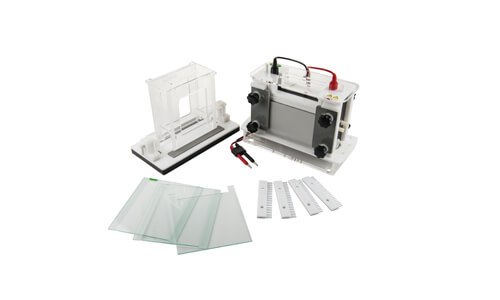
Understanding Measurements and Result Interpretation with the YR401 Mini Electrophoresis
The YR401 Mini Electrophoresis is a vital tool for laboratories specializing in the separation of nucleic acids or proteins. This article focuses on how to effectively interpret results and read measurements obtained through the YR401, ensuring accurate and reliable outcomes in your research or clinical workflows.
Technical Overview of the YR401
| Model | Brand | Category | Subcategory | Price (USD) | Net Weight (kg) | Gross Weight (kg) | Dimensions (cm) | Package Dimensions (cm) |
|---|---|---|---|---|---|---|---|---|
| YR401 | Kalstein | Electrophoresis | Horizontal Electrophoresis | 1900.00 | 1.5 | 2.5 | x x | 30 x 19 x 19 |
Interpreting Measurements
Understanding how to interpret measurements from the YR401 is crucial for obtaining meaningful data. Results can vary significantly based on factors such as sample concentration, the quality of reagents, and running conditions. Here are critical aspects to consider:
- Sample Concentration: Accurately preparing your samples is vital for reproducible results. Adjust concentrations based on the requirements of your specific protocol.
- Running Time and Voltage: Both parameters must be optimized. Longer runs can lead to better separation but may also result in band distortion.
- Buffer Systems: The choice of buffer can affect the migration rate of your samples. Always ensure the buffer is compatible with your samples.
Common Misinterpretations
Misinterpreting results can lead to incorrect conclusions. Here are common pitfalls and how to avoid them:
- Band Intensity: Band intensity does not always correlate directly with concentration; use a standard curve for quantification.
- Band Position: Different molecules migrate at varying rates, so be cautious when comparing bands across different gels.
- Invisible Bands: Some bands may be faint or not visible without staining. Always use the appropriate detection methods.
Reading Display Outputs
The YR401 is equipped with a display panel that provides real-time information during electrophoresis runs. Properly understanding this output is integral:
- Time Remaining: Monitor the countdown to optimize your observation time.
- Voltage and Current: Keep an eye on these parameters to ensure they remain within the desired range.
- Run Status: The display will indicate if the run is in progress, completed, or if an error has occurred.
Worked Examples for Interpretation
Let’s consider a scenario: You have run a gel with two different samples labeled A and B. Here’s how to interpret the findings:
- Sample A: Shows distinct bands at 500 bp and 1,000 bp, indicating the presence of two fragments. Compare these to a standard to evaluate concentration.
- Sample B: Exhibits smeared bands, indicating degradation. This suggests that the sample quality is compromised.
Best Practices for Accurate Measurements
To ensure the reliability of your results, follow these best practices:
- Calibration: Regularly calibrate your instruments to maintain accuracy.
- Replicates: Always run samples in duplicates or triplicates to account for variability.
- Documentation: Keep detailed records of all experiments, including conditions and observations, to facilitate troubleshooting and validation.
Frequently Asked Questions
What are the key features of the YR401 Mini Electrophoresis?
The YR401 features a compact design, horizontal electrophoresis capabilities, and user-friendly controls to facilitate efficient sample analysis.
How do I ensure reliable results with the YR401?
To achieve reliable results, standardize your protocols, use quality reagents, and calibrate your equipment regularly.
What types of samples can be analyzed with the YR401?
The YR401 can be used for analyzing DNA, RNA, and proteins, making it versatile for various laboratory applications.
What is the importance of buffer selection in electrophoresis?
Choosing the correct buffer is crucial as it affects the pH and ionic strength, which can influence the mobility and separation of your samples.
How can I troubleshoot common issues with the YR401?
Common issues such as poor band resolution can be addressed by checking sample loading, running conditions, and ensuring proper buffer preparation.
Is there a maintenance schedule for the YR401?
Yes, regular maintenance should include cleaning the gel tank, checking for wear and tear on the electrodes, and ensuring all connections are secure.
Where can I request a quote for the YR401?
You can request a quote for the YR401 through our dedicated sales channels.
If you are looking for a fusion of innovation and quality, you have come to the right place. At Kalstein, we offer you the luxury of exploring our exclusive catalog of laboratory equipment. We manufacture every device to the highest standards of excellence. Our intuitive and seamless online purchasing channels are designed for your convenience, securing the most competitive prices. Hesitate no longer — we bring science to life, it is time to become part of our community.