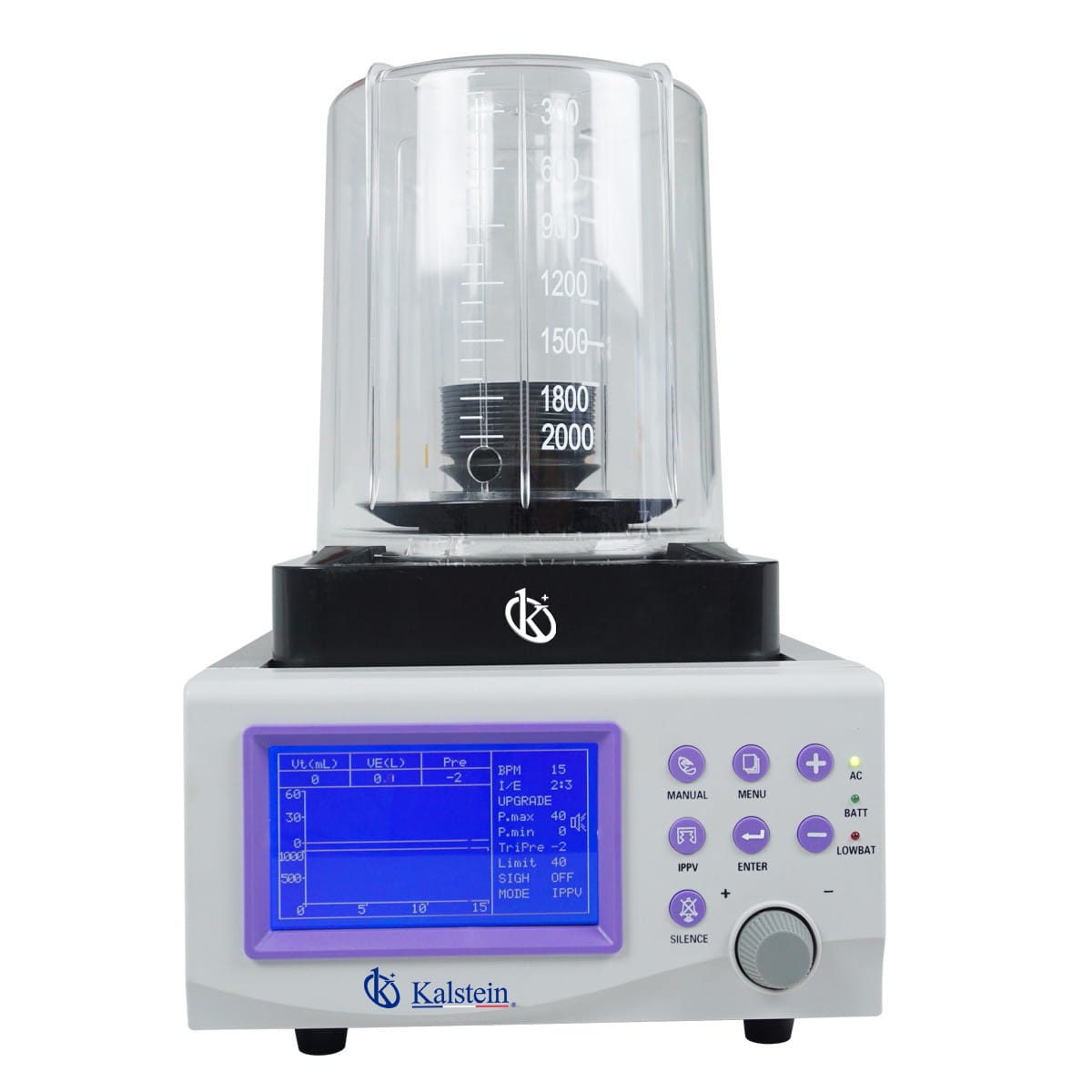
Understanding the Operating Principle and Scientific Foundation of the YR06102 Veterinary Anesthesia Ventilator
The YR06102 Veterinary Anesthesia Ventilator is a sophisticated device that offers critical assistance in respiratory support for animals. Its design and operation stem from fundamental principles of physiology and mechanics, making it essential for veterinary applications. This article delves deep into the scientific foundations and operational principles behind this innovative ventilator, ensuring that veterinary professionals understand its capabilities and applications.
Overview of the YR06102 Veterinary Anesthesia Ventilator
The YR06102 provides mechanical ventilation, assisting animals who are unable to maintain their own ventilation or oxygenation. It supports various clinical conditions where respiratory support is necessary. Although mechanical ventilation does not cure underlying diseases, it plays a vital role in maintaining pulmonary function while treatments are administered.
Key Features of the YR06102
- Respiration Modes: The YR06102 supports three operational modes: Intermittent Positive Pressure Ventilation (IPPV), Synchronized Intermittent Mandatory Ventilation (SIMV), and Manual mode.
- Waveform Types: It offers two main waveform types, Pressure-time (P-t) and Volume-time (V-t), which facilitate precise control of the ventilation process.
- Monitoring Parameters: The device continuously monitors key parameters, including Tidal Volume (VT), Minute Ventilation (VM), and Airway Pressure (PA).
The Scientific Principles Behind Mechanical Ventilation
Mechanical ventilation relies on the principles of gas exchange and the mechanics of breathing. Understanding these principles is crucial for effective operation of the YR06102. The fundamental process involves delivering a controlled volume of air into the lungs, allowing for gas exchange to occur in the alveoli. The ventilator functions by creating positive pressure to facilitate inhalation, while allowing passive exhalation.
Technical Specifications of the YR06102
| Specification | Detail |
|---|---|
| Model | YR06102 |
| Respiration Mode | IPPV, SIMV, MANUAL |
| Display | 5.5' SNT screen |
| Waveform | P-t, V-t |
| Tidal Volume | 0.50ml – 1600ml |
| Respiratory Frequency | 1 to 65 BPM |
| I:E Ratio | 8:1 – 1:8 |
| Alarm Parameters | High pressure, Low pressure, O2 source lost, AC power lost |
| High Pressure Alarm Limit | 20 – 60cmH2O |
| Low Pressure Alarm Limit | 0 – 20cmH2O |
| Monitor Parameters | Tidal Volume, MV, Ppeak, PEEP, respiratory frequency, I:E ratio |
| Safety Valve Pressure Limit | 6Kpa |
Understanding the Breathing Modes
The YR06102 offers several breathing modes tailored to the needs of different clinical scenarios. In Intermittent Positive Pressure Ventilation (IPPV), the ventilator delivers a set volume of air at predetermined intervals, ensuring adequate ventilation during anesthesia. Synchronized Intermittent Mandatory Ventilation (SIMV) allows for spontaneous breaths, enabling the patient to breathe in synchrony with the machine. Manual mode gives veterinary professionals full control over the ventilation process, allowing adjustments based on the patient's condition.
The Importance of Monitoring Parameters
Monitoring parameters such as Tidal Volume, Minute Ventilation, and Airway Pressure is essential for ensuring effective ventilation. Tidal Volume indicates the amount of air delivered during each breath, while Minute Ventilation provides insights into the total volume of air exchanged per minute. Airway Pressure is vital for detecting potential problems, such as blockages or leaks in the system. Accurate monitoring allows veterinary professionals to make informed decisions about treatment and ensure that the animal receives the necessary support.
Common Issues and Troubleshooting
Like any sophisticated medical device, the YR06102 may encounter issues during operation. Common symptoms include the device not powering on, displaying error codes, or providing inconsistent readings. Understanding the probable causes and steps to diagnose these issues can significantly improve operational efficiency. Below is a symptom to solution table for quick reference.
| Symptom | Probable Cause | Solution |
|---|---|---|
| Device does not power on | Power cable not connected | Check and connect the power cable |
| Error code E-03 | Pressure sensor malfunction | Inspect sensor and recalibrate |
| Inconsistent readings | Faulty connection | Check all connections and cables |
Frequently Asked Questions
What is the primary operating principle of the YR06102?
The primary operating principle of the YR06102 is based on delivering controlled positive pressure ventilation to support animals that cannot breathe autonomously. This mechanical approach ensures adequate gas exchange in the lungs, enabling veterinary professionals to manage respiratory functions effectively.
What are the recommended maintenance practices for the YR06102?
Regular maintenance practices include checking and cleaning the sensors, ensuring proper calibration of parameters, and inspecting the power connections. Additionally, routine software updates and functional tests are essential to maintain optimal performance.
How does the YR06102 differ from other anesthesia ventilators?
The YR06102 distinguishes itself through its versatile operation modes, comprehensive monitoring capabilities, and user-friendly interface. Unlike many other ventilators, it offers a combination of IPPV, SIMV, and manual modes, catering to various clinical scenarios.
What safety features are included in the YR06102?
The YR06102 includes multiple safety features, such as high and low-pressure alarms, ensuring that veterinary professionals are alerted to any issues that may arise during operation. This enhances patient safety and enables timely interventions.
Can the YR06102 be used in different veterinary settings?
Yes, the YR06102 is versatile and can be utilized in various veterinary settings, including clinics, hospitals, and emergency care. Its adaptable features make it suitable for a wide range of applications involving anesthesia and respiratory support.
What is the expected lifespan of the YR06102?
The expected lifespan of the YR06102 is influenced by factors such as frequency of use and maintenance practices. Typically, with proper care, the device can last several years, although regular servicing is recommended to ensure continuous reliability.
How can I request a quote for the YR06102?
You can request a quote for the YR06102 by contacting our sales team directly. They will assist you in determining the best pricing options and any available promotions.
If you are looking for a fusion of innovation and quality, you have come to the right place. At Kalstein, we offer you the luxury of exploring our exclusive catalog of laboratory equipment. We manufacture every device to the highest standards of excellence. Our intuitive and seamless online purchasing channels are designed for your convenience, securing the most competitive prices. Hesitate no longer — we bring science to life, it is time to become part of our community.