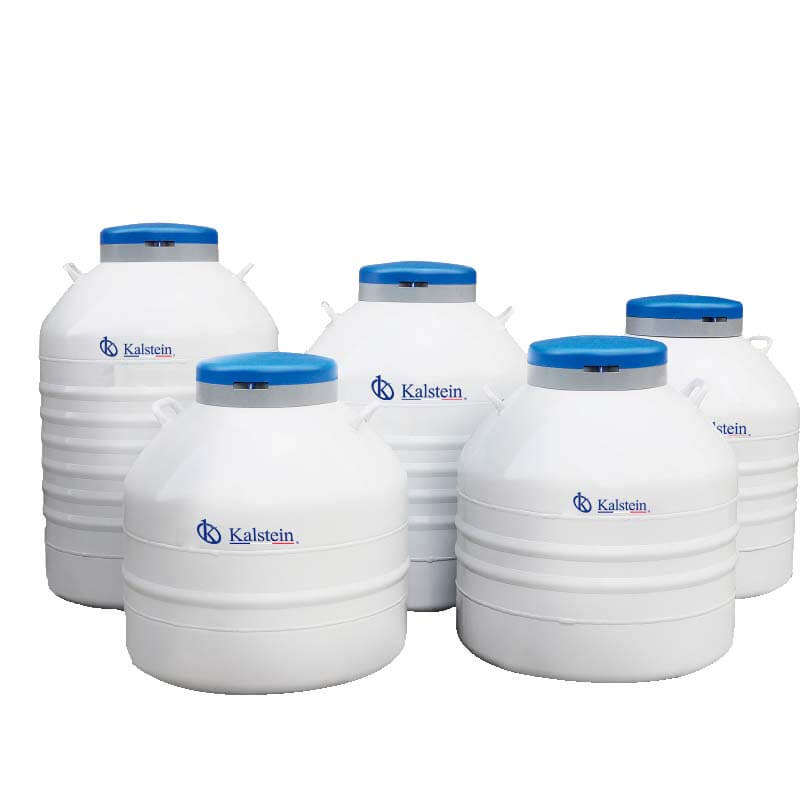
Understanding the Operating Principle and Scientific Foundations of the YR05377-6 Cork
The YR05377-6 cork is a pivotal piece of laboratory equipment, esteemed for its reliability and versatility in various applications. Understanding its operating principle and scientific background is essential for optimal utilization and performance. This article delves deep into these aspects, elucidating the mechanisms that make the YR05377-6 an invaluable tool in laboratory settings.
Principle of Operation of the YR05377-6 Cork
The YR05377-6 cork operates based on the fundamental principles of pressure resistance and material expansion. When applied in laboratory settings, it serves to create a secure seal within containers, thereby maintaining the integrity of samples. The cork’s material, often comprising a composite of natural and synthetic fibers, expands when exposed to moisture or temperature variations, ensuring a tight fit.
One critical aspect of the operation is the cork's ability to create a barrier that prevents the escape of gases or liquids. This is crucial in preventing contamination and evaporation of samples, which can lead to inaccuracies in experiments. The balance of pressure is vital, as excessive force can compromise the seal, while insufficient pressure can lead to leaks.
Scientific Foundations Behind the YR05377-6
The scientific principles governing the YR05377-6 are rooted in materials science and physics. The cork utilizes a unique combination of elasticity and compressibility — properties that allow it to mold to the shape of the vessel while retaining its original form after removal. Understanding the elasticity of the cork is fundamental as it determines how well the cork can adapt to various container shapes and sizes.
Furthermore, the thermal properties of the cork material contribute to its functionality. The ability to withstand varying temperatures without degrading is essential for laboratory applications where temperature control is paramount. This resilience is attributed to the molecular structure of the cork, which maintains its integrity even under stress.
Technical Specifications of the YR05377-6
| Model | Brand | Category | Price USD | Gross Weight | Dimensions |
|---|---|---|---|---|---|
| YR05377-6 | Kalstein | Nitrogen Tanks | 20.00 | 0 | x x |
Common Applications of the YR05377-6 Cork
The YR05377-6 cork is utilized across various laboratory environments, including clinical, industrial, and educational settings. Its applications range from sealing biological samples in clinical labs to preventing contamination in research laboratories. The versatility of the cork allows it to be employed in diverse experimental protocols, ensuring the integrity of samples during storage and transportation.
In industrial applications, the YR05377-6 cork is frequently used to seal containers holding volatile chemicals, where maintaining a controlled environment is critical. Educational institutions also benefit from its reliability in simple laboratory experiments, providing students with hands-on experience in working with secure sample management.
Best Practices for Using the YR05377-6 Cork
To ensure optimal performance of the YR05377-6 cork, it is imperative to follow certain best practices. Firstly, proper handling should be emphasized: avoid excessive force during insertion or removal, and ensure that the cork is clean and free from contaminants before use. Regular inspection is also recommended to identify any wear or damage that could compromise its sealing properties.
Moreover, understanding the environmental conditions in which the cork will be used is crucial. Factors such as temperature, humidity, and the nature of the substances being sealed can affect the cork's performance. Adjusting these variables can enhance the effectiveness and longevity of the cork.
Frequently Asked Questions
What is the main scientific principle behind the YR05377-6 cork?
The main scientific principle behind the YR05377-6 cork is its ability to create a secure seal through pressure resistance and material expansion. This prevents contamination and evaporation of samples.
How does the material composition of the YR05377-6 cork affect its performance?
The material composition affects the elasticity and thermal stability of the YR05377-6 cork, enabling it to maintain a tight seal under varying temperature conditions and preventing degradation.
Can the YR05377-6 cork be used for volatile chemicals?
Yes, the YR05377-6 cork is suitable for use with volatile chemicals, providing a reliable seal to maintain a controlled environment and prevent leaks.
What are the common applications of the YR05377-6 cork in laboratories?
Common applications include sealing biological samples in clinical labs, preventing contamination in research, and securing volatile chemicals in industrial settings.
How should the YR05377-6 cork be maintained for optimal performance?
To maintain the YR05377-6 cork, handle it gently, inspect for wear, and ensure a clean environment during use to avoid compromising its sealing properties.
What factors can affect the sealing capability of the YR05377-6 cork?
Factors such as temperature, humidity, and the nature of the substances being sealed can significantly affect the sealing capability of the YR05377-6 cork.
How can one request a quote for the YR05377-6 cork?
To request a quote for the YR05377-6 cork, interested individuals can contact Kalstein directly through their official channels to receive personalized assistance.
If you are looking for a fusion of innovation and quality, you have come to the right place. At Kalstein, we offer you the luxury of exploring our exclusive catalog of laboratory equipment. We manufacture every device to the highest standards of excellence. Our intuitive and seamless online purchasing channels are designed for your convenience, securing the most competitive prices. Hesitate no longer — we bring science to life, it is time to become part of our community.