Universal Power Supply: Common Mistakes and How to Avoid Them in Daily Operations 2026
What is it used for in 2026
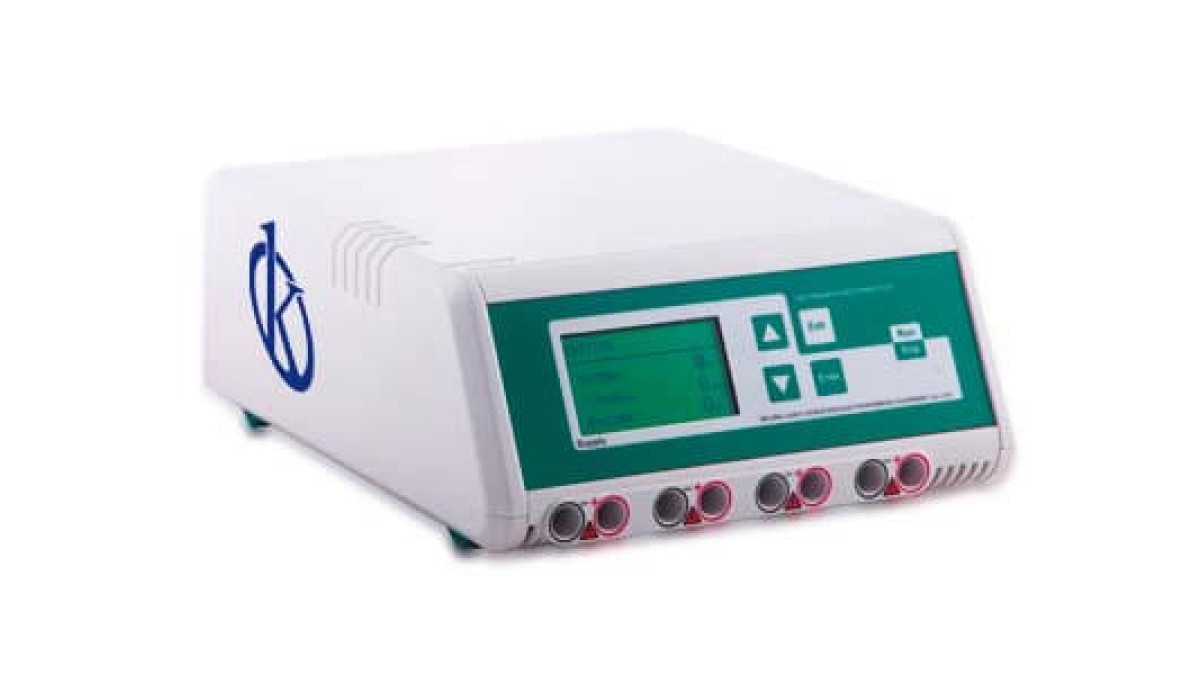
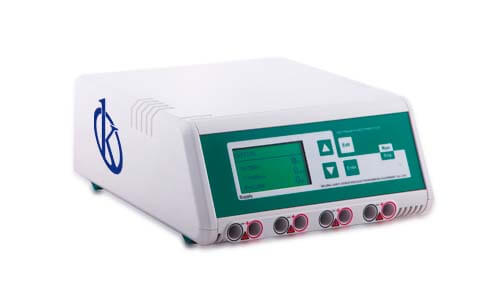
The Universal Power Supply is a crucial component in various laboratory settings, facilitating the provision of consistent and reliable power for a multitude of applications. In 2026, it is primarily utilized for powering electrophoresis equipment, analytical instruments, and other laboratory devices that require precise voltage and current control. Laboratories benefit from this equipment as it allows for a controlled environment to conduct experiments and ensures the integrity of the data collected.
History and evolution of the technology
The development of power supply technology has seen significant advancements, moving from basic analog devices to sophisticated digital units. Initially, power supplies were limited in functionality, providing fixed voltages and limited current output. However, the introduction of microprocessor-controlled systems in the late 20th century marked a pivotal change. By 2026, Universal Power Supplies have evolved to offer features such as programmable settings, real-time monitoring, and advanced safety mechanisms, enhancing user experience and laboratory efficiency.
How to use it step by step
Using a Universal Power Supply involves a systematic approach to ensure safety and accuracy. Here is a step-by-step guide:
- Setup: Place the power supply on a stable surface in a dry location.
- Connect the device: Use appropriate cables to connect the power supply to the equipment needing power.
- Power on: Turn on the power supply and monitor the LCD display for status updates.
- Select settings: Adjust the voltage, current, or power settings according to your experimental requirements.
- Run the experiment: Initiate your laboratory procedure, closely monitoring the power supply for any irregularities.
- Power down: After completing the experiment, safely power down the device and disconnect it.
Best techniques and protocols
To maximize the effectiveness of Universal Power Supplies, adhere to the following techniques and protocols:
- Always calibrate your equipment before initial use to ensure accuracy.
- Utilize the programmable features to set specific parameters for different experiments.
- Regularly check connections for wear and tear to prevent electrical faults.
- Implement a routine maintenance schedule to keep the device in optimal condition.
Practical applications by laboratory type
Universal Power Supplies find applications in various laboratory environments:
- Biochemistry labs: Power electrophoresis equipment for DNA and protein analysis.
- Physics laboratories: Provide stable power for experiments requiring precise measurements.
- Chemistry labs: Supply energy for reaction setups and analytical instruments.
Regulations, standards and certifications
When using Universal Power Supplies, it is crucial to comply with industry regulations and standards, such as:
- ISO certifications for quality management systems.
- CE marking ensuring compliance with European safety standards.
- UL certification for safety in the United States.
Comparison with alternative technologies
While Universal Power Supplies are versatile, alternatives such as linear power supplies and battery-operated devices exist. Linear supplies provide lower noise output but are bulkier and less efficient. On the other hand, battery-operated options offer portability but may lack the power stability needed for precise laboratory tasks.
Comparison of available models
| Model | Best for | Key specs | Recommended use case |
|---|---|---|---|
| YR03400-2 | High current applications | 10–600 V, 1–500 mA, 1–300 W | Electrophoresis experiments |
| YR03396-2 | Basic laboratory use | 5–300 V, 1–400 mA, 1–120 W | General lab experiments |
| YR03395-2 | High current and power needs | 5–200 V, 1–2000 mA, 1–200 W | Complex chemical reactions |
| YR03397-2 | Moderate to high applications | 5–300 V, 1–1500 mA, 1–450 W | Advanced analytical tasks |
| YR03398-2 | Versatile lab use | 10–600 V, 1–500 mA, 1–300 W | Diverse experimental setups |
| YR03399-2 | High flexibility setups | 10–600 V, 1–500 mA, 1–300 W | Complex electrophoresis |
Common mistakes and how to avoid them
When operating Universal Power Supplies, certain common mistakes can compromise results. Here are some pitfalls to avoid:
- Incorrect settings: Always double-check voltage and current settings before powering equipment.
- Neglecting safety protocols: Ensure all safety precautions are followed to avoid accidents.
- Improper connections: Verify wire connections to prevent short circuits and equipment damage.
Maintenance, calibration and good practices 2026
To ensure longevity and reliability, follow these maintenance and calibration practices:
- Regularly clean the power supply to prevent dust buildup.
- Calibrate the device according to the manufacturer’s recommendations, ideally every six months.
- Inspect all cables and connectors for wear and replace as necessary.
Cost-benefit analysis 2026
Investing in a Universal Power Supply can yield significant long-term benefits due to its versatility and reliability. Considering the initial cost versus the potential for increased productivity and precision, laboratories often find that the benefits outweigh the costs. Additionally, reduced downtime from equipment failures can further justify the investment.
Frequently asked questions
What should I consider when selecting a Universal Power Supply?
When choosing a Universal Power Supply, consider the required voltage and current ranges, the type of experiments you will conduct, and the presence of programmable features that can enhance operational efficiency.
How often should I calibrate my Universal Power Supply?
It is recommended to calibrate your Universal Power Supply at least once every six months or more frequently if used in critical applications.
Can I use a Universal Power Supply for different laboratory devices?
Yes, Universal Power Supplies are designed to accommodate various laboratory devices, making them versatile tools in any lab environment.
What safety features should I look for?
Look for models with built-in safety mechanisms such as overload protection, short-circuit protection, and automatic shutdown features to ensure safe operation.
Are there any limitations to using a Universal Power Supply?
While Universal Power Supplies are versatile, they may have limitations in terms of maximum output or may not be suitable for extremely specialized applications requiring specific power conditions.
How can I ensure my experiments are not affected by power fluctuations?
Utilizing a high-quality Universal Power Supply with stable output and features like voltage regulation can help mitigate the impact of power fluctuations on your experiments.
Where can I request a quote for a Universal Power Supply?
You can easily request a quote for a Universal Power Supply through Kalstein Plus, where you can find competitive pricing and more information tailored to your needs.
If you are looking for a fusion of innovation and quality, you have come to the right place. At Kalstein, we offer you the luxury of exploring our exclusive catalog of laboratory equipment. We manufacture every device to the highest standards of excellence. Our intuitive and seamless online purchasing channels are designed for your convenience, securing the most competitive prices. Hesitate no longer — we bring science to life, it is time to become part of our community.