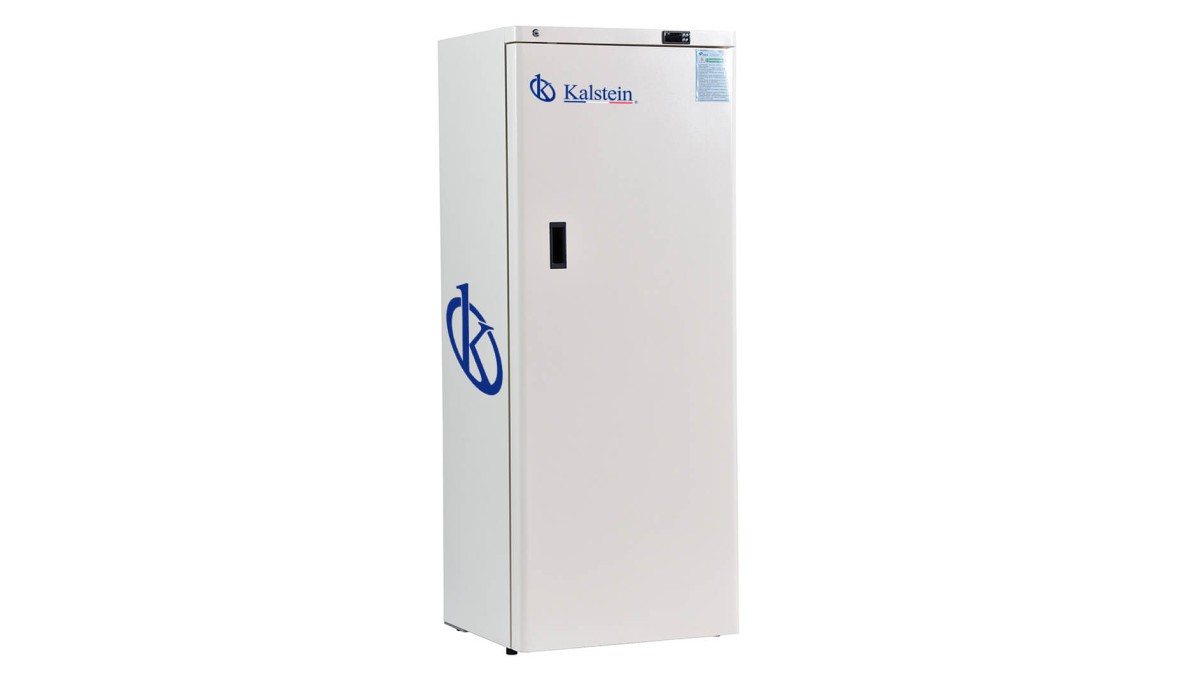
Upright Freezers: Applications in Research, Biotechnology, and Academia 2026
What is it used for in 2026
In 2026, upright freezers are essential in various laboratory and research settings, particularly in fields like biotechnology, medicine, and academia. These freezers are specifically designed to store biological materials, pharmaceuticals, and sensitive laboratory samples at ultra-low temperatures. They play a critical role in preserving the integrity of valuable specimens, such as blood samples, vaccines, and cell cultures. The precise temperature controls ensure that samples remain viable for extended periods, which is imperative in research and clinical settings.
History and evolution of the technology
Upright freezers have evolved significantly since their inception. Initially, standard freezers were used for laboratory purposes, limiting the temperature range and efficiency. With advancements in refrigeration technology, the introduction of upright freezers provided more reliable temperature control, energy efficiency, and user-friendly designs. The development of microprocessor controls has allowed for precise temperature settings and monitoring, along with safety alarms for any temperature fluctuations. This evolution has made upright freezers indispensable in contemporary laboratory practices.
How to use it step by step
Using an upright freezer effectively involves several steps:
- Temperature Setting: Adjust the temperature according to the requirements of the samples. Most upright freezers allow for settings between -10°C to -86°C.
- Loading Samples: Ensure that samples are properly labeled and organized before placing them in the freezer. Avoid overcrowding to allow for adequate air circulation.
- Monitoring: Regularly check the temperature display to ensure it remains stable. Use the alarm systems as a safeguard against temperature fluctuations.
- Maintenance Checks: Perform routine maintenance checks, including cleaning and defrosting if necessary, to ensure optimal performance.
- Record Keeping: Maintain a log of samples stored, temperatures, and any incidents of alarm activations for future reference.
Best techniques and protocols
To maximize the functionality and efficiency of upright freezers, consider the following techniques and protocols:
- Condense Storage: Use appropriate containers to maximize space without compromising the airflow.
- Labeling: Clearly label all items stored, including dates and contents, to prevent confusion and ensure organized inventory management.
- Temperature Calibration: Regularly calibrate temperature settings to maintain accuracy.
- Regular Audits: Conduct periodic audits of stored items to assess condition and relevance, ensuring expired materials are discarded properly.
Practical applications by laboratory type
Different types of laboratories utilize upright freezers for various purposes:
- Biological Research Labs: Store biological specimens such as DNA, RNA, and proteins.
- Clinical Labs: Preserve blood components, vaccines, and diagnostic samples.
- Pharmaceutical Companies: Ensure the stability of pharmaceutical products under controlled temperatures.
- Academic Institutions: Facilitate research projects that require long-term storage of biological samples.
Regulations, standards and certifications
Upright freezers must comply with various regulations and standards to ensure safety and effectiveness. In many countries, these include:
- FDA Regulations: For laboratories handling biological samples and pharmaceuticals.
- ISO Standards: For quality management systems ensuring consistent performance of laboratory equipment.
- CE Marking: Compliance with health, safety, and environmental protection standards for products sold within the European Economic Area.
Comparison with alternative technologies
Upright freezers serve distinct purposes compared to other cooling technologies:
- Chest Freezers: While chest freezers offer more storage capacity, upright freezers provide better organization and accessibility.
- Liquid Nitrogen Storage: Provides ultra-cold storage but requires more handling and safety precautions. Upright freezers offer a more stable environment.
- Refrigerators: Used for higher temperature storage. Freezers offer lower temperatures necessary for biological preservation.
Comparison of available models
| Model | Best for | Key specs | Recommended use case |
|---|---|---|---|
| YR05097 | General laboratory use | -10C ~ -25C, 180W, 7 drawers | Storing general samples and biological materials. |
| YR05297 | Ultra-low temperature storage | -40C ~ -86C, 870W, 3 shelves | Long-term storage of critical biological materials. |
| YR05296 | Biological specimen preservation | -40C ~ -86C, 810W, 3 shelves | Blood banks and medical research facilities. |
| YR05295 | High capacity storage | -10C ~ -25C, 2 compressors, 936L | Large volume sample storage in laboratories. |
| YR05294 | Vaccines and plasma storage | -10C ~ -25C, 1030 USD, 328L | Storage of sensitive biological materials. |
| YR05293 | Biomedical applications | -10C ~ -25C, 840W, 268L | Storing laboratory supplies in biomedicine. |
Common mistakes and how to avoid them
Common mistakes in using upright freezers include:
- Overloading: Avoid overcrowding the freezer, as it disrupts airflow and temperature consistency.
- Ignoring Maintenance: Regular maintenance is crucial for optimal performance; neglect can lead to failures.
- Incorrect Temperature Setting: Always ensure that the freezer is set to the appropriate temperature for the materials stored.
Maintenance, calibration and good practices 2026
To ensure longevity and efficiency of upright freezers, follow these maintenance practices:
- Regular Cleaning: Clean the interior and exterior surfaces regularly to prevent contamination.
- Calibration: Conduct regular temperature calibration checks to ensure accuracy.
- Inspection: Inspect seals and gaskets for integrity to avoid temperature loss.
Cost-benefit analysis 2026
Investing in upright freezers can provide significant benefits, including:
- Sample Preservation: Maintaining samples at optimal temperatures decreases the risk of degradation, saving costs associated with lost samples.
- Energy Efficiency: Many modern models offer improved energy consumption, ultimately reducing operating costs.
- Enhanced Research Capabilities: Access to reliable storage enables laboratories to undertake a wider range of experiments and studies.
Frequently asked questions
What temperature should I set my upright freezer for biological samples?
It is generally recommended to set upright freezers for biological samples between -40°C and -86°C, depending on the specific requirements of the materials being stored.
How often should I perform maintenance on my upright freezer?
Regular maintenance should be carried out at least once every three months, including cleaning and temperature checks, to ensure optimal performance.
Can I store different types of samples in the same freezer?
While it is possible to store different samples in the same freezer, it is essential to ensure that the temperature requirements are compatible and that samples are appropriately labeled and organized.
What are the signs that my upright freezer needs servicing?
Signs that your upright freezer may need servicing include inconsistent temperatures, unusual noises, or frequent alarm activations.
How do I prevent frost buildup in my upright freezer?
To prevent frost buildup, ensure that the freezer door is kept closed and that the seals are intact. Regular defrosting may also be necessary for some models.
What should I do during a power outage to protect my samples?
During a power outage, keep freezer doors closed to maintain internal temperatures. Have a backup power plan in place for critical samples.
Where can I find reliable upright freezers for my lab?
You can explore a variety of upright freezers designed for laboratory use through specialized suppliers and manufacturers, ensuring you select one that meets your specific needs.
If you are looking for a fusion of innovation and quality, you have come to the right place. At Kalstein, we offer you the luxury of exploring our exclusive catalog of laboratory equipment. We manufacture every device to the highest standards of excellence. Our intuitive and seamless online purchasing channels are designed for your convenience, securing the most competitive prices. Hesitate no longer — we bring science to life, it is time to become part of our community.