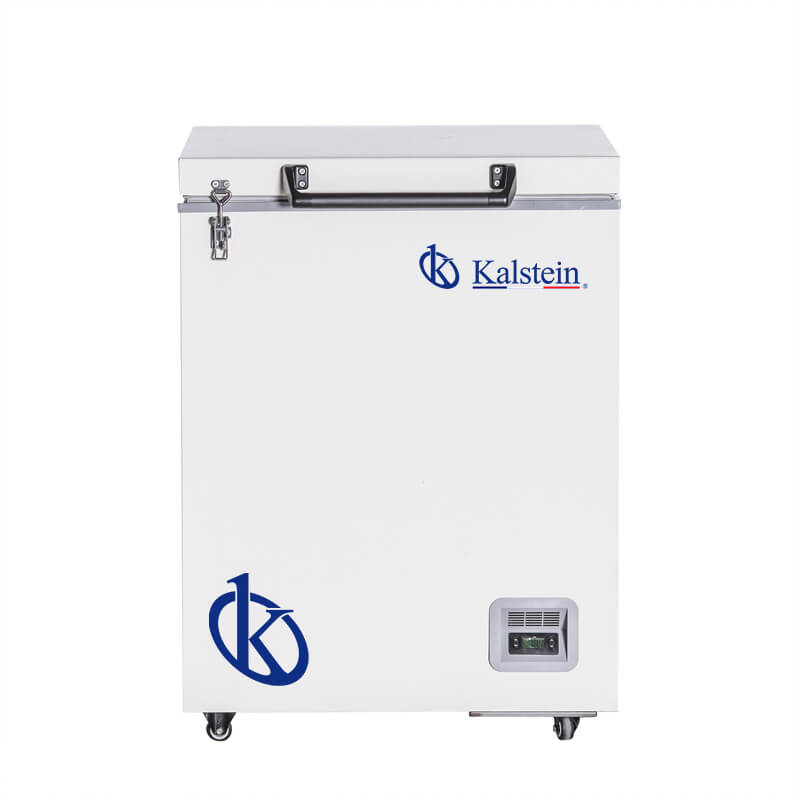
How to Utilize Chest Freezers in University Research Projects
In the realm of university research, cold storage solutions are essential for preserving samples, reagents, and biological materials. Chest freezers, with their robust design and efficient cooling capabilities, are often implemented in academic laboratories to ensure optimal conditions for various projects. This article delves into the usage cases of chest freezers in university research and academic projects, comparing different models to help researchers make informed decisions.
Understanding the Importance of Chest Freezers in Academic Research
Chest freezers are an integral part of laboratory infrastructure, particularly within university settings. They serve multiple purposes, from storing biological specimens and chemical reagents to maintaining the integrity of sensitive research materials. In academic laboratories, where research integrity and reproducibility are paramount, the importance of reliable cold storage cannot be overstated.
The ability to maintain stable low temperatures is crucial for biological samples, particularly those that are temperature-sensitive. Chest freezers provide a solution with temperature ranges that can go as low as -86°C, which is essential for preserving cellular structures and active enzymes. Furthermore, their larger storage capacity compared to upright freezers allows for better organization and easier access to samples, which is particularly beneficial in a bustling research environment.
Key Features to Consider When Selecting a Chest Freezer for Research
When choosing a chest freezer for university research, certain features should be prioritized:
- Temperature Range: A wider temperature range allows for flexibility in storage.
- Energy Efficiency: Choose models that minimize energy consumption without sacrificing performance.
- Alarm Systems: Built-in alarms for high and low temperatures help maintain sample integrity.
- Storage Capacity: Larger models accommodate more samples, pivotal for research teams with extensive needs.
- Ease of Use: Digital displays and user-friendly interfaces enhance operational efficiency.
Comparison of Available Models
| Model | Temperature Range (°C) | Energy Consumption (kWh/24h) | Noise Level (dB) | Best for |
|---|---|---|---|---|
| YR05102 | -10 to -40 | 1.65 | 50 | General sample storage |
| YR05103 | -10 to -40 | 1.68 | 52 | General sample storage |
| YR05104 | -20 to -40 | 3.45 | 55 | Long-term storage of sensitive materials |
| YR05314 | -40 to -86 | 11.5 | 54.5 | Ultra-low temperature applications |
| YR05313 | -40 to -86 | 3.8 | 50 | Small-scale ultra-low storage |
| YR05315 | -25 to -60 | 3.2 | 53 | Storage of biomedical samples |
Applications of Chest Freezers in University Research
Chest freezers find extensive applications in various fields of university research, including but not limited to:
- Biological Research: Preserving cellular samples and microbiological cultures.
- Chemistry Labs: Storing reagents that require low temperatures to maintain stability.
- Biomedical Studies: Keeping vaccines and sensitive biologics at required temperatures.
- Environmental Science: Storing environmental samples for analysis and testing.
Common Mistakes and How to Avoid Them
In the selection and usage of chest freezers, researchers often make the following mistakes:
- Inadequate Temperature Monitoring: Failing to regularly check and calibrate temperature settings can lead to sample degradation.
- Poor Organization: Disorganized storage can waste time and lead to errors. Implementing a labeling system can help.
- Ignoring Energy Consumption: Not considering energy efficiency can result in high operational costs. Opt for models like YR05102 and YR05103 for better efficiency.
- Overloading the Freezer: Exceeding the capacity can hinder airflow, affecting performance. Always adhere to manufacturer guidelines.
Frequently Asked Questions
What is the optimal temperature range for storing biological samples in chest freezers?
The optimal temperature range for storing biological samples is typically between -40°C to -86°C. Models like the YR05314 and YR05313 are ideal for ultra-low temperature storage, ensuring the samples remain viable for long periods.
How do I ensure the reliability of my chest freezer in a university lab?
To ensure reliability, it is essential to regularly maintain and calibrate your chest freezer. Incorporating models like YR05104, which feature advanced alarm systems, can help monitor temperature fluctuations and prevent sample compromise.
Which chest freezer model is best for preserving vaccines?
The YR05315 model is best for preserving vaccines due to its adjustable temperature range from -25°C to -60°C, making it suitable for various vaccination storage requirements in university research settings.
How can I improve energy efficiency in my lab's chest freezer usage?
Improving energy efficiency can be achieved by selecting energy-efficient models, such as YR05102, and by conducting regular maintenance checks. Additionally, keeping the freezer well-organized can reduce the frequency of opening the door, minimizing energy loss.
What features should I look for in a chest freezer for chemical reagent storage?
For chemical reagent storage, look for a chest freezer with an adjustable temperature range, energy efficiency, and alarm systems for high and low temperatures. Models like YR05103 provide robust features for such applications.
How much capacity do I need for a university research lab's chest freezer?
The required capacity depends on the specific needs of your research projects. For general storage, a model like YR05102, which offers a good balance of storage and performance, can cater to most academic requirements.
What are the maintenance tips for chest freezers in a research environment?
Maintenance tips include regular temperature checks, cleaning the condenser coils, and ensuring that seals are intact. Models like YR05104 are designed with easy maintenance in mind, which can enhance their longevity in a university lab setting.
How to avoid sample loss in chest freezers?
To avoid sample loss, ensure that your chest freezer is well-maintained, regularly monitored, and not overloaded. Utilizing models with reliable alarm systems, like the YR05314, can alert you to any temperature deviations that may threaten sample integrity.
If you are looking for a fusion of innovation and quality, you have come to the right place. At Kalstein, we offer you the luxury of exploring our exclusive catalog of laboratory equipment. We manufacture every device to the highest standards of excellence. Our intuitive and seamless online purchasing channels are designed for your convenience, securing the most competitive prices. Hesitate no longer — we bring science to life, it is time to become part of our community.