Vacuum Ovens: Techniques and Protocols for 2026
What is it used for in 2026
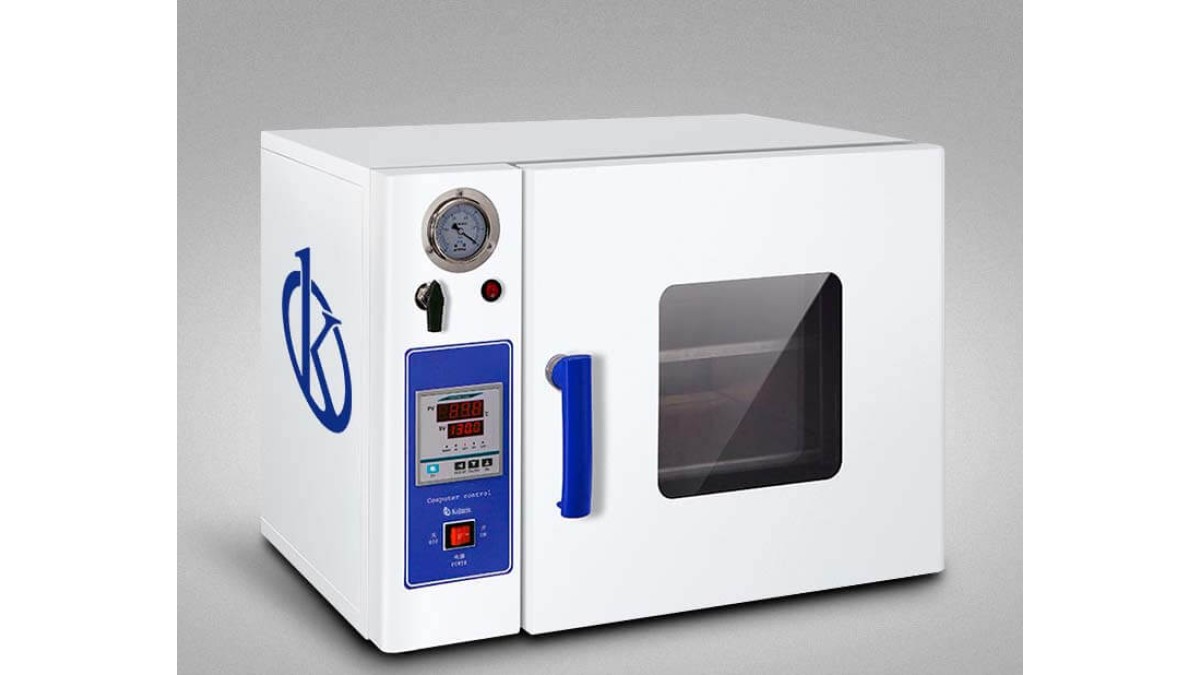
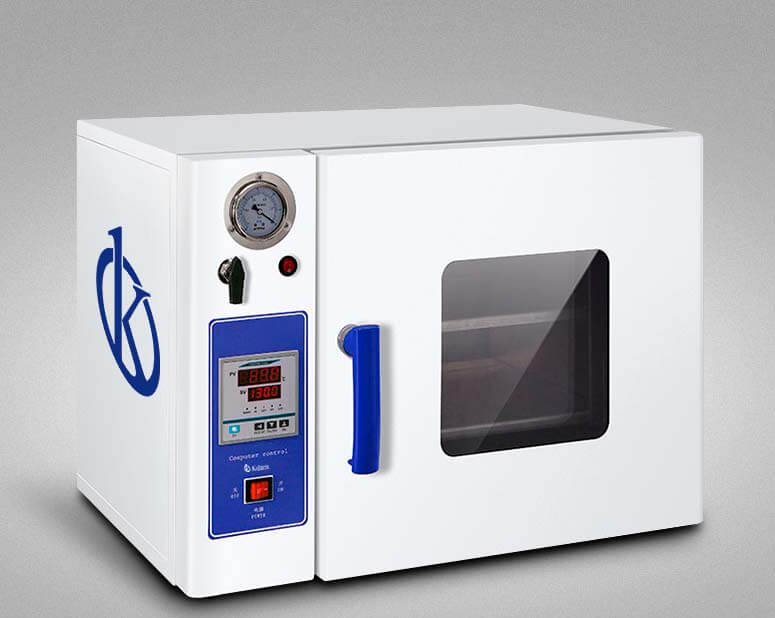
In 2026, vacuum ovens are essential laboratory equipment widely utilized in various fields including biochemistry, pharmaceuticals, agriculture, and environmental protection. These ovens are primarily used for the drying and toasting of powders, as well as for the sterilization and disinfection of glassware. Their ability to operate under reduced pressure allows for the quick and efficient drying of heat-sensitive materials, complex compositions, and samples that are prone to oxidation.
History and evolution of the technology
The concept of vacuum drying dates back to the early 20th century, where it was first implemented in chemical laboratories for the preservation of sensitive compounds. Over the years, advancements in materials and technology have led to the development of more efficient vacuum ovens. Modern models incorporate digital controls, enhanced insulation, and advanced vacuum systems, making them indispensable tools in contemporary laboratories. The evolution reflects a significant shift towards precision and reliability, catering to the demanding standards of modern scientific research.
How to use it step by step
Using a vacuum oven involves several crucial steps to ensure optimal results:
- Preparation: Begin by cleaning and inspecting the oven to ensure it is free of contamination.
- Loading samples: Place the samples in the oven on appropriate racks or trays, ensuring they are spaced adequately to allow airflow.
- Setting parameters: Program the desired temperature and time settings. For most models, temperatures range from RT + 5°C to 250°C.
- Creating vacuum: Activate the vacuum pump to lower the internal pressure, monitoring the process to achieve the desired vacuum level.
- Drying process: Allow the oven to run for the specified duration, keeping an eye on the temperature stability and vacuum integrity.
- Post-processing: Once completed, carefully release the vacuum, and allow samples to equilibrate to room temperature before removal.
Best techniques and protocols
To maximize efficiency when using vacuum ovens, consider the following techniques:
- Pre-drying: Pre-dry samples using blotting or centrifugation to reduce moisture content before vacuum drying.
- Vacuum calibration: Regularly calibrate vacuum pressure settings to maintain consistency across experiments.
- Sample monitoring: Use temperature probes or data loggers to continuously monitor the internal conditions during the process.
- Batch processing: If dealing with numerous samples, process them in batches to streamline efficiency while maintaining uniform conditions.
Practical applications by laboratory type
Vacuum ovens find applications across various laboratory types:
- Biochemistry: Used for drying sensitive biological samples without compromising their integrity.
- Pharmaceuticals: Ideal for the preparation of drug formulations requiring precise moisture content.
- Agricultural research: Useful in the drying of plant materials for chemical analysis.
- Environmental testing: Employed in the preparation of soil and water samples for contaminant analysis.
Regulations, standards and certifications
Compliance with regulations and standards is critical in laboratory operations. Vacuum ovens must adhere to guidelines from entities such as:
- ISO 9001: Ensures quality management systems are in place.
- ASTM Standards: Provides protocols for testing and material specifications relevant to vacuum drying.
- FDA Regulations: For applications in pharmaceuticals, compliance with FDA standards is necessary for safety and efficacy.
Comparison with alternative technologies
Vacuum ovens offer specific advantages over other drying technologies, such as conventional ovens and freeze dryers:
- Efficiency: Vacuum ovens operate at lower temperatures, reducing the risk of thermal degradation.
- Speed: The vacuum environment accelerates the drying process compared to traditional methods.
- Safety: Reduced oxidation risk makes vacuum ovens preferable for sensitive samples.
Comparison of available models
| Model | Best for | Key specs | Recommended use case |
|---|---|---|---|
| YR05260-A | General laboratory use | Voltage: 220V, Temperature Range: RT + 5 ~ 250°C, Power: 0.9kW | Drying heat-sensitive materials efficiently. |
| YR05261-A | Pharmaceutical preparations | Voltage: 220V, Temperature Range: RT + 5 ~ 250°C, Power: 0.9kW | Handling complex formulations with precision. |
| YR05262-SS | Biological sample preservation | Voltage: 220V, Temperature Range: RT + 5 ~ 250°C, Power: 1.4kW | Preserving integrity of sensitive samples. |
| YR05263-SS | Agricultural research | Voltage: 220V, Temperature Range: RT + 5 ~ 250°C, Power: 1.4kW | Preparing plant materials for analysis. |
| YR05264-A | Environmental testing | Voltage: 220V, Temperature Range: RT + 5 ~ 250°C, Power: 0.9kW | Drying soil and water samples. |
| YR05265-SS | General laboratory use | Voltage: 220V, Temperature Range: RT + 5 ~ 250°C, Power: 1.4kW | Versatile drying applications. |
Common mistakes and how to avoid them
When using vacuum ovens, be aware of common pitfalls and how to circumvent them:
- Overloading: Avoid placing too many samples at once, which can hinder airflow and drying efficiency.
- Ignoring vacuum levels: Always monitor vacuum levels to ensure optimal drying conditions.
- Temperature mismanagement: Regularly calibrate your oven to maintain accurate temperature settings.
Maintenance, calibration and good practices 2026
Proper maintenance and calibration are vital for the longevity of vacuum ovens:
- Regular cleaning: Clean the interior and exterior surfaces after each use to prevent contamination.
- Calibration checks: Conduct routine calibration checks for temperature and vacuum pressure.
- Inspections: Perform periodic inspections of vacuum seals and gaskets for wear and tear.
Cost-benefit analysis 2026
Investing in a vacuum oven can yield significant benefits:
- Increased efficiency: Faster drying times can lead to higher throughput in lab operations.
- Improved sample integrity: Reduced thermal degradation preserves the quality of sensitive samples.
- Long-term savings: Although initial costs may be higher, the durability and efficiency of vacuum ovens justify the investment over time.
Frequently asked questions
What should I consider when choosing a vacuum oven?
When selecting a vacuum oven, consider the temperature range, vacuum level, and capacity that best fit your laboratory’s specific needs. Additionally, look into the construction material, as stainless steel options provide enhanced durability and ease of cleaning.
How do I ensure optimal performance of my vacuum oven?
To ensure optimal performance, regularly calibrate the oven, maintain clean interiors, and check vacuum seals. Also, avoid overloading the oven to ensure efficient airflow and drying.
Can I use a vacuum oven for all types of materials?
While vacuum ovens are versatile, they are best suited for heat-sensitive and moisture-sensitive materials. Avoid using them for materials that can outgas or produce volatile compounds that may affect the vacuum state.
How often should I perform maintenance on my vacuum oven?
Maintenance should be performed after each use, including cleaning and inspection of seals and gaskets. Calibration checks should be conducted periodically, depending on usage frequency.
What are the safety precautions while using a vacuum oven?
Always wear appropriate personal protective equipment (PPE) when operating the oven. Ensure that the area is well-ventilated, and never exceed the recommended temperature settings to avoid accidents.
What unique applications do vacuum ovens have in the pharmaceutical industry?
In the pharmaceutical sector, vacuum ovens are used for drying active pharmaceutical ingredients (APIs) and formulation processes that require precise moisture control to ensure efficacy and stability of products.
Where can I request a quote for a vacuum oven?
You can request a quote through the relevant channels provided for laboratory equipment. Exploring options that fit your budget and needs is crucial for making an informed decision.
If you are looking for a fusion of innovation and quality, you have come to the right place. At Kalstein, we offer you the luxury of exploring our exclusive catalog of laboratory equipment. We manufacture every device to the highest standards of excellence. Our intuitive and seamless online purchasing channels are designed for your convenience, securing the most competitive prices. Hesitate no longer — we bring science to life, it is time to become part of our community.