Vertical Autoclaves: Common Mistakes and How to Avoid Them in Daily Operations 2026
What is it used for in 2026
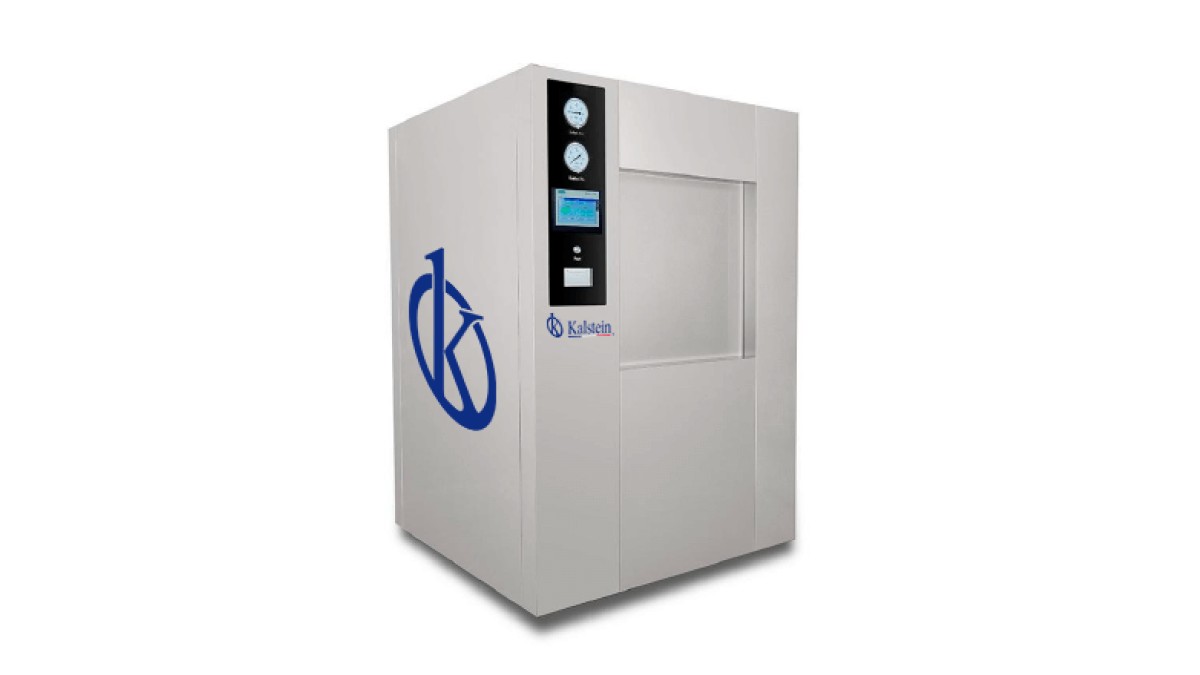
Vertical autoclaves play a crucial role in sterilization processes in laboratories, clinical settings, and industrial applications. Their primary function is to eliminate all forms of microbial life, including bacteria, viruses, fungi, and spores, ensuring that tools and materials are safe for use in scientific experiments and medical procedures. In 2026, the demand for efficient sterilization technologies has led to the refinement of vertical autoclaves, making them a staple in laboratories that require thorough and reliable sterilization methods.
History and evolution of the technology
The history of autoclaves dates back to the 19th century when they were first introduced as pressure cookers for food preservation. Over time, the technology evolved, with advancements in materials and safety features leading to the modern vertical autoclaves we utilize today. The incorporation of automated systems and digital controls has made these machines more user-friendly and efficient, allowing for precise temperature and pressure regulation, which is crucial for effective sterilization.
How to use it step by step
Using a vertical autoclave involves several critical steps to ensure proper operation:
1. **Preparation:** Gather the items to be sterilized and ensure they are clean and dry. Place them in the autoclave chamber without overcrowding.
2. **Loading:** Open the autoclave door and load the items on the trays, ensuring proper air circulation.
3. **Setting parameters:** Close the door securely and set the desired temperature, pressure, and sterilization time based on the material being sterilized.
4. **Running the cycle:** Start the autoclave and monitor the display for any errors or warnings during the cycle.
5. **Cooling down:** After the cycle completes, allow the autoclave to cool down before opening the door to prevent burns.
6. **Unloading:** Carefully remove the sterilized items while wearing appropriate personal protective equipment (PPE).
Best techniques and protocols
To maximize the sterilization efficiency of vertical autoclaves, laboratory professionals should adhere to established best practices:
- **Pre-vacuum cycles:** Utilize pre-vacuum cycles for items that are porous or contain air pockets.
- **Proper packaging:** Use appropriate materials for packaging items to be sterilized, ensuring they allow steam penetration.
- **Regular validation:** Conduct regular validation and verification of sterilization processes to ensure compliance with established protocols.
- **Documentation:** Maintain thorough records of sterilization cycles for quality assurance and regulatory compliance.
Practical applications by laboratory type
Vertical autoclaves are widely used across various laboratory types, including:
- **Microbiology Labs:** Sterilizing media, instruments, and glassware to prevent microbial contamination.
- **Clinical Labs:** Ensuring that surgical instruments and other medical tools are free from pathogens.
- **Research Facilities:** Preparing samples and materials for experiments in a sterile environment.
- **Pharmaceutical Labs:** Sterilizing production equipment and validating processes to comply with regulatory standards.
Regulations, standards and certifications
Laboratories using vertical autoclaves must comply with various regulations and standards, including ISO 13485 for medical devices and ASTM standards for sterilization processes. Regular audits and certifications are essential to ensure compliance with safety and operational standards.
Comparison with alternative technologies
While vertical autoclaves are highly effective, laboratories may also consider alternative sterilization methods such as:
- **Ethylene oxide sterilization:** Useful for heat-sensitive materials but requires extensive aeration.
- **Chemical sterilization:** Fast and effective but may leave residues on instruments.
- **Radiation sterilization:** Suitable for single-use items but involves significant safety considerations.
Comparatively, vertical autoclaves provide a robust solution for a wide range of materials without the need for hazardous chemicals.
Comparison of available models
| Model | Best for | Key specs | Recommended use case |
|---|---|---|---|
| YR05653 | CSSD, laboratories | Price: $13,030.00, 0-999 min sterilization time | General sterilization of instruments |
| YR05653-1 | CSSD, laboratories | Price: $14,394.00, 0-999 min sterilization time | General sterilization of instruments |
| YR05655 | High-temperature resistant items | Price: $724.00, 0-999 min sterilization time | Sterilization of heat-resistant items |
| YR05656 | High-temperature resistant items | Price: $853.00, 0-999 min sterilization time | Sterilization of heat-resistant items |
| YR05657 | High-temperature resistant items | Price: $1,210.00, 0-999 min sterilization time | Sterilization of heat-resistant items |
| YR05658 | High-temperature resistant items | Price: $1,448.00, 0-999 min sterilization time | Sterilization of heat-resistant items |
Common mistakes and how to avoid them
Common mistakes in operating vertical autoclaves can lead to ineffective sterilization, including:
- **Overloading the chamber:** This can prevent proper steam penetration. Always adhere to manufacturer loading guidelines.
- **Inadequate pre-cleaning:** Items must be thoroughly cleaned before sterilization to prevent bioburden.
- **Ignoring maintenance schedules:** Regular maintenance is essential to ensure optimal performance and safety. Follow the manufacturer's guidelines for calibration and servicing.
Maintenance, calibration and good practices 2026
Regular maintenance of vertical autoclaves is critical for ensuring their longevity and reliability. This includes:
- **Daily inspections:** Check for leaks, proper door sealing, and that all displays are functioning correctly.
- **Monthly cleaning:** Clean the chamber and seals to prevent buildup of residues.
- **Annual calibration:** Ensure that temperature and pressure gauges are calibrated to maintain accuracy.
Following these good practices minimizes downtime and ensures compliance with safety standards.
Cost-benefit analysis 2026
Investing in vertical autoclaves can yield significant long-term benefits. The cost of initial purchase may be high, but the returns through enhanced operational efficiency, reduced labor costs associated with manual sterilization methods, and improved compliance with health regulations make it a worthwhile investment. Additionally, the durability and reliability of modern autoclaves minimize replacement costs over time.
Frequently asked questions
What should I consider when choosing a vertical autoclave?
When selecting a vertical autoclave, consider factors such as the capacity, the types of materials you will sterilize, the required cycle times, and regulatory compliance requirements. Evaluating these aspects will help you choose a model that fits your laboratory's needs.
How often should I perform maintenance on my autoclave?
Maintenance schedules can vary by manufacturer, but generally, daily inspections, monthly cleanings, and annual calibrations are recommended to ensure optimal performance and safety.
Can I sterilize liquids in a vertical autoclave?
Yes, many vertical autoclaves can sterilize liquids, but it is essential to refer to the manufacturer’s instructions to ensure proper procedures are followed, as certain precautions may be necessary to avoid boiling over or spillage.
What types of materials can be sterilized in a vertical autoclave?
Vertical autoclaves can sterilize a wide range of materials, including surgical instruments, laboratory glassware, and heat-resistant media. It is crucial to ensure that the materials are compatible with steam sterilization.
How do I ensure effective sterilization in my autoclave?
To ensure effective sterilization, always load the autoclave according to the manufacturer's specifications, use appropriate packaging materials, and follow the recommended cycles for different types of items. Regular validation of the sterilization process is also essential.
Is it necessary to document sterilization cycles?
Yes, documenting sterilization cycles is necessary for compliance with regulatory standards and for maintaining quality assurance in laboratory practices. It allows for tracking and verification of sterilization effectiveness.
If you are looking for a fusion of innovation and quality, you have come to the right place. At Kalstein, we offer you the luxury of exploring our exclusive catalog of laboratory equipment. We manufacture every device to the highest standards of excellence. Our intuitive and seamless online purchasing channels are designed for your convenience, securing the most competitive prices. Hesitate no longer — we bring science to life, it is time to become part of our community.