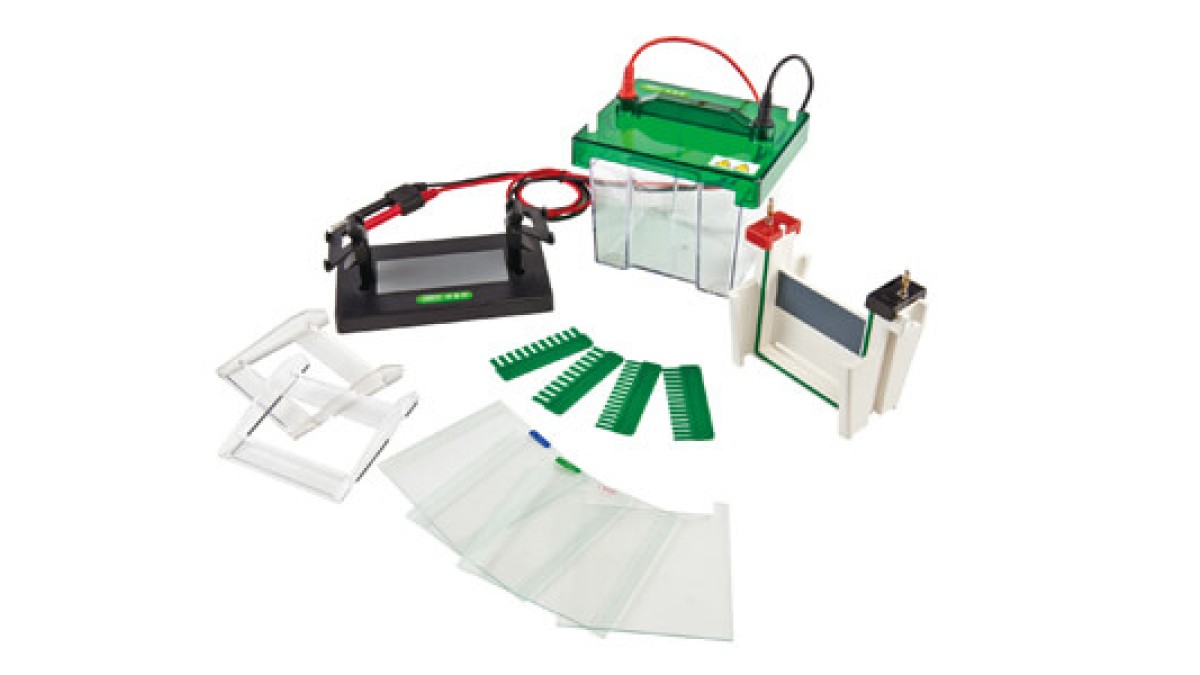
Vertical Electrophoresis: A Practical Step-by-Step Guide in 2026
What is it used for in 2026
In 2026, Vertical Electrophoresis plays a crucial role in protein separation, particularly in laboratories focused on biochemical and molecular biology research. This method allows researchers to analyze complex protein mixtures by separating them based on size and charge. It is especially useful in applications such as protein purification, characterization, and analysis of post-translational modifications. The vertical setup provides greater resolution compared to horizontal systems, making it ideal for high-performance applications.
History and evolution of the technology
The technology of electrophoresis has evolved significantly since its inception. Originally developed in the early 20th century, electrophoresis was primarily used for the separation of nucleic acids. As the field advanced, researchers began to adapt the technique for protein analysis, leading to the development of vertical electrophoresis systems. Over time, improvements in gel formulation, buffer systems, and detection methods enhanced the efficiency and accuracy of protein separation, making vertical electrophoresis a staple in modern laboratories.
How to use it step by step
Using a vertical electrophoresis system involves several key steps:
- Preparation of Samples: Isolate and quantify the protein samples to be analyzed. Ensure that samples are prepared in an appropriate loading buffer.
- Gel Preparation: Choose the right gel concentration based on the size of the proteins. Prepare the gel according to the specific model's instructions, ensuring it sets properly.
- Loading the Gel: Carefully load the protein samples into the wells of the gel, ensuring not to pierce the gel with the pipette tips.
- Electrophoresis Setup: Assemble the electrophoresis unit, ensuring that all connections are secure. Fill the tank with the appropriate running buffer.
- Running the Gel: Apply voltage as per the protocol. Monitor the progress of electrophoresis to ensure optimal separation.
- Post-Electrophoresis: After running the gel, turn off the power, remove the gel, and perform staining or blotting as required for visualization.
Best techniques and protocols
Adhering to best techniques and protocols can significantly improve results in vertical electrophoresis. Key recommendations include:
- Utilize freshly prepared buffers to maintain pH stability.
- Optimize gel concentration based on the target protein sizes for better resolution.
- Control the running temperature to prevent overheating, which can distort protein bands.
- Use proper sample loading techniques to ensure an even distribution across the wells.
Practical applications by laboratory type
Vertical electrophoresis finds application across various laboratory types:
- Biochemistry Labs: Used for protein purification and analysis of enzymatic activity.
- Clinical Labs: Helps in diagnostic tests, such as serum protein electrophoresis for disease identification.
- Research Institutions: Employed in protein characterization studies, especially in drug development and proteomics.
Regulations, standards and certifications
Compliance with regulations and standards is crucial in laboratory settings. Vertical electrophoresis equipment must adhere to safety and quality standards such as ISO 9001 and Good Laboratory Practices (GLP). Regular maintenance and calibration are essential to meet these standards, ensuring the reliability of results.
Comparison with alternative technologies
Vertical electrophoresis competes with other protein separation techniques, notably:
- Horizontal Electrophoresis: More suited for nucleic acids but less efficient for proteins in terms of resolution.
- Capillary Electrophoresis: Offers high resolution and speed but may not be as accessible for bulk protein analysis.
- Chromatography: A powerful technique for purification but often requires complex setups and more time.
Comparison of available models
| Model | Best for | Key specs | Recommended use case |
|---|---|---|---|
| YR03425 | Protein separation | Dimensions: 150x120x115 mm, Weight: 1.5 kg, Price: $303.00 | Small-scale protein analysis and separation |
| YR03426 | Multi-gel casting | Dimensions: 220x170x120 mm, Weight: 2.5 kg, Price: $405.00 | Batch processing of protein samples |
| YR03427 | Flexible sample load | Dimensions: 175x175x100 mm, Weight: 2.5 kg, Price: $517.20 | Versatile applications in protein research |
| YR03428 | High throughput | Dimensions: 280x140x135 mm, Weight: 3.2 kg, Price: $173.40 | Large-scale protein analysis |
| YR03429 | Comprehensive analysis | Dimensions: 280x140x250 mm, Weight: 5.6 kg, Price: $238.20 | In-depth characterization of protein mixtures |
| YR03430 | Rapid results | Dimensions: 280x140x136 mm, Weight: 3.2 kg, Price: $339.60 | Time-sensitive protein separation projects |
Common mistakes and how to avoid them
Common pitfalls in vertical electrophoresis include:
- Inconsistent Sample Loading: Always use a consistent volume and technique for loading samples to ensure reproducibility.
- Improper Buffer Preparation: Double-check buffer pH and concentration before use.
- Neglecting Gel Quality: Ensure gels are properly polymerized and free of bubbles.
Maintenance, calibration and good practices 2026
Regular maintenance is essential for optimal performance:
- Clean the electrophoresis tank and gel casting trays after each use.
- Calibrate equipment regularly to ensure accuracy.
- Store gels correctly to prevent degradation.
Cost-benefit analysis 2026
When evaluating the cost-benefit of vertical electrophoresis systems, consider the initial investment versus the efficiency and resolution they provide. The price range of different models allows laboratories to select according to their budget and requirements, ensuring that even smaller labs can access high-quality equipment.
Frequently asked questions
What are the main factors to consider when choosing a vertical electrophoresis system?
Consider the types of proteins you will be analyzing, the volume of samples, required resolution, and the budget available. Different models cater to various needs.
How can I ensure optimal protein separation using vertical electrophoresis?
Optimize gel concentration and buffer conditions, maintain consistent sample loading techniques, and monitor the running time closely to achieve optimal results.
What safety precautions should I take when using vertical electrophoresis equipment?
Always wear appropriate personal protective equipment (PPE), handle chemicals with care, and ensure all electrical connections are secure before operation.
Can I use vertical electrophoresis for nucleic acid analysis?
While vertical electrophoresis is primarily designed for proteins, certain modifications allow for its use with nucleic acids, though horizontal systems are generally preferred.
What are the common troubleshooting steps for vertical electrophoresis?
Check for buffer concentration, gel quality, and sample loading issues. If bands are smeared or not distinct, these factors are often the cause.
How often should I calibrate my vertical electrophoresis equipment?
Calibration should be performed regularly, ideally quarterly, or after any significant repairs or maintenance to ensure accuracy.
How can I request a quote for vertical electrophoresis systems?
You can easily request a quote by contacting our sales team through our online portal, where you can specify your needs and receive tailored solutions.
If you are looking for a fusion of innovation and quality, you have come to the right place. At Kalstein, we offer you the luxury of exploring our exclusive catalog of laboratory equipment. We manufacture every device to the highest standards of excellence. Our intuitive and seamless online purchasing channels are designed for your convenience, securing the most competitive prices. Hesitate no longer — we bring science to life, it is time to become part of our community.