Vertical Laminar Flow Clean Benches: Practical Applications and Techniques 2026
What is it used for in 2026
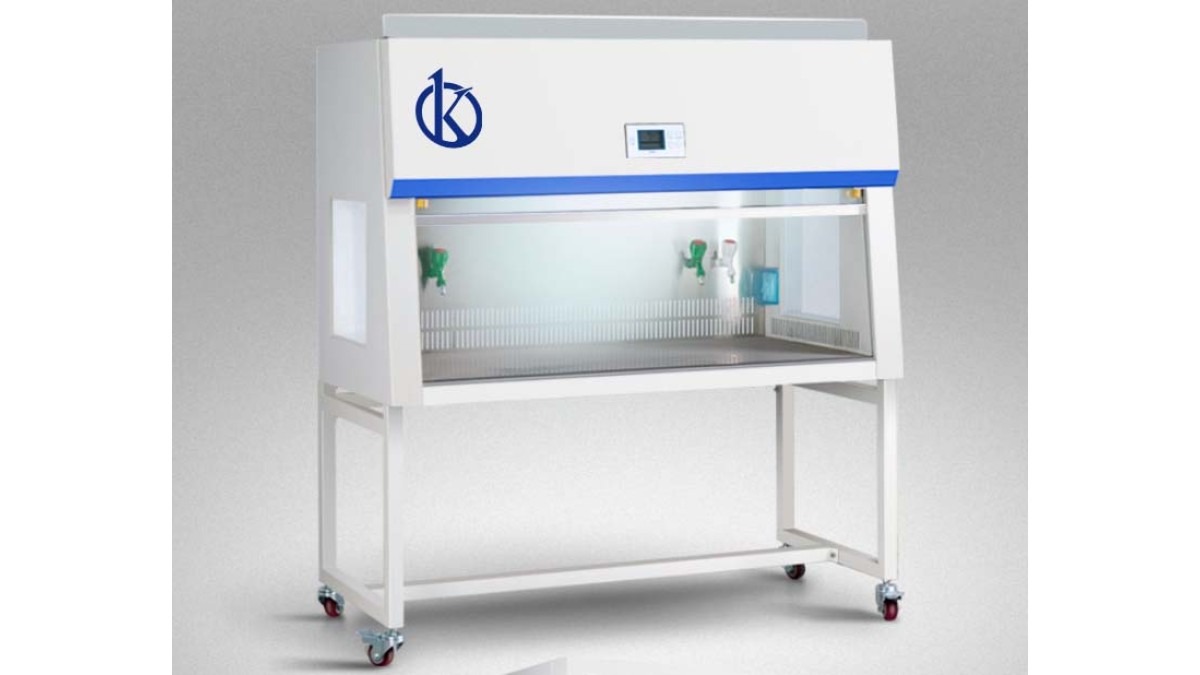
In 2026, Vertical Laminar Flow Clean Benches are crucial for maintaining a sterile environment in laboratories, particularly in clinical and hospital settings. These units are designed to provide a continuous flow of filtered air that protects samples, materials, and the operator from contamination. Common applications include working with biological samples, pharmaceuticals, and sensitive electronics, where the integrity of the work environment is paramount. They are essential in preventing particulate and microbial contamination, making them a cornerstone in laboratory protocols.
History and evolution of the technology
The technology behind Laminar Flow Clean Benches has evolved significantly since its inception. Initially developed in the mid-20th century for use in sterile environments, these benches have improved in terms of airflow design, filtration efficiency, and user interface. Over time, advancements such as HEPA filters, improved airflow dynamics, and digital control systems have made these units more effective and easier to use. The focus has shifted from merely protecting the samples to also ensuring operator safety and ease of maintenance, reflecting the growing complexity of laboratory work.
How to use it step by step
Using a Vertical Laminar Flow Clean Bench involves several critical steps to ensure optimal performance:
- Preparation: Ensure the clean bench is located in a designated clean area, free from drafts and disturbances. Verify that all equipment is clean and sanitized.
- Power On: Turn on the clean bench and allow it to run for a minimum of 15 minutes before starting work to ensure proper airflow and filter efficiency.
- Setup: Place all materials and instruments inside the work area of the clean bench, ensuring that they do not obstruct the airflow.
- Work Practices: Always work at least six inches inside the bench to maintain a sterile environment. Minimize movements and avoid reaching outside the work area.
- Post-Use Cleaning: After work is completed, disinfect the surfaces and equipment used, and turn off the clean bench.
Best techniques and protocols
To maximize the effectiveness of Vertical Laminar Flow Clean Benches, the following techniques and protocols are recommended:
- Regular Training: Ensure all laboratory personnel are trained in the correct use and protocols surrounding clean bench operation.
- Standard Operating Procedures (SOPs): Develop and adhere to SOPs that dictate the steps for using the clean bench, including preparation, usage, and post-use protocols.
- Environment Monitoring: Regularly monitor the clean bench's environment for particle counts and use sensors to check airflow velocity.
- Personal Protective Equipment (PPE): Always wear appropriate PPE, including lab coats, gloves, and masks, to prevent contamination.
- Maintenance Schedule: Establish a routine maintenance schedule to replace filters and check for any equipment malfunctions.
Practical applications by laboratory type
Vertical Laminar Flow Clean Benches find applications across various laboratory types, each with specific needs:
- Clinical Laboratories: Used for handling blood samples, cultures, and other bodily fluids, ensuring sample integrity.
- Pharmaceutical Labs: Essential for drug formulation and testing, providing a contamination-free environment for sensitive compounds.
- Biotechnology: Supports experiments involving live cell cultures, genetic engineering, and other sensitive biological processes.
- Microbiology: Allows for safe handling of pathogenic organisms, minimizing risk to laboratory personnel.
- Research Laboratories: Provides a controlled environment for experiments requiring strict cleanliness and sterility.
Regulations, standards and certifications
Vertical Laminar Flow Clean Benches must comply with various regulations and standards to ensure safety and efficiency:
- ISO 14644-1: This international standard defines cleanroom classifications based on airborne particulate cleanliness. Clean benches typically fall under Class 5.
- US Federal Standard 209E: This standard categorizes cleanrooms based on the number of particles per cubic foot of air. Clean benches often meet the Class 100 specification.
- CE Certification: In Europe, clean benches must comply with health, safety, and environmental protection legislation.
- Local Regulations: Laboratories must also adhere to local regulations regarding biosafety and handling hazardous materials.
Comparison with alternative technologies
When evaluating different laboratory equipment, it's essential to compare Vertical Laminar Flow Clean Benches with other alternatives:
- Biological Safety Cabinets (BSC): Unlike clean benches, BSCs are designed to protect the user as well as the samples from contamination, making them ideal for working with hazardous materials.
- Fume Hoods: Primarily used for chemical safety, fume hoods provide ventilation for hazardous fumes rather than sterile environments.
- Portable Cleanrooms: These larger setups offer a controlled environment but may not be as flexible or compact compared to clean benches.
Comparison of available models
| Model | Best for | Key specs | Recommended use case |
|---|---|---|---|
| YR05267-1 | Double person operations | ISO Class 5, 400W, 220V | Biotechnology and life sciences research |
| YR05734 | Small workspace needs | Class 100, 240W, 220V | Microbiology experiments |
| YR05735 | Small workspace needs | Class 100, 300W, 220V | Clinical research and testing |
| YR05736 | Large experiments | Class 100, 420W, 220V | Pharmaceutical development |
| YR05737 | Research with large samples | Class 100, 650W, 220V | General laboratory use |
| YR05738 | Medical and chemical applications | Class 100, 590W, 220V | Food and beverage testing |
Common mistakes and how to avoid them
Laboratory professionals often encounter several common mistakes when using Vertical Laminar Flow Clean Benches:
- Ignoring Airflow Direction: Always ensure that materials are placed in the correct orientation to avoid disrupting airflow.
- Overloading the Bench: Avoid placing too many items inside, as this can hinder air circulation and compromise cleanliness.
- Inadequate Pre-Cleaning: Always clean equipment before placing it inside the bench to prevent cross-contamination.
- Neglecting Maintenance: Schedule regular maintenance and filter changes to keep the equipment functioning optimally.
- Inconsistent Use of PPE: Always use appropriate PPE to protect both the samples and yourself.
Maintenance, calibration and good practices 2026
Proper maintenance and calibration of Vertical Laminar Flow Clean Benches are essential for optimal performance:
- Regular Filter Replacement: HEPA filters should be replaced according to manufacturer recommendations to ensure efficiency.
- Calibration Checks: Regularly check airflow velocity and particle counts using calibrated instruments.
- Cleaning Protocols: Implement routine cleaning protocols for surfaces and equipment used within the bench.
- Documentation: Keep detailed records of maintenance, repairs, and calibrations to track performance over time.
Cost-benefit analysis 2026
When considering the purchase of Vertical Laminar Flow Clean Benches, a cost-benefit analysis can help justify the investment:
- Initial Costs: Consider the purchase price, setup costs, and any necessary training.
- Operational Costs: Factor in maintenance, electricity usage, and filter replacement over time.
- Benefits: Evaluate the potential benefits, such as increased sample integrity, reduced contamination rates, and improved laboratory efficiency.
- Return on Investment (ROI): Assess how the clean bench can enhance productivity and reduce costs associated with failed experiments or contamination incidents.
Frequently asked questions
What is the main difference between a clean bench and a biosafety cabinet?
A clean bench provides a sterile environment for the work being performed, protecting samples from contamination. In contrast, a biosafety cabinet offers protection to both the user and the samples from potentially harmful agents, making it suitable for handling hazardous materials.
How often should the filters in a clean bench be changed?
Filter replacement frequency depends on usage, but it is generally recommended to change HEPA filters every 6 to 12 months or according to the manufacturer's guidance to maintain optimal performance.
Can I use a clean bench for all types of laboratory work?
While clean benches are excellent for many applications, they are not suitable for work involving hazardous biological or chemical materials. For such tasks, a biosafety cabinet is more appropriate.
What are the key factors to consider when selecting a clean bench?
Key factors include the type of work to be performed, the required cleanliness class, dimensions, airflow velocity, and any specific features necessary for your laboratory processes.
Is training necessary for staff using clean benches?
Yes, proper training is essential for laboratory personnel to ensure they understand how to operate the equipment safely and efficiently while adhering to best practices.
How can I ensure the longevity of my clean bench?
Ensure regular maintenance, replace filters as needed, conduct routine cleaning, and follow the manufacturer's guidelines for operation to extend the life of your clean bench.
For personalized advice tailored to your laboratory needs, request a quote on Kalstein Plus today.
If you are looking for a fusion of innovation and quality, you have come to the right place. At Kalstein, we offer you the luxury of exploring our exclusive catalog of laboratory equipment. We manufacture every device to the highest standards of excellence. Our intuitive and seamless online purchasing channels are designed for your convenience, securing the most competitive prices. Hesitate no longer — we bring science to life, it is time to become part of our community.