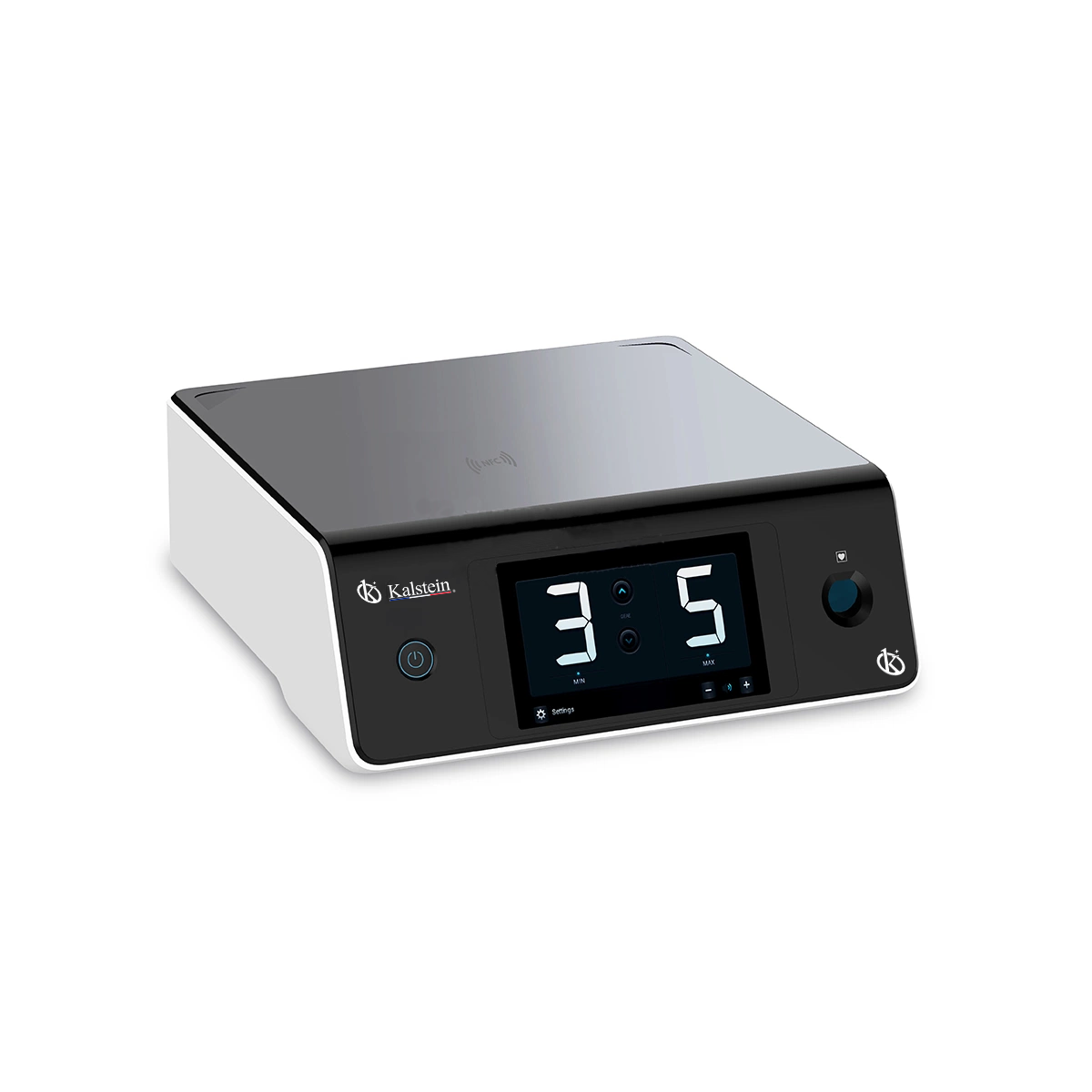
Veterinary Electrosurgical Units: Applications and Techniques 2026
What is it used for in 2026
In 2026, Veterinary Electrosurgical Units play a vital role in modern veterinary practices. These devices are primarily utilized for surgical procedures that require precise cutting and coagulation of tissues. Their applications extend to various fields including soft tissue surgery, orthopedic procedures, and even delicate operations such as laparoscopic interventions.
History and evolution of the technology
The development of electrosurgical technology for veterinary use began in the mid-20th century. Initially, these devices were bulky and less efficient, leading to longer surgical times and increased risks of complications. Over the decades, advancements in technology have led to the emergence of more sophisticated units, allowing for improved precision and reliability. Today's models, such as the Veterinary Ultrasonic Scalpel YR06129 and the Veterinary Blood Vessel Sealing Generator YR06130, embody the culmination of years of research and development, enhancing surgical outcomes.
How to use it step by step
- Preparation: Gather all necessary tools and ensure that the surgical area is sterile.
- Power Up: Connect the electrosurgical unit to a power source and turn it on.
- Select Mode: Choose the appropriate mode based on the procedure, such as cutting or coagulation.
- Test the Equipment: Run a quick test using a non-living tissue model to ensure settings are correct.
- Begin Procedure: Position the surgical instrument and proceed with the operation using steady motions.
- Monitor Conditions: Continuously monitor the unit’s performance and make adjustments as necessary.
- Post-operation Care: After the procedure, turn off the unit and perform necessary cleaning or calibration.
Best techniques and protocols
To ensure optimal results while using Veterinary Electrosurgical Units, practitioners should adhere to the following techniques and protocols:
- Proper Instrumentation: Use the appropriate handpieces and accessories for the selected procedure.
- Temperature Monitoring: Keep track of the tissue temperature to prevent overheating and damage.
- Controlled Movements: Execute movements slowly and deliberately to maintain precision.
- Frequent Calibration: Regularly calibrate equipment to ensure accuracy and effectiveness.
Practical applications by laboratory type
The applications of Veterinary Electrosurgical Units vary across different laboratory types:
- Veterinary Clinics: Used for routine surgeries such as spaying, neutering, and dental procedures.
- Research Laboratories: Employed in experimental studies involving soft and hard tissue interactions.
- Teaching Hospitals: Essential tools for educating veterinary students on surgical techniques.
Regulations, standards and certifications
Electrosurgical units must comply with stringent regulations set by veterinary health authorities and safety standards organizations. Certifications such as ISO and CE mark ensure that the devices meet safety and efficacy requirements. It's crucial for laboratories to regularly audit their equipment and maintain compliance to uphold industry standards.
Comparison with alternative technologies
Veterinary Electrosurgical Units offer specific advantages over alternative technologies such as traditional scalpel techniques or laser surgery. While lasers provide precise cutting capabilities, electrosurgical devices can combine cutting and coagulation in one unit, allowing for efficiency and reduced operatory time. Additionally, electrosurgical units tend to be more cost-effective, making them a preferred choice in many veterinary applications.
Comparison of available models
| Model | Best for | Key specs | Recommended use case |
|---|---|---|---|
| YR06129 | Precise cutting and coagulation | Power: 690VA, Frequency: 55.5KHz | General soft tissue surgeries |
| YR06130 | Vessel sealing and cutting | Power: 35W max, LCD Display | Gastrointestinal and gynecological surgeries |
| YR06131 | High-efficiency vessel sealing | Power: 300W, Automatic operation | Laparoscopic and open surgeries |
| YR06132 | Versatile surgical procedures | Power: 300W, Multiple output modes | Wide range of surgical applications |
| YR06133 | Portable laser applications | Power: 15W, Dual wavelength | Portable and field surgeries |
| YR06134 | Advanced portable laser operations | Power: 15W+15W, Touch Control | Complex surgical environments |
Common mistakes and how to avoid them
Common mistakes while using Veterinary Electrosurgical Units include:
- Incorrect Mode Selection: Always double-check that the mode selected matches the procedure requirements.
- Neglecting Calibration: Regularly calibrate equipment to ensure optimal performance.
- Insufficient Training: Ensure that all personnel are adequately trained before operating the equipment.
Maintenance, calibration and good practices 2026
To maintain the efficiency and longevity of Veterinary Electrosurgical Units, follow these guidelines:
- Routine Cleaning: Clean the unit after each use to prevent contamination.
- Regular Calibration: Schedule calibration checks every six months or as recommended by the manufacturer.
- Documentation: Keep detailed records of maintenance and calibration to ensure compliance.
Cost-benefit analysis 2026
Investing in Veterinary Electrosurgical Units can yield significant returns in terms of improved surgical outcomes, reduced operation times, and enhanced safety for both patients and veterinary staff. The initial acquisition cost is often outweighed by the efficiencies gained in surgical workflows and the ability to perform more complex procedures.
Frequently asked questions
What are the primary applications of Veterinary Electrosurgical Units?
Veterinary Electrosurgical Units are primarily used for cutting and coagulating tissues during surgical procedures. They are beneficial in soft tissue surgeries, orthopedic surgeries, and even laparoscopic procedures.
How do I choose the right electrosurgical unit for my practice?
Consider factors such as the types of procedures performed, the power output, and the specific features like modes of operation. Assess your laboratory needs to ensure you select the most appropriate model.
What safety precautions should I take when using these units?
Ensure proper training for all personnel, maintain a sterile environment, and regularly inspect the equipment for any damage or malfunctions before use.
Can these units be used in emergency situations?
Yes, Veterinary Electrosurgical Units can be utilized in emergency situations. Their capacity for rapid cutting and coagulation can be life-saving during critical procedures.
What maintenance is required for electrosurgical units?
Regular cleaning, calibration checks, and servicing according to manufacturer recommendations are essential to maintain the operational efficiency of the units.
How do I ensure compliance with regulations?
Keep abreast of industry regulations, ensure proper certifications are in place, and conduct regular audits of your equipment to maintain compliance.
If you are looking for a fusion of innovation and quality, you have come to the right place. At Kalstein, we offer you the luxury of exploring our exclusive catalog of laboratory equipment. We manufacture every device to the highest standards of excellence. Our intuitive and seamless online purchasing channels are designed for your convenience, securing the most competitive prices. Hesitate no longer — we bring science to life, it is time to become part of our community.