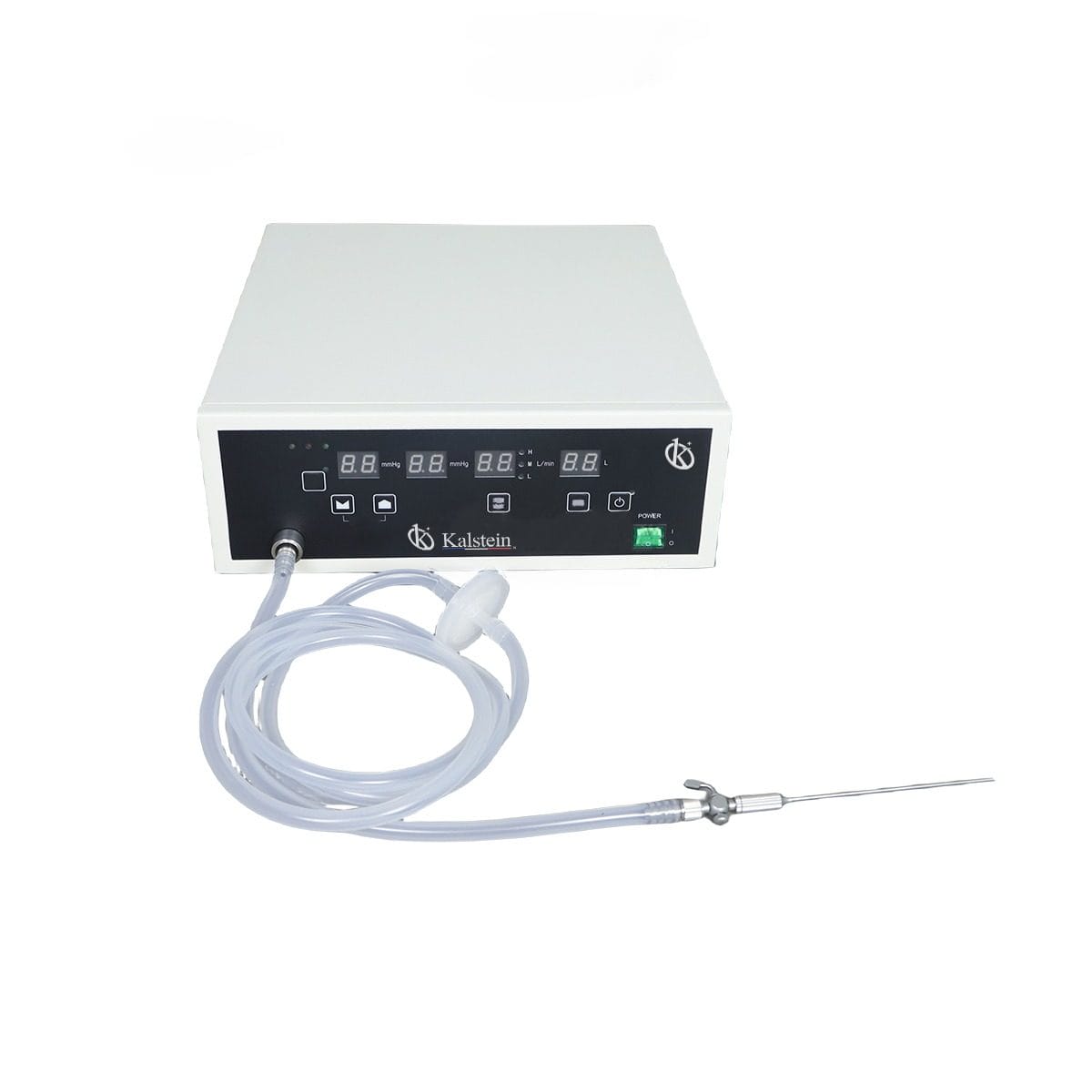
Veterinary Laparoscopy System: Best Techniques and Protocols in 2026
The veterinary laparoscopy system has revolutionized the approach to surgical procedures in veterinary medicine. By offering minimally invasive techniques, these systems allow for enhanced visualization, precision, and patient recovery. In this article, we will explore the best practices, applications, and protocols that are essential for veterinary professionals in 2026.
What is it used for in 2026
In 2026, veterinary laparoscopy systems are primarily used for diagnostic and surgical procedures involving various animal species. They enable veterinarians to perform surgeries with minimal incisions, which reduces the risk of infection and shortens recovery time. Common applications include spaying, neutering, biopsies, and abdominal explorations. The advancement in imaging technology has led to enhanced visualization, allowing for better outcomes in surgeries.
History and evolution of the technology
The evolution of veterinary laparoscopy systems began with the development of endoscopic technology in human medicine. Over the years, the technology has advanced significantly, transitioning from bulky equipment to compact, high-definition systems that are portable and user-friendly. The integration of CO2 insufflators has optimized the creation of working space, thus improving procedural efficacy. As surgical techniques have become more refined, the adoption of laparoscopic methods in veterinary practices has steadily increased, demonstrating a shift toward minimally invasive interventions.
How to use it step by step
Using a veterinary laparoscopy system involves several key steps:
- Preparation: Prepare the surgical site and the patient, ensuring sterilization and proper anesthesia.
- Insufflation: Use a CO2 insufflator to create a pneumoperitoneum, allowing for a clear view and space to operate.
- Insertion of instruments: Introduce the laparoscope and additional instruments through small incisions made in the abdominal wall.
- Procedure execution: Perform the required surgical tasks while monitoring through the high-definition camera.
- Closure: After completing the procedure, remove instruments and deflate the abdomen before closing the incisions.
Best techniques and protocols
In 2026, the best techniques and protocols for using veterinary laparoscopy revolve around:
- Utilizing high-definition imaging systems for optimal visualization.
- Employing appropriate CO2 insufflation techniques to maintain stable pressure and visibility.
- Regular training and simulation exercises for veterinary teams to enhance skills in laparoscopic techniques.
- Establishing protocols for patient monitoring pre- and post-operation to ensure safety and effective recovery.
Practical applications by laboratory type
Veterinary laparoscopy systems can be employed across various laboratory types, including:
- Animal Clinics: Routine spay/neuter surgeries and diagnostics.
- Research Facilities: Performing biopsies and exploratory surgeries on animals for research purposes.
- Emergency Veterinary Medicine: Quick access to the abdominal cavity in emergency situations.
Regulations, standards and certifications
The use of veterinary laparoscopy systems in 2026 is governed by various regulations and standards to ensure the safety and efficacy of procedures. Veterinary practices must adhere to guidelines set forth by local regulatory bodies and ensure that all equipment is certified and maintained according to these standards. Regular training and certification for personnel operating these systems are also essential in meeting best practice requirements.
Comparison with alternative technologies
While veterinary laparoscopy offers numerous advantages, it’s important to compare it with alternative technologies. Traditional open surgeries, while effective, often require larger incisions and longer recovery times. In contrast, laparoscopy minimizes tissue trauma, leading to faster healing. Other imaging technologies, such as ultrasound and CT scans, provide valuable diagnostic information but do not allow for direct surgical intervention, highlighting the unique role of laparoscopy in veterinary surgery.
Comparison of available models
| Model | Best for | Key specs | Recommended use case |
|---|---|---|---|
| YR06157 | Small animals | Flow: 4L/min, 6L/min, 10L/min; Pressure: 0.67kPa~3.30kPa | Laparoscopic surgeries in small pets |
| YR06156 | Mobile applications | LED light source, ≥30W; Resolution: 1920*1080 | Field surgeries requiring mobility |
| YR06158 | High-flow insufflation | Flow: 2L/min-40L/min; Noise: ≤50dB(A) | Procedures requiring extensive insufflation |
Common mistakes and how to avoid them
Several common mistakes can occur when using veterinary laparoscopy systems:
- Inadequate insufflation can lead to poor visibility. Ensure proper CO2 levels are maintained.
- Using inappropriate instruments for specific procedures can increase risks. Always use specialized laparoscopic tools.
- Lack of proper training for staff can result in complications. Continuous education and practice are crucial.
Maintenance, calibration and good practices 2026
To ensure optimal performance of veterinary laparoscopy systems, regular maintenance and calibration are essential. Follow these best practices:
- Schedule routine checks of the CO2 insufflator and imaging systems.
- Keep the instruments sterile and in good condition to avoid complications.
- Maintain a log of all maintenance activities for compliance and tracking.
Cost-benefit analysis 2026
Investing in a veterinary laparoscopy system can seem costly; however, the benefits often outweigh the expenses. By reducing recovery times and hospital stays, this technology can enhance patient turnover and overall clinic efficiency. Furthermore, improved surgical outcomes can lead to increased client satisfaction and loyalty, ultimately boosting profitability.
Frequently asked questions
What are the main benefits of using a veterinary laparoscopy system?
The main benefits include reduced recovery time, minimized surgical trauma, and enhanced visualization during procedures. This leads to better surgical outcomes and quicker patient recovery.
How do I choose the right model for my practice?
Consider the types of procedures you’ll perform most often, the size of the animals you treat, and whether mobility is a factor. Models like YR06156 are great for mobile applications, whereas YR06157 is suitable for small animals.
What training is required to operate a veterinary laparoscopy system?
Operators should undergo specialized training on the device's functionality and laparoscopic techniques. Continuous education and hands-on practice are recommended to maintain proficiency.
How often should maintenance be performed on laparoscopy systems?
Regular maintenance checks should be scheduled at least every six months or according to manufacturer recommendations to ensure the equipment is functioning properly.
What are the risks associated with laparoscopic surgery?
While laparoscopic surgery is minimally invasive, risks include bleeding, infection, and injury to surrounding organs. Proper training and technique can minimize these risks.
Can laparoscopic techniques be used in emergency situations?
Yes, laparoscopic techniques can be applied in emergency situations, allowing for quick access to the abdominal cavity while minimizing trauma.
How can I request a quote for a veterinary laparoscopy system?
You can easily request a quote through our online system, where our team will assist you in finding the best solution for your practice.
If you are looking for a fusion of innovation and quality, you have come to the right place. At Kalstein, we offer you the luxury of exploring our exclusive catalog of laboratory equipment. We manufacture every device to the highest standards of excellence. Our intuitive and seamless online purchasing channels are designed for your convenience, securing the most competitive prices. Hesitate no longer — we bring science to life, it is time to become part of our community.