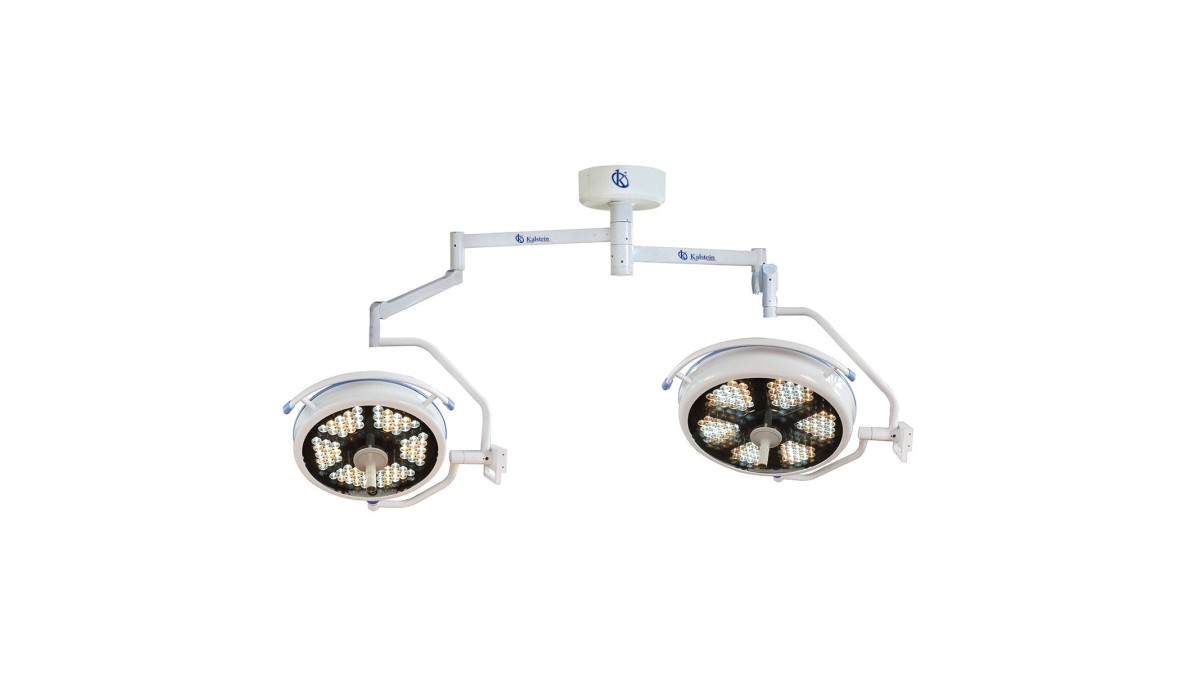
Veterinary Operating Lamps: Practical Applications and Techniques 2026
Veterinary operating lamps are critical tools in modern surgical settings, providing essential illumination for a wide range of veterinary procedures. Their importance cannot be overstated, as effective lighting can significantly influence surgical outcomes and overall veterinary care. This article will delve into the real applications of veterinary operating lamps in clinical and hospital laboratories in 2026, comparing various models and discussing best practices.
What is it used for in 2026
In 2026, veterinary operating lamps are primarily used in surgical settings, offering bright, shadow-free illumination essential for complex procedures. These lamps enhance visibility during surgeries, allowing veterinary professionals to operate with precision.
Applications include:
- General surgical procedures
- Orthopedic surgeries
- Soft tissue surgeries
- Dental procedures
- Endoscopic examinations
The ability to adjust light intensity and color temperature enables veterinarians to customize the lighting, ensuring optimal working conditions for various procedures.
History and evolution of the technology
Veterinary operating lamps have evolved significantly over the years. Initially, traditional incandescent bulbs were used, which produced substantial heat and shadows. This led to the development of halogen lamps, offering improved brightness and color rendering.
With the advent of LED technology, veterinary operating lamps have undergone a revolution. LEDs provide brighter, cooler, and more efficient lighting, significantly enhancing the operating environment. Today's models, such as the LED Shadowless Surgical Lamps, ensure uniform light distribution while minimizing heat generation.
How to use it step by step
Using veterinary operating lamps effectively requires understanding their features and functionalities:
- Select the appropriate lamp: Choose a model based on the specific procedure and lighting needs.
- Adjust the height and angle: Position the lamp to ensure optimal illumination over the surgical field.
- Set the brightness: Use the adjustable settings to achieve the desired intensity of light.
- Choose the color temperature: Adjust the temperature for better color rendering, especially in complex surgeries.
- Ensure cleanliness: Sterilize the lamp's surface regularly to maintain hygiene standards.
- Test the light: Before starting the procedure, conduct a quick test to confirm optimal lighting conditions.
Best techniques and protocols
To maximize the effectiveness of veterinary operating lamps:
- Regularly calibrate the intensity and color settings to match the specific needs of each procedure.
- Incorporate the use of light filters if necessary, especially for sensitive procedures.
- Train all veterinary staff on how to adjust and operate the lamps effectively.
- Maintain a clear line of sight by appropriately positioning the lamps.
Practical applications by laboratory type
Veterinary operating lamps find applications across various laboratory types:
- Small Animal Clinics: Utilize these lamps for routine surgeries and diagnostic procedures.
- Specialist Veterinary Hospitals: Employ advanced models for complex surgeries requiring precise lighting.
- Research Laboratories: Use in experimental surgeries and research on animal models.
Regulations, standards and certifications
Veterinary operating lamps must comply with several regulations and standards, including:
- ISO (International Organization for Standardization) standards for medical lighting
- IEC (International Electrotechnical Commission) guidelines for electrical safety
- Local health department regulations on surgical lighting
Regular inspections and certifications ensure that these devices meet safety and performance standards.
Comparison with alternative technologies
Compared to traditional surgical lighting technologies, LED veterinary operating lamps offer significant advantages:
- Heat Management: LEDs produce less heat, reducing the risk of discomfort to both the patient and the surgical team.
- Energy Efficiency: LED lamps consume less power, leading to lower operational costs.
- Longevity: LEDs have a longer lifespan, resulting in less frequent replacements.
Comparison of available models
| Model | Best for | Key specs | Recommended use case |
|---|---|---|---|
| YR06115 | Complex surgeries | ≥160,000Lux, 50,000h lifespan | Ideal for extensive surgical procedures requiring deep illumination. |
| YR06116 | General surgeries | 160,000Lux, 60,000h lifespan | Great for everyday surgical needs with flexible color temperature settings. |
| YR06117 | Ceiling-mounted applications | 40,000~160,000Lux, adjustable color temperature | Best for high-level cleanliness in operations requiring consistent lighting. |
| YR06118 | Wall-mounted settings | 40,000~160,000Lux, adjustable color temperature | Excellent for confined spaces where ceiling mounts are impractical. |
| YR06119 | Minor surgeries | ≥100,000Lux, ≥30,000h lifespan | Effective for minor procedures needing adequate illumination without excessive heat. |
| YR06120 | Portable applications | ≥50,000Lux, 30,000h lifespan | Ideal for field operations or clinics needing mobility and efficiency. |
Common mistakes and how to avoid them
Some common mistakes when using veterinary operating lamps include:
- Improper positioning: Ensure lamps are positioned correctly to avoid shadows. Adjust well before surgery.
- Neglecting maintenance: Regularly check and clean the lamps to keep them functioning optimally.
- Ignoring adjustments: Failing to adjust brightness and color can lead to poor visibility. Always customize settings before procedures.
Maintenance, calibration and good practices 2026
To ensure longevity and performance:
- Regularly clean the lamp surfaces to remove dust and contaminants.
- Calibrate the brightness settings periodically to ensure accurate performance.
- Schedule routine professional inspections to maintain compliance with safety standards.
Cost-benefit analysis 2026
Investing in veterinary operating lamps has several financial benefits over time:
- Reduced energy costs: LED lamps consume less power, leading to lower electricity bills.
- Lower replacement frequency: Longer lifespan reduces the need for frequent replacements, which can save significant costs.
- Improved surgical outcomes: Better lighting can enhance surgical precision, potentially leading to fewer complications and reoperations.
Frequently asked questions
What should I consider when choosing a veterinary operating lamp?
Consider the type of procedures you perform, the required brightness, and the adaptability of the lamp's features to your specific needs.
How do I maintain my veterinary operating lamp?
Regularly clean the lamp surfaces, check for any signs of wear, and schedule professional inspections to ensure compliance with safety standards.
What is the difference between ceiling-mounted and wall-mounted lamps?
Ceiling-mounted lamps offer flexible positioning and may provide wider coverage, while wall-mounted lamps can save space in smaller operating rooms.
How often should I replace the bulbs in my operating lamp?
LED bulbs typically last longer than traditional bulbs, so check the manufacturer's recommendations for replacement intervals, usually every 30,000 to 60,000 hours.
Can I use an operating lamp for both animals and humans?
While the technology may be similar, ensure that any lamp used for veterinary purposes is specifically designed for animal surgeries to meet the necessary standards.
What are common mistakes to avoid with operating lamps?
Avoid improper positioning, neglecting regular maintenance, and failing to adjust the brightness and color temperature settings before procedures.
Where can I find quality veterinary operating lamps?
Research various suppliers, comparing features and customer reviews, and consider requesting a quote to evaluate pricing options.
If you are looking for a fusion of innovation and quality, you have come to the right place. At Kalstein, we offer you the luxury of exploring our exclusive catalog of laboratory equipment. We manufacture every device to the highest standards of excellence. Our intuitive and seamless online purchasing channels are designed for your convenience, securing the most competitive prices. Hesitate no longer — we bring science to life, it is time to become part of our community.