Vortex Mixers: Common Mistakes and How to Avoid Them in Daily Operations 2026
What is it used for in 2026
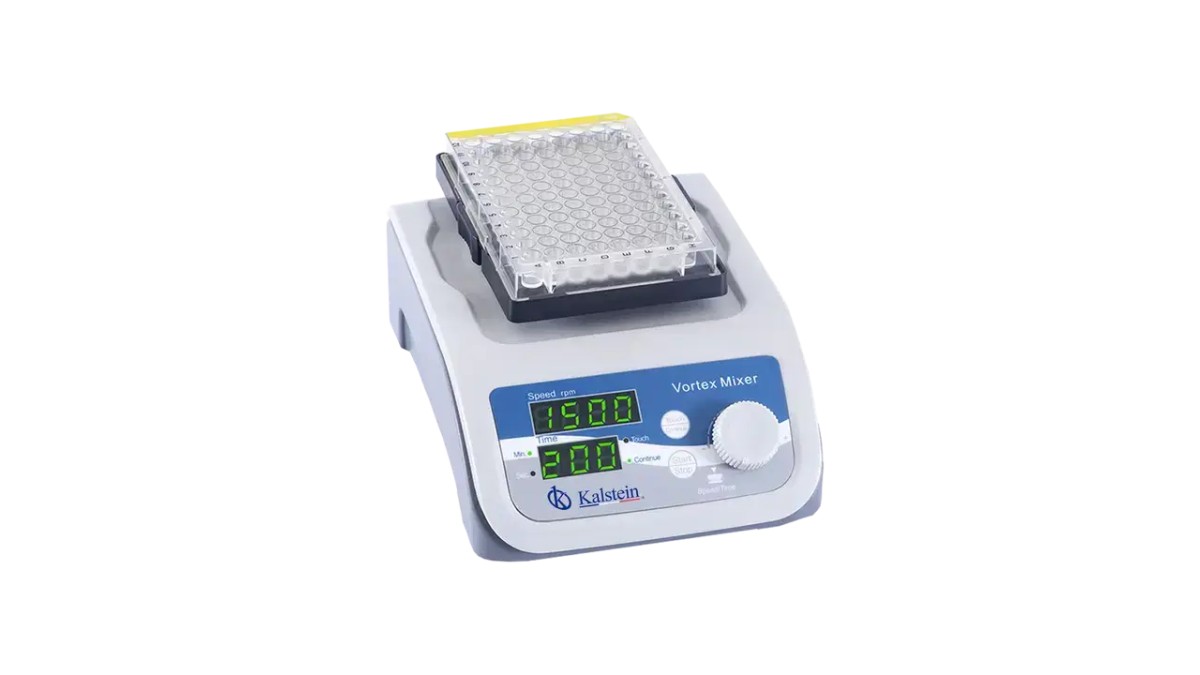
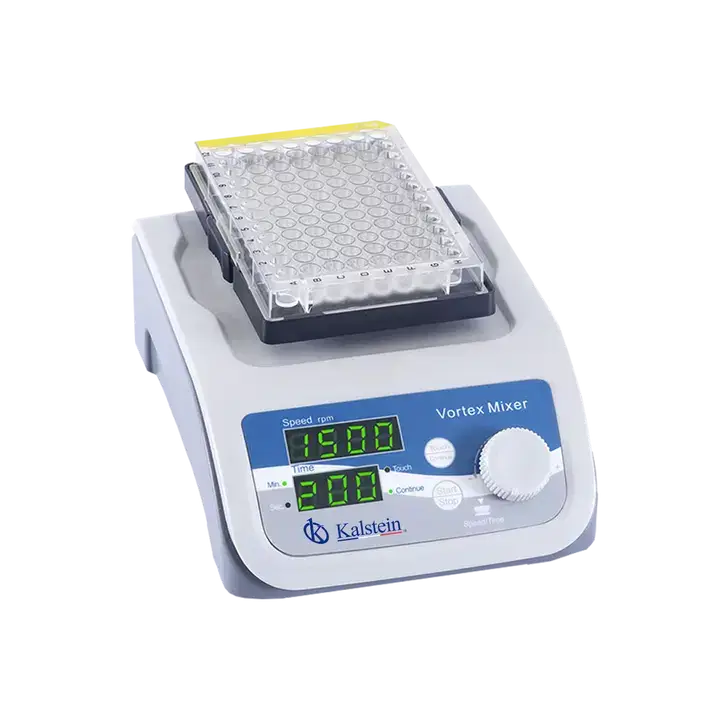
In 2026, vortex mixers are vital tools in laboratories, used primarily for mixing small volumes of liquid samples quickly and efficiently. They create a vortex that thoroughly mixes solutions, suspending solids, and ensuring homogeneity in samples. Applications range from biological assays to chemical reactions, making them indispensable for lab professionals.
History and evolution of the technology
The evolution of vortex mixing technology traces back to the mid-20th century when the need for efficient mixing solutions led to the development of various mixing devices. Initially, these devices were manually operated, but advancements in motor technology and precision controls have made modern vortex mixers highly efficient and user-friendly. Today, they incorporate features such as variable speed settings and programmable mixing cycles.
How to use it step by step
Using a vortex mixer involves the following steps:
- Preparation: Ensure that the vortex mixer is placed on a stable surface and plugged in.
- Selecting mixing containers: Use appropriate containers, such as test tubes or microcentrifuge tubes, that can withstand the mixing process.
- Loading samples: Add the required volume of liquid to the container, ensuring not to exceed the recommended fill line.
- Adjusting settings: Set the desired speed and time on the vortex mixer.
- Starting the mixer: Place the container on the mixer’s platform and initiate the mixing process. Ensure a secure fit to prevent spillage.
- Monitoring: Observe the mixing process and adjust settings if necessary.
- Completion: Once the mixing is complete, remove the container carefully and proceed with your experiment.
Best techniques and protocols
To maximize efficiency and accuracy in using vortex mixers, consider the following techniques:
- Short mixing intervals: Use brief mixing cycles to prevent overheating and sample degradation.
- Avoid foaming: For sensitive solutions, adjust speed settings to minimize foam production.
- Regular calibration: Regularly calibrate the mixer to ensure accurate speed settings.
- Use appropriate containers: Select containers that fit securely on the mixer to prevent spills.
Practical applications by laboratory type
Vortex mixers find applications across various laboratory types:
- Biological laboratories: For mixing reagents in assays and preparing cell cultures.
- Chemical laboratories: To ensure uniform mixing of chemical solutions before experimentation.
- Clinical laboratories: For preparing samples for diagnostic tests and assays.
- Environmental laboratories: To mix samples for analysis of pollutants in water or soil.
Regulations, standards and certifications
Vortex mixers must comply with various international standards, including ISO and GMP guidelines, particularly in pharmaceutical and clinical settings. Regular quality audits and adherence to safety protocols are essential for maintaining compliance and ensuring the reliability of experimental results.
Comparison with alternative technologies
While vortex mixers are popular for small-scale mixing, other technologies exist. Magnetic stirrers provide continuous mixing with less sample disturbance, while homogenizers offer high shear mixing for emulsifying and dispersing particles in larger volumes. Each technology has its strengths, making the choice dependent on the specific application needs.
Comparison of available models
| Model | Best for | Key specs | Recommended use case |
|---|---|---|---|
| YR06047-1 | General mixing | Price: $8.50 | Ideal for mixing small liquid samples in routine laboratory tasks. |
| YR06047-2 | Biological samples | Price: $8.50 | Perfect for preparing biological reagents for assays. |
| YR06047-3 | Chemical solutions | Price: $10.00 | Best for ensuring homogeneity in chemical mixtures. |
| YR06047-4 | High volume mixing | Price: $16.50 | Suited for larger sample volumes in research applications. |
| YR06047-5 | Environmental testing | Price: $16.50 | Effective for mixing samples for environmental analysis. |
| YR06047-6 | Clinical assays | Price: $16.50 | Recommended for preparing clinical samples prior to testing. |
Common mistakes and how to avoid them
Several common mistakes can occur when using vortex mixers, including:
- Overfilling containers: This can lead to spills and inaccurate results. Always adhere to recommended fill levels.
- Using inappropriate containers: Ensure that the mixing containers are compatible with vortex mixing.
- Neglecting maintenance: Regularly clean and maintain the mixer to ensure optimal performance.
- Ignoring user manuals: Familiarize yourself with the manufacturer’s manual to utilize all features effectively.
Maintenance, calibration and good practices 2026
To maintain a vortex mixer in optimal condition, follow these best practices:
- Regular cleaning: Clean the mixer after each use to prevent contamination.
- Scheduled maintenance: Perform routine checks and calibrate as necessary according to manufacturer guidelines.
- Proper storage: Store the mixer in a safe environment to avoid damage.
- User training: Ensure all users are trained on proper operation and safety procedures.
Cost-benefit analysis 2026
Investing in a vortex mixer offers significant advantages for laboratory operations. The initial cost is often low compared to other mixing technologies, and the efficiency gains can lead to faster experimental turnaround times. Additionally, the versatility of vortex mixers makes them suitable for a wide range of applications, providing excellent value in meeting laboratory needs.
Frequently asked questions
What are the best practices for using a vortex mixer?
Best practices include using appropriate containers, calibrating the mixer regularly, and following recommended filling guidelines to prevent spills.
How can I avoid common mistakes when using a vortex mixer?
To avoid mistakes, ensure proper training, maintain the equipment regularly, and adhere to manufacturer instructions regarding usage and maintenance.
When should I replace my vortex mixer?
Consider replacing your vortex mixer if it shows signs of persistent malfunction, has not been maintained properly, or if new technology provides significant advantages for your applications.
Can vortex mixers be used for high viscosity samples?
While vortex mixers are effective for many liquid samples, high viscosity samples may require specialized mixing equipment for optimal results.
What safety precautions should I take when using a vortex mixer?
Always wear appropriate personal protective equipment (PPE), ensure secure placement of containers, and avoid mixing hazardous materials unless specifically trained.
How do I choose the right model for my laboratory?
Consider your specific mixing needs, including the volume of samples, types of materials, and mixing speed requirements when selecting a model.
If you are looking for a fusion of innovation and quality, you have come to the right place. At Kalstein, we offer you the luxury of exploring our exclusive catalog of laboratory equipment. We manufacture every device to the highest standards of excellence. Our intuitive and seamless online purchasing channels are designed for your convenience, securing the most competitive prices. Hesitate no longer — we bring science to life, it is time to become part of our community.