Water Baths: Practical Applications and Techniques 2026
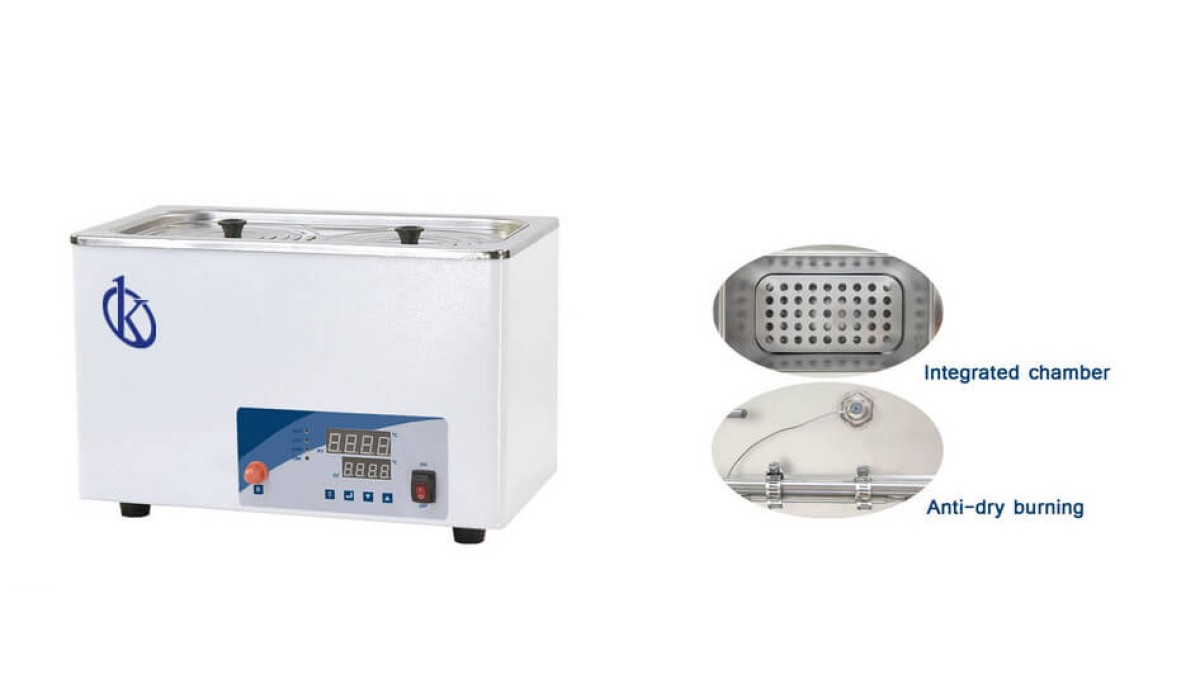
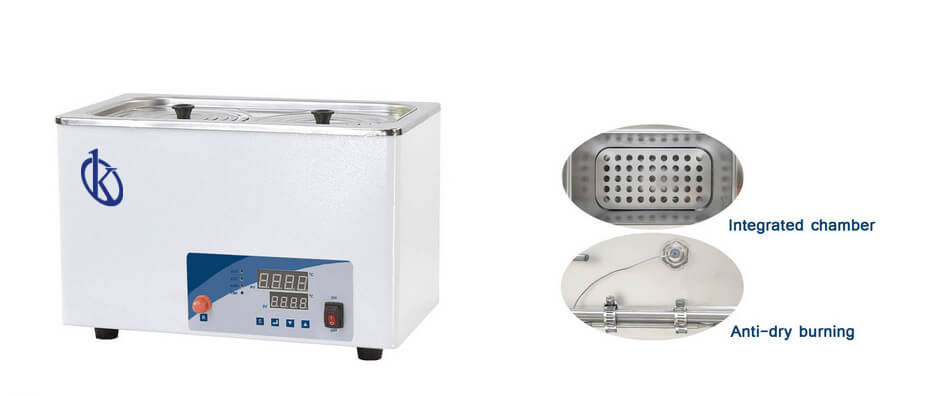
Water baths are indispensable tools in modern laboratories, utilized for a variety of applications ranging from sample thawing to temperature-controlled reactions. Understanding the best practices and latest techniques in using these devices can significantly elevate laboratory efficiency. This article delves into the practical applications, historical context, and operational guidelines for water baths in 2026.
What is it used for in 2026
In 2026, water baths are utilized across numerous laboratory environments, including clinical, research, and quality control laboratories. Their primary uses include:
- Heating samples to a specific temperature for reactions or incubations.
- Thawing frozen biological samples gently.
- Maintaining temperatures during experiments to prevent thermal shock.
- Serving as a platform for testing physical properties of materials.
- Facilitating enzymatic reactions requiring consistent temperature.
As laboratories continue to innovate, the adaptability of water baths ensures their relevance in various workflows.
History and evolution of the technology
The concept of the water bath dates back to the early 19th century, primarily used in chemistry and biology. Initially, simple metal containers filled with water were utilized to provide a steady heat source. Over the decades, advancements such as PID controllers, stainless steel designs, and digital interfaces have transformed water baths into sophisticated devices capable of precise temperature control and enhanced safety features. The integration of technology in laboratory equipment has continually improved user experience and operational efficiency.
How to use it step by step
Using a water bath effectively involves several steps:
- Preparation: Ensure the water bath is clean and free from contaminants.
- Fill the bath: Add distilled water to the fill line indicated in the user manual.
- Temperature settings: Power on the device and set the desired temperature using the control interface.
- Wait for stabilization: Allow the water bath to reach the set temperature before introducing any samples.
- Place samples: Use appropriate holders or racks to position samples in the bath.
- Monitoring: Regularly check the temperature display and adjust as necessary.
- Completion: Once the experiment is complete, carefully remove samples and turn off the device.
Best techniques and protocols
Implementing best techniques for using water baths can enhance results:
- Use a thermometer to verify temperature accuracy before starting experiments.
- Ensure samples are fully submerged to achieve uniform heating.
- Avoid overfilling or underfilling the bath to maintain optimal thermal conductivity.
- Utilize lids to minimize evaporation and maintain stable temperatures.
- Document all experiments, including temperature settings and duration for reproducibility.
Practical applications by laboratory type
Different laboratory types utilize water baths for distinct purposes:
Clinical Laboratories:
Used for incubating cultures, thawing plasma, and maintaining samples at specific temperatures.
Research Laboratories:
Facilitates biochemical reactions, enzymatic studies, and sample preparation for assays.
Quality Control Laboratories:
Employed in testing the thermal properties of materials and quality assurance procedures.
Regulations, standards and certifications
Water baths must comply with industry regulations and standards such as ISO, ASTM, and FDA requirements. Regular calibration and maintenance documentation are essential for quality assurance and compliance during inspections. Ensuring that your equipment meets necessary certifications enhances laboratory credibility.
Comparison with alternative technologies
While water baths are versatile, other technologies such as dry baths, incubators, and hot plates may be used in specific applications. Compared to dry baths, water baths offer better temperature uniformity, while incubators provide more precise control for cell growth. Understanding these differences helps in selecting the right equipment based on specific lab needs.
Comparison of available models
| Model | Best for | Key specs | Recommended use case |
|---|---|---|---|
| YR05073 | General heating in labs | 300W, 5-100°C, PID Control | Sample thawing, temperature control |
| YR05074 | General heating in labs | 300W, 5-100°C, PID Control | Sample thawing, temperature control |
| YR030L | Agitated heating applications | 602.00, RT-100°C, LCD Control | Cell culture, biochemical reactions |
| YR05001 | Chemical reactor cooling/heating | 1974.00, -35-200°C, 3000W | Reactor temperature control |
| YR05002 | Chemical reactor cooling/heating | 2646.00, -35-200°C, 6000W | Reactor temperature control |
| YR05003 | Chemical reactor cooling/heating | 2982.00, -35-200°C, 6000W | Reactor temperature control |
Common mistakes and how to avoid them
Common mistakes when using water baths include:
- Improper temperature settings leading to sample degradation.
- Neglecting to monitor water levels, resulting in insufficient thermal contact.
- Failure to clean the bath, risking contamination.
- Overcrowding the bath which can lead to uneven heating.
To mitigate these, always follow best practices, routinely check equipment, and maintain a log of usage.
Maintenance, calibration and good practices 2026
Maintaining water baths involves:
- Regularly cleaning the internal and external surfaces to prevent contamination.
- Calibrating the temperature settings bi-annually to ensure accuracy.
- Checking all electrical connections and safety features.
- Replacing any worn or damaged parts promptly.
Cost-benefit analysis 2026
In 2026, investing in a water bath can offer significant returns in terms of efficiency and reliability. The upfront costs are typically offset by the enhanced productivity and accuracy of experiments. Choosing models that offer advanced features, such as PID control and digital interfaces, can result in better outcomes and reduced operational costs over time.
Frequently asked questions
What should I consider when choosing a water bath?
When choosing a water bath, consider factors like the desired temperature range, the size of samples you will be using, and additional features like PID control for precise temperature regulation.
How often should I calibrate my water bath?
It is recommended to calibrate your water bath at least bi-annually, or more frequently if it is used extensively in critical applications.
Can I use a water bath for cell culture?
Yes, water baths can be used for cell culture applications, especially when maintaining temperature stability is crucial for the growth of cells.
What are the risks of using water baths incorrectly?
Using water baths incorrectly can lead to sample degradation, inaccurate experimental results, and even damage to the equipment itself.
How can I ensure the longevity of my water bath?
Ensure the longevity of your water bath by performing regular maintenance, cleaning it after each use, and calibrating it properly.
Is it safe to fill the water bath to the brim?
No, overfilling a water bath can lead to spills and may affect the temperature stability. Always fill it to the recommended level as specified in the user manual.
If you are looking for a fusion of innovation and quality, you have come to the right place. At Kalstein, we offer you the luxury of exploring our exclusive catalog of laboratory equipment. We manufacture every device to the highest standards of excellence. Our intuitive and seamless online purchasing channels are designed for your convenience, securing the most competitive prices. Hesitate no longer — we bring science to life, it is time to become part of our community.