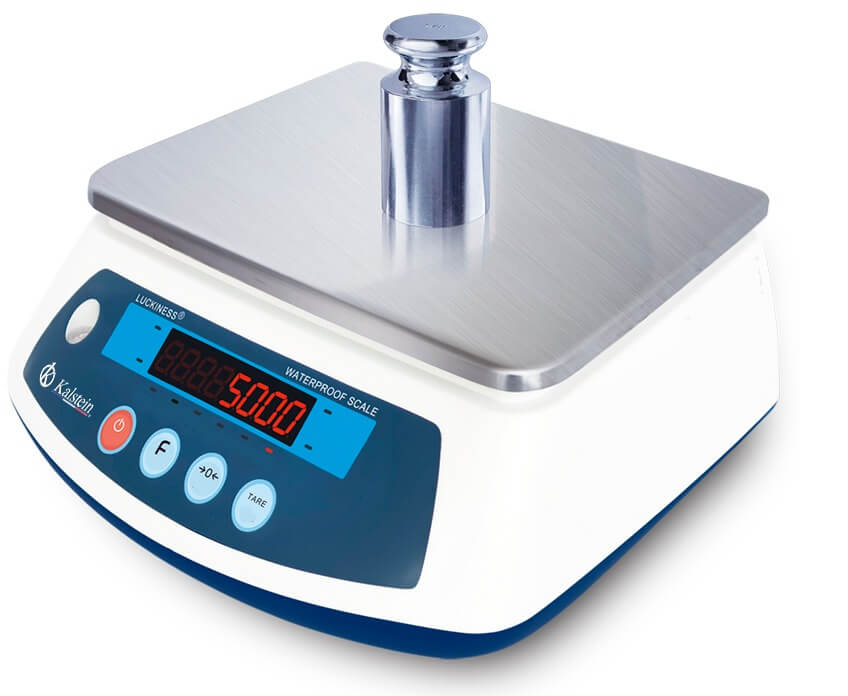
Waterproof Balances: Best Techniques and Protocols in 2026
What is it used for in 2026
In 2026, waterproof balances are essential tools in various laboratory settings, particularly where moisture and contamination are concerns. These balances are designed to provide accurate and reliable weight measurements while being able to withstand water and other hazardous materials. They are particularly utilized in food science, pharmaceuticals, and chemical laboratories, where precision and cleanliness are paramount.
History and evolution of the technology
The evolution of waterproof balances can be traced back to the need for accurate weighing in challenging environments. Originally developed to address the limitations of standard balances, waterproof balances have significantly advanced in both technology and design over the years. Today, they feature advanced sensors, improved materials that enhance durability, and various certifications ensuring their reliability. The introduction of digital displays and intuitive interfaces has further streamlined their use in laboratory practices.
How to use it step by step
Using waterproof balances involves the following steps:
- Setup: Ensure the balance is placed on a level, stable surface away from direct sunlight or airflow.
- Power on: Turn on the balance and allow it to initialize.
- Calibration: Perform calibration if required, following the manufacturer’s instructions.
- Tare the balance: Place the container or weighing dish on the balance and tare it to zero.
- Weighing: Add the sample to the container, ensuring no spillage occurs. The balance will display the weight.
- Documentation: Record the weight measurements as necessary.
- Cleaning: Clean the balance surface and any containers used, following safety protocols.
Best techniques and protocols
To ensure accurate measurements and proper usage of waterproof balances, it is crucial to follow best practices:
- Regularly calibrate the balance to maintain accuracy.
- Use appropriate containers for weighing to prevent contamination.
- Avoid abrupt movements or vibrations during the weighing process.
- Ensure the balance is cleaned after each use to avoid cross-contamination.
- Store the balance in a protective case when not in use to prevent damage.
Practical applications by laboratory type
Waterproof balances find applications in various laboratory types:
- Food Science: Used for weighing ingredients to ensure precise formulation.
- Pharmaceuticals: Essential for measuring active ingredients in drug preparation.
- Chemical Laboratories: Crucial for chemical mixture formulations and testing.
Regulations, standards and certifications
Waterproof balances must comply with certain regulations and standards such as IP68 for water resistance, CE marking for safety, RoHS compliance for hazardous substances, and LFGB for food safety. These certifications ensure that the balances meet industry safety and performance requirements.
Comparison with alternative technologies
Compared to traditional balances, waterproof balances offer enhanced durability and accuracy in wet environments. Traditional balances may suffer from damage or inaccurate readings when exposed to moisture, whereas waterproof models are designed to resist such conditions. This makes waterproof balances more suitable for laboratories dealing with liquids or humid conditions.
Comparison of available models
| Model | Best for | Key specs | Recommended use case |
|---|---|---|---|
| YR05623 | General laboratory use | 3 kg/0.1 g | Ideal for precise weighing of small samples. |
| YR05624 | Food applications | 3 kg/0.5 g | Best for ingredient weighing in kitchens. |
| YR05625 | Chemical formulations | 6 kg/1 g | Suitable for weighing chemicals accurately. |
| YR05626 | Pharmaceuticals | 7.5 kg/1 g | Used for measuring drug components. |
| YR05627 | Heavy-duty applications | 15 kg/5 g | For weighing heavier samples reliably. |
| YR05628 | Industrial use | 30 kg/5 g | Perfect for large quantities and industrial processes. |
Common mistakes and how to avoid them
Laboratory professionals may encounter several common mistakes when using waterproof balances:
- Not Taring: Always tare the balance before weighing to avoid inaccuracies.
- Ignoring Calibration: Failing to calibrate regularly can lead to erroneous readings.
- Using Incorrect Containers: Using inappropriate containers may result in contamination or damage.
Maintenance, calibration and good practices 2026
To maintain waterproof balances effectively, consider the following:
- Regularly schedule calibration checks.
- Clean the balance's exterior and interior regularly, avoiding harsh chemicals.
- Inspect the balance for any signs of wear or damage, addressing issues promptly.
Cost-benefit analysis 2026
Investing in waterproof balances can be cost-effective due to their durability and reliability in various conditions. Despite a higher initial cost, their longevity, reduced maintenance needs, and accuracy can lead to savings in the long run. Additionally, their compliance with stringent regulations can prevent costly penalties in laboratory operations.
Frequently asked questions
What are the key features to look for in a waterproof balance?
When selecting a waterproof balance, consider features such as maximum capacity, readability, calibration options, and whether it has certifications for water resistance and safety. The ease of cleaning and the type of display are also significant.
How can I ensure the accuracy of my waterproof balance?
To ensure accuracy, regularly calibrate the balance as per the manufacturer's guidelines, use it on stable surfaces, and avoid drafts during weighing. Always use appropriate containers and tare before weighing.
What is the importance of taring the balance?
Taring is crucial as it subtracts the weight of the container, ensuring that only the sample's weight is measured. Failing to tare can lead to incorrect weight readings.
Can waterproof balances be used in industrial settings?
Yes, waterproof balances are designed for use in industrial settings where moisture and contamination may occur. Their durability makes them suitable for heavy-duty applications.
What maintenance is required for waterproof balances?
Maintenance includes regular cleaning, periodic calibration, and inspection for wear or damage. Ensuring the balance is stored correctly also prolongs its lifespan.
Are waterproof balances expensive?
While waterproof balances may have a higher upfront cost compared to standard balances, their durability, reliability, and compliance with safety standards can provide cost savings over time.
If you are looking for a fusion of innovation and quality, you have come to the right place. At Kalstein, we offer you the luxury of exploring our exclusive catalog of laboratory equipment. We manufacture every device to the highest standards of excellence. Our intuitive and seamless online purchasing channels are designed for your convenience, securing the most competitive prices. Hesitate no longer — we bring science to life, it is time to become part of our community.