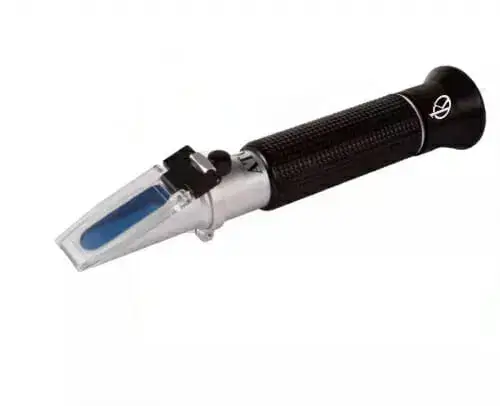
Wine Refractometers: Common Mistakes and How to Avoid Them in Daily Operation 2026
What is it used for in 2026
Wine refractometers are specialized devices used to measure the sugar content and alcohol levels in wine. In 2026, their significance has increased as winemakers focus on precision and quality. By providing quick and accurate readings, these instruments help in monitoring the fermentation process and ensuring the desired characteristics of the wine. The refractometer measures the refractive index of the wine, which correlates with the concentration of sugars (Brix) and alcoholic content, thus offering insights into the wine's potential quality.
History and evolution of the technology
The history of refractometers dates back to the early 1800s when scientists first began utilizing light refraction principles. Over the decades, technology has evolved significantly. Initially, refractometers were manual devices requiring careful calibration and reading. With advancements in materials and technology, modern wine refractometers now offer automatic temperature compensation (ATC), digital displays, and enhanced accuracy, allowing for easier and more reliable measurements in wine production.
How to use it step by step
- Clean the prism: Ensure that the refractometer prism is clean and free from any residue.
- Prepare the sample: Use a pipette to place a few drops of the wine onto the prism surface.
- Close the cover: Gently close the cover to spread the sample evenly over the prism.
- Take the reading: Look through the eyepiece to read the measurement directly from the scale. For digital models, simply press the measurement button.
- Record the results: Document the readings for future reference and quality control.
Best techniques and protocols
To ensure accurate readings, adhere to the following techniques:
- Always calibrate the refractometer before use with distilled water to ensure accuracy.
- Use wine samples at a consistent temperature, preferably between 10-30°C, for reliable measurements.
- Make sure the prism is clean before each reading to avoid cross-contamination.
- Perform multiple readings and calculate an average for increased reliability.
Practical applications by laboratory type
The applications of wine refractometers vary significantly across different laboratory types:
- Winery Laboratories: Used for monitoring fermentation and evaluating grape juice quality.
- Research Institutions: Employed in studies related to the sugar-alcohol relationship in different grape varieties.
- Quality Control Labs: Used to ensure that the final products meet regulatory and taste quality standards.
Regulations, standards and certifications
Wine refractometers must comply with various regulations and standards to ensure their reliability. In 2026, adherence to ISO standards and local agricultural regulations remains crucial. Certifications from recognized standards bodies can also ensure that the refractometer meets the required accuracy and precision standards for wine production.
Comparison with alternative technologies
While wine refractometers are widely used, there are alternative methods for measuring sugar content and alcohol in wine:
- Hydrometers: Effective but require larger sample sizes and are less precise at higher sugar concentrations.
- Density Meters: Provide accurate measurements but are typically more expensive and require more maintenance.
- Colorimetric Tests: Useful for specific analytes but are not as versatile as refractometers.
Comparison of available models
| Model | Best for | Key specs | Recommended use case |
|---|---|---|---|
| YR05931 | Alcohol measurement | 0-80% v/v, ±1% v/v | Ideal for high-alcohol wines. |
| YR05932 | Wine and Brix measurement | 0-25% Vol, 0-40% Brix, ±0.2% | Best for monitoring fermentation. |
| YR05933 | Specialized wine types | 0-25% Vol, 0-170 °Oe, ±0.2% | Recommended for specific grape varieties. |
| YR05934 | General wine analysis | 0-20° Baume, ±0.2% | Ideal for routine quality checks. |
| YR05935 | General use | N/A | Versatile for various wine types. |
| YR05936 | Alcohol and Brix | N/A | Good for laboratory settings. |
Common mistakes and how to avoid them
Many users make mistakes that can lead to inaccurate measurements. Here are some common errors and ways to avoid them:
- Skipping calibration: Always calibrate the refractometer before use to ensure accuracy.
- Not cleaning the prism: Residue can affect readings, so ensure a clean surface before every measurement.
- Ignoring temperature effects: Always consider the sample's temperature; use ATC models when possible.
Maintenance, calibration and good practices 2026
To keep your wine refractometer in optimal condition, follow these maintenance tips:
- Regularly calibrate using distilled water.
- Store in a protective case to prevent damage.
- Clean the prism with a soft cloth after each use.
- Check for physical damage or misalignment regularly, and recalibrate if necessary.
Cost-benefit analysis 2026
The investment in a wine refractometer can yield significant returns in terms of quality control, reduced waste, and improved product consistency. With prices starting around $9.50, the benefits often outweigh the costs, especially when considering the potential for increased customer satisfaction and marketability of high-quality wines.
Frequently asked questions
What is the best way to clean my wine refractometer?
Use a soft, lint-free cloth to gently wipe the prism after each use, and ensure that no liquid is left on the surface.
How often should I calibrate my refractometer?
It is recommended to calibrate your refractometer before each use or at least on a daily basis if it is used frequently.
Can I use a wine refractometer for other types of liquids?
While primarily designed for wine, refractometers can be used for other liquids with similar characteristics, but accuracy may vary.
What temperature should my samples be during measurement?
Samples should ideally be within the range of 10-30°C for the most accurate readings.
How can I ensure consistent measurements?
Always clean the prism, use calibrated instruments, and take multiple readings to calculate an average.
Why is temperature compensation important?
Temperature can affect the refractive index of liquids; ATC ensures that measurements remain accurate across varying temperatures.
Where can I find more information on purchasing a refractometer?
For additional information or to request a quote, visit our site for an extensive catalog of laboratory equipment.
If you are looking for a fusion of innovation and quality, you have come to the right place. At Kalstein, we offer you the luxury of exploring our exclusive catalog of laboratory equipment. We manufacture every device to the highest standards of excellence. Our intuitive and seamless online purchasing channels are designed for your convenience, securing the most competitive prices. Hesitate no longer — we bring science to life, it is time to become part of our community.