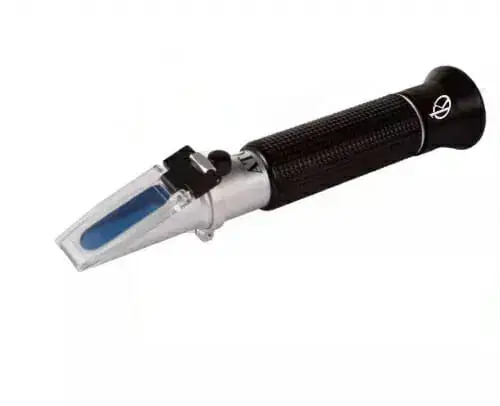
How Can Wine Refractometers Enhance Energy Sustainability in Laboratories?
In an era where sustainability is paramount, laboratories are increasingly seeking methods to minimize their energy consumption and environmental impact. Wine refractometers, tools primarily used for measuring the sugar content in grape juice and wine, can play an unexpected yet crucial role in this quest. By improving energy efficiency and reducing reagent waste, these instruments not only optimize processes but also align with broader sustainability goals.
Understanding Energy Sustainability in Laboratory Settings
Energy sustainability in laboratories involves using practices and technologies that reduce energy consumption while maintaining productivity. This can include utilizing energy-efficient equipment, optimizing workflows, and minimizing waste. In the context of wine refractometers, the focus is on how these devices can contribute to energy-efficient operations.
Key Features of Wine Refractometers That Promote Sustainability
Wine refractometers, such as the YR05931, YR05932, YR05933, YR05934, YR05935, and YR05936, are designed to provide quick and precise measurements. Their automatic temperature compensation (ATC) feature ensures accurate results under varying environmental conditions, reducing the need for additional testing and reagent use. This minimizes waste, contributing to overall sustainability.
Reducing Reagent Waste and Energy Consumption
By utilizing refractometers equipped with ATC, laboratories can produce reliable results with less reagent consumption. For instance, the YR05932 allows direct readings of alcohol content and Brix, significantly decreasing the volume of samples needed for analysis, which directly lowers energy usage associated with reagent preparation and disposal.
Comparative Overview of Wine Refractometers
| Model Code | Measurement Range | Min. Division | Accuracy | ATC | Material |
|---|---|---|---|---|---|
| YR05931 | 0-80% v/v | 1% v/v | ±1% v/v | No | Pure Aluminum |
| YR05932 | 0-25% Vol, 0-40% Brix | 0.2% Vol, 0.2% Brix | ±0.2% Vol, ±0.2% Brix | Yes | Pure Aluminum |
| YR05933 | 0-25% Vol, 0-170° Oe | 0.2% Vol, 1° Oe | ±0.2% Vol, ±1° Oe | Yes | Pure Aluminum |
| YR05934 | 0-20° Baume, 0-25% Vol, 0-40% Brix | 0.2° Baume, 0.2% Vol | ±0.2° Baume, ±0.2% Vol | Yes | Pure Aluminum |
| YR05935 | 0-20° Baume, 0-25% Vol | 0.2° Baume, 0.2% Vol | ±0.2° Baume | Yes | Pure Aluminum |
| YR05936 | 0-80% v/v | 1% v/v | ±1% v/v | No | Pure Aluminum |
Common Mistakes and How to Avoid Them
Laboratory professionals often overlook the importance of calibration and maintenance in achieving accurate measurements with wine refractometers. It's essential to regularly calibrate these instruments to ensure their accuracy and reliability. Failure to do so can lead to erroneous results, impacting productivity and sustainability efforts. Always follow the manufacturer's guidelines for calibration intervals and procedures.
Frequently Asked Questions
How can wine refractometers contribute to reducing energy consumption in laboratories?
Wine refractometers like the YR05932 utilize automatic temperature compensation, which enhances measurement accuracy and reduces the need for repeated tests and reagents. This reduction in resource usage leads to lower energy consumption in the lab.
What specific sustainability features do modern wine refractometers offer?
Modern wine refractometers such as the YR05934 are equipped with features like ATC that adjust readings based on temperature fluctuations, minimizing reagent waste and energy usage during measurements. This promotes greater sustainability in laboratory operations.
How do I choose the right wine refractometer for energy efficiency?
When selecting a wine refractometer, consider models with automatic temperature compensation like the YR05932 and YR05933, which help in reducing energy consumption by ensuring more accurate and efficient testing processes.
What are the benefits of using aluminum refractometers in terms of sustainability?
Aluminum refractometers like the YR05931 and YR05936 are durable and lightweight, contributing to energy savings in transportation and usage. Their longevity also means fewer replacements, reducing overall material waste.
How does energy efficiency affect the overall cost of laboratory operations?
By using energy-efficient instruments like the YR05932, laboratories can lower their operational costs significantly. Reduced energy consumption translates into lower utility bills and less reagent waste, making it a cost-effective choice for any lab.
Why is automatic temperature compensation important for sustainability?
Automatic temperature compensation, featured in models like YR05934 and YR05935, ensures that measurements remain accurate across temperature variations. This accuracy prevents waste due to repeated testing and excess reagent use, enhancing sustainability.
If you are looking for a fusion of innovation and quality, you have come to the right place. At Kalstein, we offer you the luxury of exploring our exclusive catalog of laboratory equipment. We manufacture every device to the highest standards of excellence. Our intuitive and seamless online purchasing channels are designed for your convenience, securing the most competitive prices. Hesitate no longer — we bring science to life, it is time to become part of our community.