Analyzers
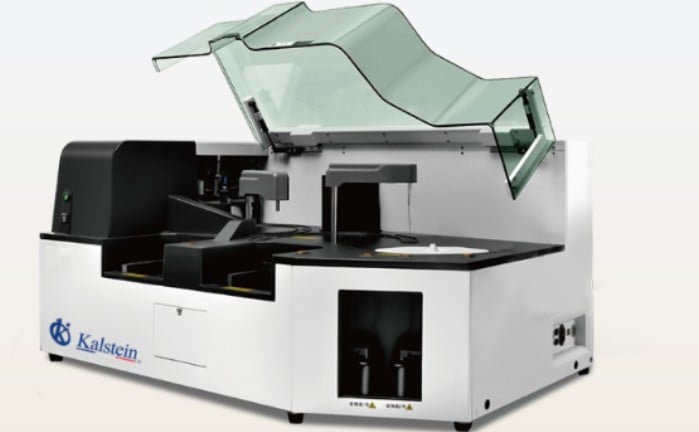
Analyzers are essential tools in laboratory settings, facilitating precise measurements and analyses of various samples. They play a critical role in diagnostics, research, and quality control, ensuring accurate results that inform treatment decisions and scientific discoveries.
With advancements in technology, modern analyzers offer enhanced capabilities, including automation, speed, and improved data management. Selecting the right analyzer can significantly impact laboratory efficiency and accuracy, making it essential for laboratories to understand their specific needs before making a purchase.
Types of analyzers your laboratory may need
HbA1c

HbA1c analyzers are vital for monitoring long-term glucose control in patients with diabetes. These devices provide accurate measurements of glycated hemoglobin, offering crucial insights into a patient's average blood sugar levels over several months.
Utilizing advanced technology, HbA1c analyzers can deliver rapid results with minimal sample volume. This efficiency makes them indispensable in clinical settings, where timely and reliable data is essential for diabetes management.
What you should know before selecting a analyzers and making an investment
Key factors to consider
When selecting an analyzer, it is crucial to consider factors such as accuracy, precision, and the type of samples it can process. Additionally, assess the instrument's ease of use, maintenance requirements, and the level of technical support provided by the manufacturer.
Understanding your laboratory's specific needs and workflows will help ensure that you choose an analyzer that fits seamlessly into your operations and enhances overall productivity.
Market price range
Analyzer prices can vary significantly based on features, brand, and technology. Entry-level models may be more affordable, but investing in higher-end devices often pays off in terms of reliability and advanced capabilities.
It is advisable to research and compare different models to find one that offers the best balance between cost and functionality, ensuring you make a sound financial decision for your laboratory's needs.
Value for money
Evaluating the value for money of an analyzer involves considering not just the purchase price but also its long-term operational costs, including maintenance, consumables, and potential downtime.
Choosing a reliable analyzer with a good track record can minimize unexpected costs and maximize the return on your investment, making it an essential factor in the decision-making process.
Expected lifespan based on use and maintenance
The expected lifespan of an analyzer greatly depends on its design, usage, and maintenance practices. Regular calibration and servicing can extend the device's operational life, ensuring consistent performance over time.
Understanding the manufacturer's recommendations for maintenance and expected usage frequency will help you assess the longevity of the analyzer and plan for future replacements or upgrades accordingly.
ANALYZERS KALSTEIN
Discover analyzers for your laboratory
Explore our range of top-quality analyzers designed to meet the diverse needs of modern laboratories. Each product is engineered for reliability, accuracy, and ease of use, ensuring that you have the tools necessary for effective analysis.
YR06709 Chemiluminescence Analyzer
The YR06709 Chemiluminescence Analyzer is an advanced tool designed to provide fast, accurate, and reliable results for analyzing biological samples i
View productOur best-selling analyzers
YR06709 Chemiluminescence Analyzer
Design and Technology (Functionality)
The YR06709 has been designed with cutting-edge technology for ease of use in the laboratory environment. Its continuous sample loading capability allows samples to be added at any time and retrieved promptly, streamlining processes in high-volume labs. The STAT priority function ensures that urgent samples are processed immediately, without delay. Furthermore, it is compatible with standard test tubes and micro-beakers , increasing its versatility and facilitating integration with other laboratory equipment.Frequently Asked Questions
- What type of samples can the YR06709 Analyzer process?
- The YR06709 is compatible with standard test tubes , original blood collection tubes , and micro-cups for samples , making it suitable for a wide variety of laboratory applications.
- How is the stability of the reagents maintained during the process?
- The continuous reagent cooling system ensures that the reagents are kept at the correct temperature for 24 hours, preventing loss of effectiveness.
- How many samples can it process simultaneously?
- The analyzer has the ability to load more than 1,000 reaction vessels randomly at the same time, allowing for high-capacity sample processing.
Advantages and Disadvantages
Advantages:- High Sensitivity : The enhanced enzymatic chemiluminescence system delivers accurate results even under demanding analytical conditions.
- Versatility : Compatible with different types of test tubes and micro-beakers, facilitating integration with other laboratory equipment.
- Efficiency and speed : With over 1,000 reaction vessels that can be loaded simultaneously and a STAT priority function , the YR06709 optimizes analysis times and increases laboratory efficiency.
- Initial Cost : Its advanced technology may represent a considerable investment for small laboratories.
- Continuous Maintenance : Although reagents are kept refrigerated for 24 hours, proper maintenance of the refrigeration system is essential to maintain its long-term performance.
Product Use in the Field
The YR06709 Chemiluminescence Analyzer is ideal for use in clinical laboratories, universities, and scientific research centers that require rapid and accurate analysis of biological samples. Its ability to process multiple samples simultaneously makes it an indispensable tool for laboratories with high testing demands, such as those for infectious disease diagnosis or biomedical studies. In a practical environment, laboratory technicians can continuously load samples and reagents without interrupting the workflow, and automatic barcode scanning streamlines data management, preventing errors and improving sample traceability.Recommendations
To maximize the use of the YR06709 , it is important to perform regular maintenance of the refrigeration system and quality control of the samples . Ensure that reagents are stored correctly and verify that the sampling probes are in optimal condition to prevent potential contamination. Additionally, to maintain process efficiency, it is recommended to calibrate the equipment periodically and check the barcode scanning functions to ensure accurate sample handling.Technical Specifications
| Model | YR06709 |
| Reaction system | Enhanced high-sensitivity enzymatic chemiluminescence |
| Sampling probe | Internal and external nano-polishing technique to minimize carry-over |
| Quality control | Precise laboratory quality control |
| Detection system | Completely enclosed detection system, totally eliminating interference from ambient light |
| Reaction vessel | Direct heating of the vessel to maintain a constant reaction temperature of the sample and reagent |
| Reagent refrigeration | Continuous refrigeration of reagents for 24 hours, guaranteeing the stability of the reagents |
| Sample loading | Continuous sample loading, with the ability to add samples at any time and retrieve them on time. |
| Barcode scanning | Automatic scanning of barcodes for samples and reagents, with zero-downtime consumable replacement |
| Loading capacity of reaction vessels | More than 1,000 reaction vessels can be randomly loaded at the same time. |
| STAT Priority | STAT priority function |
| Compatibility with test tubes | Compatible with standard test tubes, original blood collection tubes, and micro-caches for samples. |
| Preconfigured programs | Different programs with combinations of preconfigured and stored parameters for quick entry of test information |
Detailed analysis of analyzers for an effective and safe choice
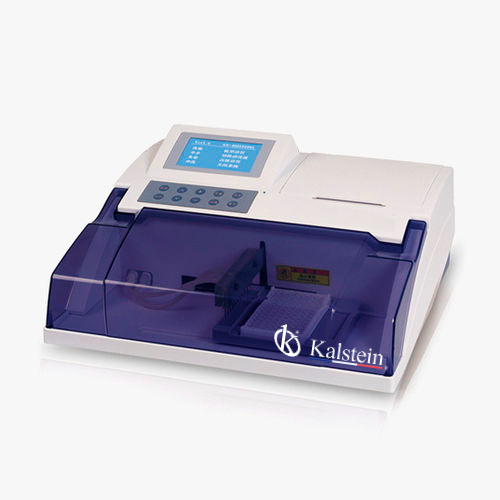
The Essential Role of Microplate Washer Analyzers in Laboratory Precision
Microplate Washer Analyzers, Kalstein Brand When it comes to laboratory equipment, reliability and precision are paramount. Kalstein, with its renowned reputation in the scientific sector, has made significant contributions to this field, particularly with their Microplate Washer Analyzers. These devices not only facilitate the complex process of washing and analyzing microplates but also ensure t
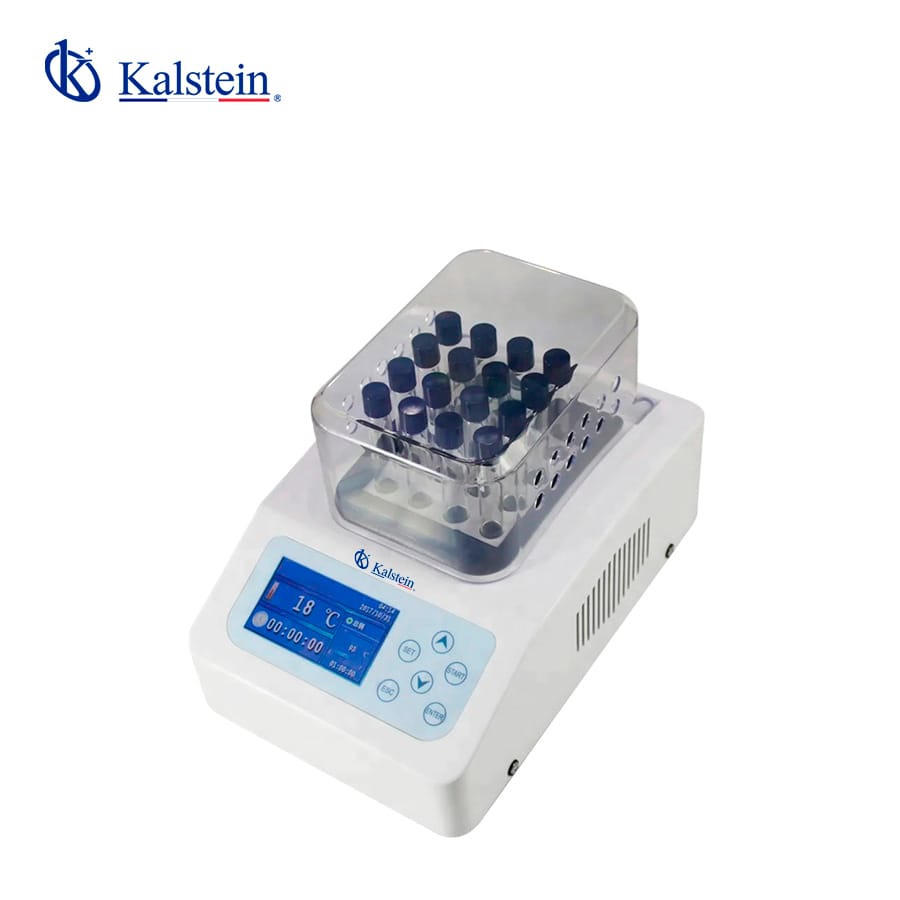
Unlocking Precision: A Comprehensive Look at Analyzers from Kalstein
Analyzers from Kalstein As someone closely familiar with laboratory equipment, I can confidently say that analyzers are indispensable tools in any lab setting. Kalstein, a renowned manufacturer in the laboratory equipment sector, offers a range of analyzers that promise reliability and precision. Let's explore what makes these devices stand out. Kalstein has earned its reputation by consistently p
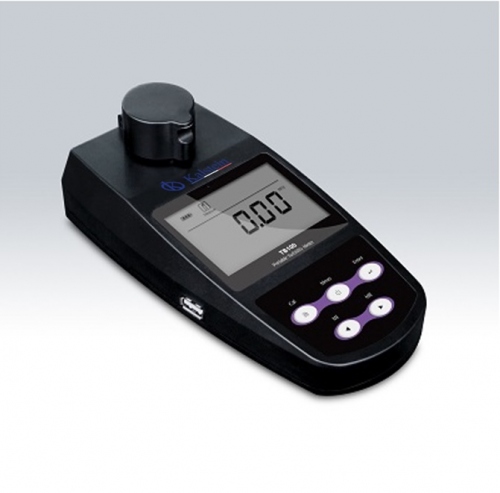
Discover the Best Turbidity Analyzers of 2024
The modern laboratory requires precise and efficient tools to ensure the reliability of the results obtained. Among these tools, turbidity analyzers are essential to determine the clarity or turbidity in various liquids and substances. As Kalstein manufacturer, we are proud to contribute to the evolution of these devices. In 2024, the technology of these devices has reached new heights and has become essential in every self-respecting laboratory.

Optimization and Efficiency: The Best Features of Kalstein's Microplate Analyzers
Microplate analysis has become an integral component of modern research and laboratory operations. Microplate analyzers are essential tools that facilitate high-demand data processing and interpretation. In a market filled with options, Kalstein stands out as a trusted manufacturer with a diverse range of microplate analyzers.
analyzers offer catalog
Guides about analyzers
Complete guides to choose analyzers
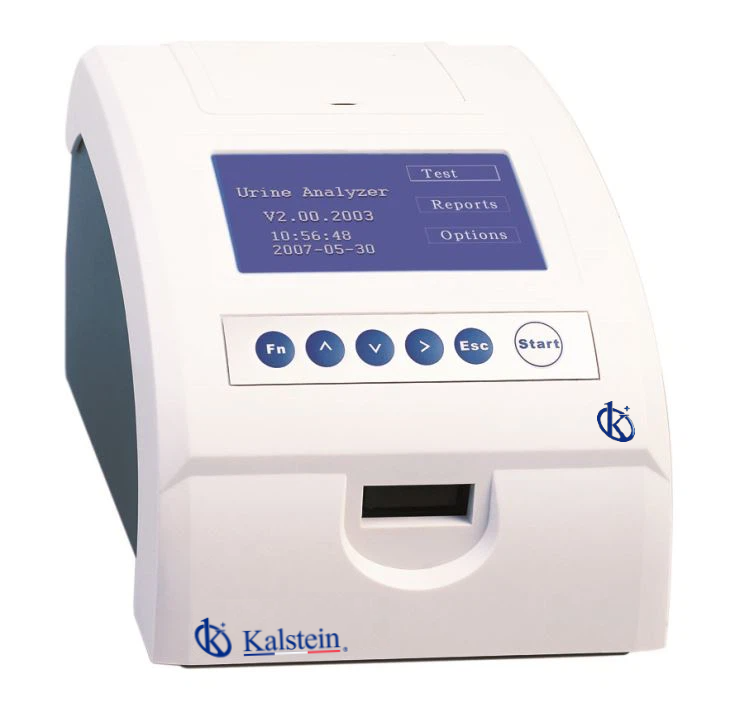
Transforming Science Through the Latest Innovations in Laboratory Analyzers
Efficiency and accuracy in science and medicine largely depend on the technology involved in laboratory research. A renowned manufacturer, Kalstein, continues to set trends in the innovation and design of laboratory analyzers. These devices
Leer más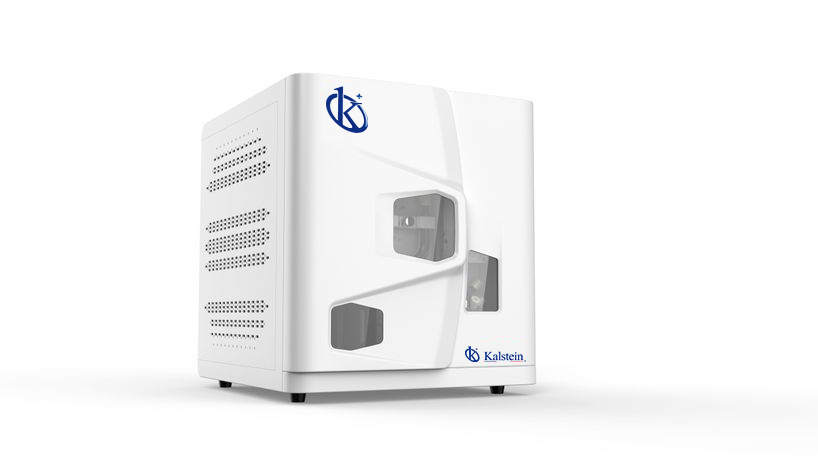
Supporting Efficiency: Kalstein Model YR TOC Analyzers for Laboratories
Accuracy, reliability and efficiency are vital in every analytical laboratory. Of course, state-of-the-art equipment is needed to ensure these results. Among these are the Kalstein Total Organic Carbon (TOC) analyzers model YR. These advanc
Leer más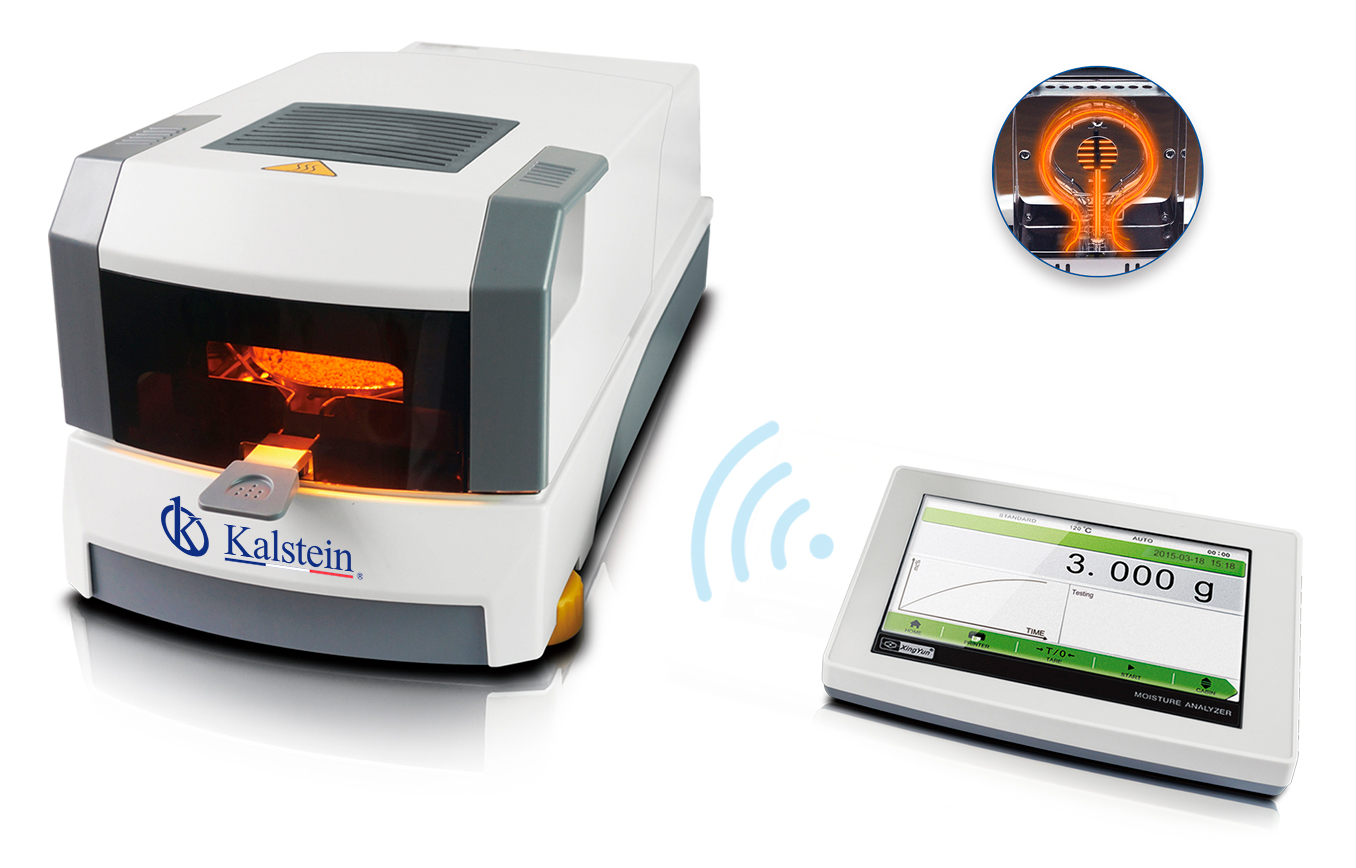
Unveiling Kalstein Model YR Moisture Analyzers: Features, Uses and Applications
Moisture analyzers are an essential tool in laboratories in various industries, from food and pharmaceutical, to construction and chemical. We at Kalstein are pleased to introduce the YR05558 // YR05561 Halogen Moisture Analyzer. With a com
Leer más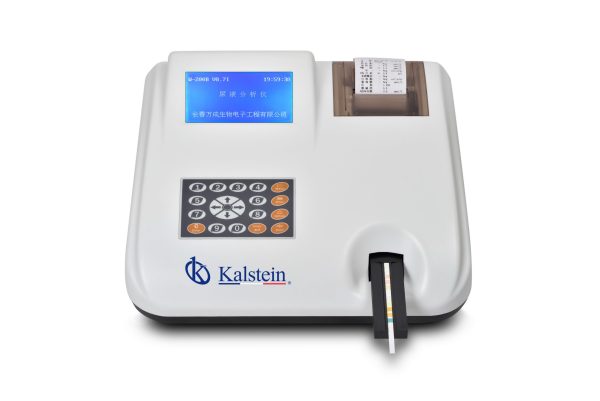
The importance of monitors and analyzers for laboratories
Monitors and analyzers are fundamental tools for laboratories, as they allow scientists and researchers to monitor and analyze the results of experiments and experiments carried out.
Leer másFrequently asked questions about Analyzers
How to know the prices of Analyzers?
To know the price of Analyzers, please send us an email with your request through the contact form AQUI.
What are the delivery times for Analyzers?
Delivery time depends on stock availability and freight type (air or sea). In stock: air 15-30 days, sea 45-60 days. Out of stock: air 30-60 days, sea 60-90 days.
How to make a purchase of Analyzers?
You can buy by email ([email protected]), phone (+33 (0) 1 70 39 26 50) or through the official Kalstein website in your country.
How does the warranty work for Analyzers?
All Kalstein equipment comes with a 1-year warranty against manufacturing defects. The warranty does not cover damage from improper installation or misuse. See our «terms and conditions» AQUI.
Can I request a quote online for Analyzers?
Yes, you can request a quote for the Kalstein equipment you are interested in directly from our official website. Click AQUI.