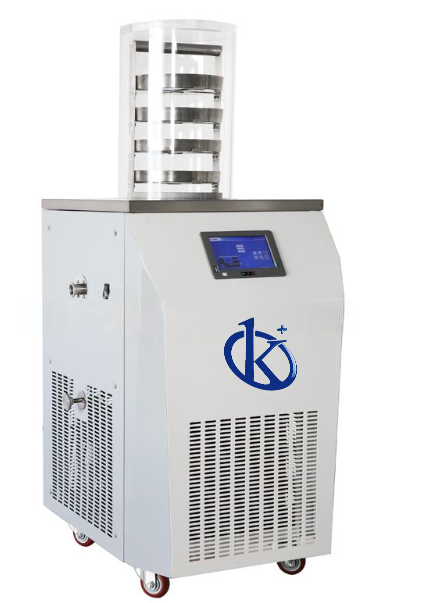
How to Ensure Biosafety Protocols and Safe Operator Handling with Vertical Laboratory Freeze Dryers?
In laboratories where vertical laboratory freeze dryers are utilized, strict adherence to biosafety protocols is paramount. These protocols ensure the safety of the operators handling the equipment and the integrity of the samples processed. This article delves into the key safety protocols and handling techniques specific to vertical freeze dryers, specifically focusing on models like the YR05198, YR05199, YR05200, YR05201, YR05985-1, and YR05985-2.
Understanding Biosafety Protocols in Laboratory Settings
Biosafety protocols are essential measures designed to protect laboratory personnel, the environment, and the public from exposure to potentially harmful biological agents. The application of these protocols when operating vertical laboratory freeze dryers minimizes risks associated with contamination and sample integrity.
Common Biosafety Levels and Their Relevance
Laboratories typically adhere to various biosafety levels (BSL) depending on the nature of the materials being handled. For instance, BSL-1 facilities manage agents that pose minimal risk, while BSL-2 deals with moderate risks. When working with vertical freeze dryers, it is crucial to classify the operation according to the biosafety level to implement appropriate protocols.
Personal Protective Equipment (PPE) Requirements
When operating vertical laboratory freeze dryers, proper personal protective equipment (PPE) must be utilized. This typically includes gloves, lab coats, goggles, and face shields to protect against exposure to hazardous materials. For example, when operating the YR05198 model, which has a high capacity for water vapor removal, PPE becomes crucial in preventing exposure during sample loading and unloading.
Operator Training and Handling Procedures
Operator training is vital for the safe use of freeze dryers. Comprehensive training programs should cover equipment functionalities, potential hazards, and emergency procedures. For example, operators using the YR05200 model should be trained on the specific procedures for safely loading and unloading samples while adhering to biosafety protocols.
Decontamination Protocols for Equipment and Workspace
Regular decontamination of workspaces and equipment is a cornerstone of biosafety. Laboratories must establish specific decontamination protocols to ensure that surfaces are free from contaminants. For vertical freeze dryers such as the YR05985-1, regular cleaning of the lyophilization chamber is necessary to maintain safety standards.
Ventilation and Environmental Controls
Proper ventilation systems are crucial in laboratories using vertical freeze dryers. These systems help to mitigate the buildup of harmful vapors and aerosols during the freeze-drying process. Ensuring that models like the YR05199 are operated in well-ventilated areas can significantly enhance operator safety.
Waste Management and Disposal Protocols
Laboratories must adhere to established waste management protocols to safely dispose of biohazardous materials. This includes proper segregation, labeling, and disposal methods for waste generated from freeze-drying operations. Ensuring compliance with these protocols protects both laboratory personnel and the environment.
Emergency Procedures and Incident Reporting
Every laboratory should have clear emergency procedures in place. This includes guidelines for handling spills, equipment malfunctions, and other incidents. For example, if an operator encounters a leak in the YR05201 model during operation, they must follow specific emergency protocols to mitigate risks.
Comparison of Available Models
| Model | Key Features | Best For | Price (USD) |
|---|---|---|---|
| YR05198 | 0.18-0.27 m² lyophilization area | Routine lab use | 4392.00 |
| YR05199 | 0.09 m² lyophilization area | Small batch processing | 4882.00 |
| YR05200 | 0.18-0.27 m² lyophilization area | Higher capacity needs | 4178.00 |
| YR05201 | 0.09 m² lyophilization area | Compact labs | 5061.00 |
| YR05985-1 | 0.7 m² lyophilization area | Fruits and vegetables | 16800.00 |
| YR05985-2 | 1.04 m² lyophilization area | Large-scale operations | 21000.00 |
Common Mistakes and How to Avoid Them
In the realm of vertical laboratory freeze dryers, there are several common pitfalls that labs often encounter. These mistakes range from improper loading of samples to neglecting maintenance schedules which can compromise both safety and sample integrity.
Frequently Asked Questions
How can I ensure compliance with biosafety protocols when using vertical freeze dryers?
To ensure compliance with biosafety protocols while using vertical freeze dryers like the YR05198, it's essential to implement stringent PPE requirements, conduct regular training, and adhere to decontamination protocols. Best practices include using appropriate containment measures to protect operators and samples from contamination.
What training is necessary for operators of vertical laboratory freeze dryers?
Operators of vertical laboratory freeze dryers, such as the YR05201, require training that covers equipment operation, biosafety protocols, and emergency response. This training helps ensure that operators can handle the equipment safely and respond effectively to any incidents that may arise during operation.
What decontamination protocols should be followed after using freeze dryers?
Decontamination protocols following the use of freeze dryers like the YR05985-1 include cleaning the lyophilization chamber with appropriate disinfectants, managing any biohazardous waste properly, and documenting the cleaning process to ensure compliance with laboratory safety standards.
Which vertical freeze dryer is best for small batch processing?
The YR05199 model is ideal for small batch processing due to its compact size and efficient lyophilization capabilities. This model supports safe handling and operational efficiency within biosafety protocols, making it suitable for moderate laboratory environments.
How does ventilation affect the operation of vertical laboratory freeze dryers?
Ventilation significantly affects the operation of vertical laboratory freeze dryers by reducing the risk of hazardous vapor accumulation. For models like the YR05200, ensuring proper airflow can enhance the safety of the operator and improve the overall efficiency of the freeze-drying process.
What are the best practices for waste disposal in labs using freeze dryers?
Best practices for waste disposal in labs using vertical freeze dryers include using designated containers for biohazardous waste, ensuring that all waste is clearly labeled, and following local regulations for disposal. Adhering to these practices protects both personnel and the environment.
What emergency procedures should be established for freeze dryer operations?
Emergency procedures for freeze dryer operations, such as those involving the YR05985-2 model, should include protocols for managing spills, equipment failures, and exposure incidents. Documenting these procedures ensures that all lab personnel understand how to respond effectively in emergencies.
How can I improve operator safety when handling vertical freeze dryers?
Improving operator safety when handling vertical freeze dryers involves implementing comprehensive training, ensuring proper PPE usage, and establishing clear safety protocols. Regular safety audits can also help identify areas for improvement, especially when operating multiple models like the YR05198 and YR05201.
If you are looking for a fusion of innovation and quality, you have come to the right place. At Kalstein, we offer you the luxury of exploring our exclusive catalog of laboratory equipment. We manufacture every device to the highest standards of excellence. Our intuitive and seamless online purchasing channels are designed for your convenience, securing the most competitive prices. Hesitate no longer — we bring science to life, it is time to become part of our community.