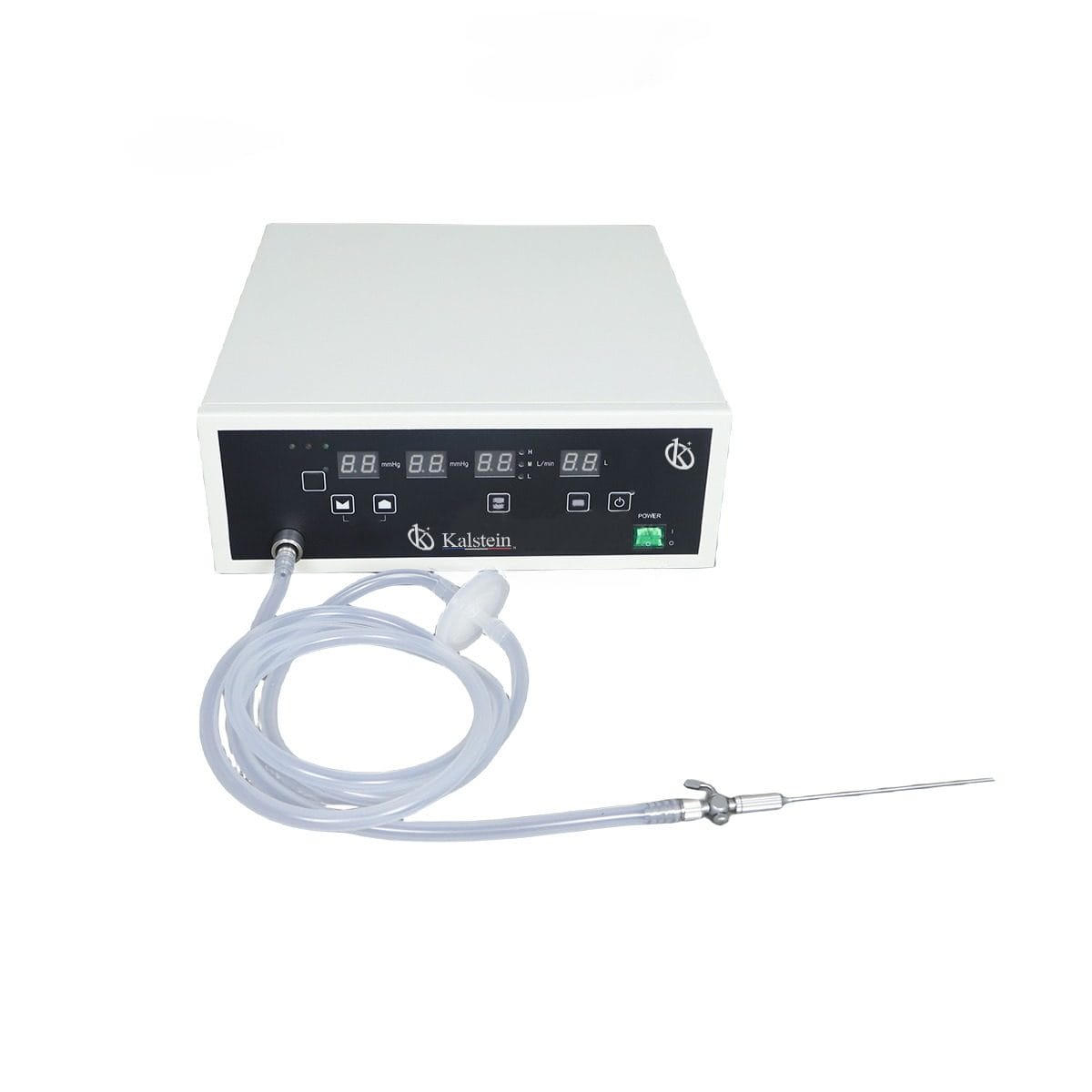
Biosafety Protocols and Safe Operator Handling in Veterinary Laparoscopy Systems
As the field of veterinary medicine advances, the importance of safety and efficacy in surgical procedures becomes paramount. Veterinary laparoscopy systems play a crucial role in minimally invasive surgeries, but they also require strict adherence to biosafety protocols and safe operator handling practices. This article explores various models of veterinary laparoscopy systems while emphasizing the necessary biosafety measures to ensure both operator and patient safety.
Understanding Biosafety Protocols in Veterinary Laparoscopy
Biosafety protocols are essential in any veterinary surgical environment, particularly when utilizing laparoscopic equipment. These protocols minimize risks associated with chemical exposure, biological agents, and operational hazards. Implementing comprehensive biosafety measures can safeguard both the surgical team and animal patients during procedures.
Key components of biosafety protocols include risk assessment, proper training, use of personal protective equipment (PPE), and effective decontamination procedures. Such measures ensure that the surgical environment remains sterile and safe throughout the procedure.
Safe Operator Handling Practices
Safe operator handling practices are vital in minimizing accidents and ensuring effective outcomes during veterinary laparoscopic surgeries. Operators must be well-trained in the use of equipment, such as insufflators and imaging systems. Knowledge of operational limits and emergency protocols significantly contributes to workplace safety.
Furthermore, ergonomic practices should be integrated to prevent physical strain. Proper positioning and use of equipment can help maintain operator well-being while ensuring high-quality surgical performance.
Comparison of Available Models
| Model | Features | Best for | Price (USD) |
|---|---|---|---|
| YR06157 | Automated design, adjustable flow rates (4L/6L/10L), built-in alarms | Small animals like dogs and cats | 1900.00 |
| YR06156 | Compact imaging system, portable, supports various endoscopy types | Flexible surgical environments | 7700.00 |
| YR06158 | Touchscreen interface, high-flow CO2 delivery, long operational life | General laparoscopic surgeries | 3000.00 |
Common Mistakes and How to Avoid Them
When implementing biosafety protocols in veterinary laparoscopic procedures, common mistakes can hinder safety and efficiency. One frequent issue is lack of comprehensive training for operators, which can lead to improper equipment use. Ensuring all team members are well-versed in protocols mitigates this risk.
Another mistake is neglecting to regularly maintain and calibrate equipment, which is essential for safe operation. Regular checks on devices like CO2 insufflators (e.g., YR06157 and YR06158) can prevent malfunction and enhance performance.
Frequently Asked Questions
What are the best biosafety protocols for using veterinary laparoscopy systems?
Implementing biosafety protocols like proper PPE usage, risk assessment, and decontamination measures is essential for safe operations in veterinary laparoscopy. Models such as YR06157 and YR06158 come with built-in alarms that enhance safety during procedures.
How does operator training impact the use of veterinary laparoscopy equipment?
Operator training is crucial for effectively using veterinary laparoscopy equipment, as it reduces the likelihood of accidents and enhances procedural success. Systems like YR06156 provide intuitive interfaces that facilitate easier training.
Which veterinary laparoscopy system is best for small animal surgeries?
The Veterinary CO2 Insufflator YR06157 is specifically designed for small animals, offering adjustable flow rates and safety alarms to ensure optimal performance and safety during procedures.
How can I ensure the safety of my surgical team during laparoscopic procedures?
Ensuring your surgical team's safety involves comprehensive training, adherence to biosafety protocols, and using reliable equipment like the YR06158, which features a touchscreen for ease of use and safety monitoring.
What are the common decontamination protocols for veterinary surgical equipment?
Common decontamination protocols include the use of EPA-approved disinfectants, proper cleaning techniques, and regular equipment maintenance. Implementing these protocols contributes to a safe environment during surgeries with devices such as YR06156.
How often should veterinary laparoscopy systems be calibrated?
Veterinary laparoscopy systems should be calibrated regularly, typically every six months, or after specific use cases, to ensure accuracy and safety. Using models like YR06157 can help streamline these processes with integrated alarms that indicate malfunctions.
What is the impact of ergonomic practices on operator health in surgeries?
Implementing ergonomic practices can significantly reduce physical strain on operators during surgeries, promoting better health and efficiency. Utilizing adjustable equipment like the YR06156 allows operators to maintain comfortable positions throughout procedures.
Which factors should I consider when choosing a veterinary laparoscopy system?
Key factors to consider include the system's features, compatibility with surgical procedures, safety protocols, and support for small animals. The YR06158 offers flexibility in CO2 flow rates and user-friendly interfaces for diverse surgical needs.
If you are looking for a fusion of innovation and quality, you have come to the right place. At Kalstein, we offer you the luxury of exploring our exclusive catalog of laboratory equipment. We manufacture every device to the highest standards of excellence. Our intuitive and seamless online purchasing channels are designed for your convenience, securing the most competitive prices. Hesitate no longer — we bring science to life, it is time to become part of our community.