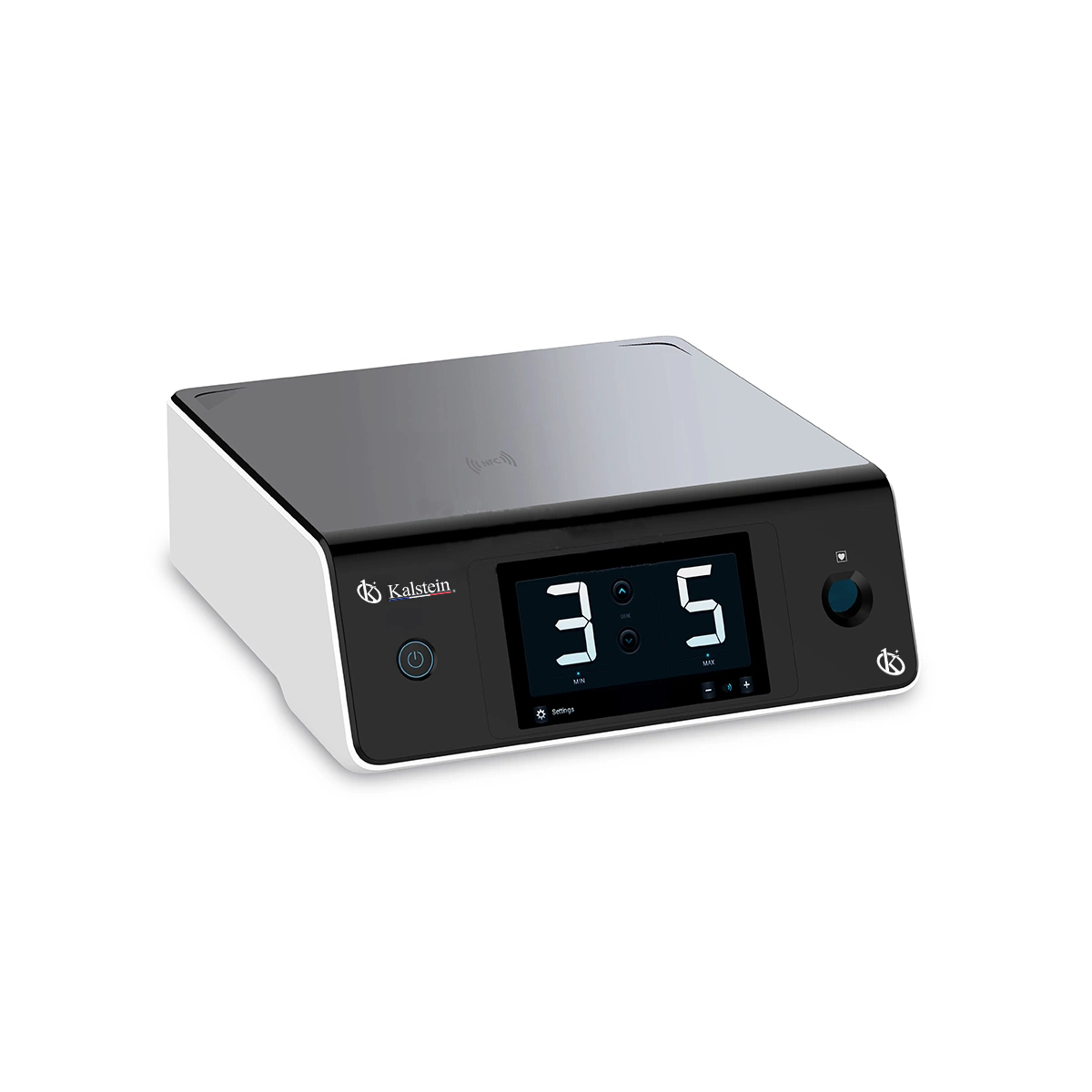
Ensuring Biosafety and Safe Operator Management in Veterinary Electrosurgical Units
The integration of biosafety protocols into the operation of veterinary electrosurgical units is critical for the protection of both the operator and the patient. As the field of veterinary surgery continues to evolve, understanding how to effectively manage biosafety is essential for enhancing the safety of surgical procedures. This article examines the protocols and best practices that veterinary professionals should implement to ensure a safe working environment while using electrosurgical equipment.
Understanding Biosafety Protocols in Veterinary Medicine
Biosafety protocols are designed to minimize the risk of exposure to biological hazards that may arise during the use of electrosurgical units in veterinary surgeries. These protocols encompass a range of measures, including personal protective equipment (PPE), decontamination practices, and risk assessment strategies. Understanding and implementing these protocols is vital for ensuring safe operator management in this field.
The Importance of Personal Protective Equipment (PPE)
Proper use of personal protective equipment (PPE) is a cornerstone of biosafety in veterinary surgery. Operators should wear gloves, gowns, masks, and face shields to protect against exposure to biological materials during procedures. Additionally, PPE should be selected based on the specific risks associated with the electrosurgical unit being used, such as the Veterinary Ultrasonic Scalpel YR06129, which requires careful handling to avoid thermal injury.
Risk Assessment and Management Strategies
Conducting thorough risk assessments prior to surgery allows veterinary professionals to identify potential hazards associated with electrosurgical units. This includes evaluating the safety features of each model, such as the Veterinary Blood Vessel Sealing Generator YR06130, which is designed to enhance safety during procedures. By implementing management strategies to mitigate identified risks, surgical teams can create a safer environment.
Decontamination Protocols for Electrosurgical Units
Effective decontamination of electrosurgical units is vital to prevent cross-contamination between patients. Regular cleaning protocols should be established based on the manufacturer's guidelines for each model, such as the Vascular Blood Vessel Sealing Generator (LigaSure) YR06131. Operators should be trained on the proper use of disinfectants and cleaning agents to ensure the equipment remains safe and effective.
Comparative Analysis of Electrosurgical Units
When selecting electrosurgical units, it is essential to consider their biosafety features and operator management capabilities. The comparison below highlights the models available within this category:
| Model | Key Features | Best for | Safety Features |
|---|---|---|---|
| YR06129 | Ultrasonic cutting, reliable tissue sealing | General surgeries | Stable output, automatic transducer detection |
| YR06130 | High performance compression energy | Gastrointestinal surgeries | Multifunctional settings, touchscreen control |
| YR06131 | Uniform sealing, low smoke generation | Laparoscopic and open procedures | Automatic start/stop identification |
| YR06132 | Multiple coagulation modes | Open surgery | Minimal tissue damage, adjustable settings |
| YR06133 | Portable diode laser, dual wavelength | Field surgeries | Compact design, easy transport |
| YR06134 | Enhanced laser features for various applications | Mobile surgical units | High integration for easy maintenance |
Common Mistakes and How to Avoid Them
Veterinary professionals often encounter several common mistakes related to biosafety and operator management. These include inadequate PPE selection, neglecting to update cleaning protocols, and failing to conduct proper risk assessments. To avoid these pitfalls, it is essential to develop a comprehensive biosafety plan, provide ongoing training for staff, and regularly review and update protocols as needed.
Frequently Asked Questions
What biosafety measures should be implemented when using electrosurgical units in veterinary surgery?
Implementing biosafety measures such as appropriate PPE, thorough risk assessments, and decontamination protocols is crucial. For instance, using the Veterinary Blood Vessel Sealing Generator YR06130 requires specific protective gear to manage risks associated with its operation effectively.
Which veterinary electrosurgical unit offers the best biosafety features for operator protection?
The Vascular Blood Vessel Sealing Generator (LigaSure) YR06131 is noted for its automatic start/stop identification, enhancing operator safety during procedures by minimizing risks related to exposure to biological materials.
How can veterinary practices ensure compliance with biosafety regulations when using electrosurgical devices?
Veterinary practices can ensure compliance by establishing clear protocols that cover PPE use, risk assessment, and decontamination practices. Regular training and equipment evaluation, especially for models like the Veterinary Ultrasonic Scalpel YR06129, help maintain compliance.
What are the key considerations for training staff on biosafety in surgical environments?
Key considerations include understanding proper PPE use, decontamination procedures, and emergency protocols. Training should emphasize protocols specific to the equipment being used, like the Veterinary Electrosurgical Unit YR06132, to mitigate risks effectively.
How often should electrosurgical units be decontaminated in veterinary surgeries?
Electrosurgical units should be decontaminated after each use, especially high-contact devices like the Portable Diode Laser System for Veterinary Surgery YR06133. Regular maintenance schedules can further enhance safety and compliance.
What impact do biosafety protocols have on the efficiency of veterinary surgeries?
Implementing robust biosafety protocols can significantly enhance the efficiency of veterinary surgeries by minimizing complications and ensuring a safer operating environment. For example, the Veterinary Blood Vessel Sealing Generator YR06130 can save time when used in conjunction with effective biosafety measures.
Which veterinary electrosurgical units are best suited for minimizing smoke during procedures?
The Vascular Blood Vessel Sealing Generator (LigaSure) YR06131 is recognized for its low smoke generation during surgical procedures, making it an excellent choice for environments where visibility and air quality are critical.
If you are looking for a fusion of innovation and quality, you have come to the right place. At Kalstein, we offer you the luxury of exploring our exclusive catalog of laboratory equipment. We manufacture every device to the highest standards of excellence. Our intuitive and seamless online purchasing channels are designed for your convenience, securing the most competitive prices. Hesitate no longer — we bring science to life, it is time to become part of our community.