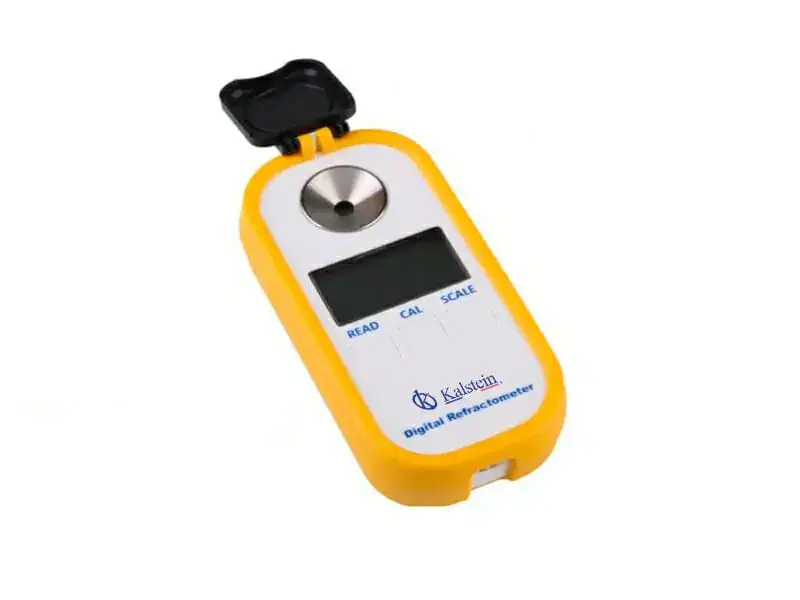
Comparative Analysis of Digital BRIX Refractometers: Understanding Market Alternatives
The Digital BRIX Refractometer is a vital tool in laboratories for measuring the concentration of soluble solids in various aqueous solutions. With advances in technology, it is essential to evaluate the available models in the market to ensure the selection of the best-fitting device for your specific laboratory needs. This article provides a comprehensive comparative analysis of Digital BRIX Refractometers, focusing on their specifications, features, and performance against alternative technologies.
Understanding the Digital BRIX Refractometer Family
Digital BRIX Refractometers are precision instruments designed primarily for measuring sugar concentrations in solutions like fruit juices, syrups, and other beverage products. They offer automatic temperature compensation (ATC), ensuring accurate readings across a temperature range of 0-40°C (32-104°F). This technology is pivotal in industries such as food and beverage where consistent quality control is crucial.
Each model in this family comes with unique specifications tailored for varying applications, making it necessary for laboratory professionals to understand these differences in order to select the right model. An in-depth analysis can help laboratories optimize productivity and ensure they meet compliance standards.
Comparison of Available Models
| Model Code | Measurement Range | Minimum Division | Accuracy | ATC | Best For |
|---|---|---|---|---|---|
| YR05944 | Brix: 0.0-50.0% | 0.10% | ±0.2% | Yes | Fruit juice analysis |
| YR05945 | Brix: 0.0-90.0% | 0.10% | ±0.2% | Yes | Syrup and beverage production |
| YR05946 | Refractive Index: 1.3330-1.5177nD | 0.0001nD | ±0.0003nD | Yes | Quality control for beverages |
| YR05947 | Dextran: 0.0-10.6% | 0.10% | ±0.2% | Yes | Pharmaceutical applications |
| YR05948 | Fructose: 0.0-68.9% | 0.10% | ±0.2% | Yes | Food industry |
| YR05949 | Glucose: 0.0-59.9% | 0.10% | ±0.2% | Yes | Medical and diagnostics |
Common Mistakes and How to Avoid Them
When selecting a Digital BRIX Refractometer, several common mistakes can hinder optimal laboratory performance. One prevalent error is overlooking the measurement range. Laboratories focusing on high sugar content solutions should consider models like YR05945, which measures up to 90.0% Brix. Another mistake is neglecting to account for temperature variations; without ATC, readings may be inaccurate, especially in fluctuating environments. Ensuring that the chosen model supports ATC allows for reliable results, fostering quality control.
Deep Dive into Market Alternatives
When comparing Digital BRIX Refractometers to alternative technologies, such as analog refractometers, the advantages become apparent. Digital models like the YR05944 provide instant readings with greater accuracy and ease of use, eliminating manual calibration efforts. Furthermore, digital refractometers often come equipped with features like data storage and connectivity options for integration into laboratory information management systems (LIMS). This integration facilitates streamlined data management, contrasting sharply with traditional models that lack such capabilities.
Technical Specifications and Performance Metrics
To understand the performance metrics of Digital BRIX Refractometers, it is crucial to analyze their specifications closely. For instance, the YR05946 model excels in measuring refractive indexes and is exceptional for quality control in beverage sectors, allowing for minimal variations in measurements. Utilizing such models ensures laboratories adhere to industry standards, promoting efficiency and product reliability. The ability to measure specific indices on a granular level can significantly impact product consistency.
Calibration and Maintenance Protocols
Calibration is essential for maintaining the accuracy of refractometers. Regular calibration against known standards should follow a schedule, especially in high-volume labs. A typical calibration interval for Digital BRIX Refractometers might be quarterly, but it can vary based on usage frequency. Establishing a robust calibration log can help in maintaining compliance and ensuring data integrity, thus reducing potential errors in measurements.
Industry Insights and Trends
The laboratory equipment market is evolving, with increased demand for Digital BRIX Refractometers due to their precision and efficiency. Trends indicate a move towards smart technologies with features that facilitate data sharing and connectivity. Models like YR05947 are designed to cater to specialized applications such as dextran measurement, pointing to diversification in laboratory needs. Keeping abreast of these trends is crucial for laboratories aiming to enhance productivity and accuracy.
Frequently Asked Questions
How do Digital BRIX Refractometers compare with traditional refractometers in accuracy?
Digital BRIX Refractometers, such as YR05944, typically offer greater accuracy than traditional models. They provide digital readings that eliminate human error associated with manual scales, ensuring precise measurements for various solutions.
What is the best Digital BRIX Refractometer for measuring high sugar content solutions?
The YR05945 model is ideal for measuring high sugar concentrations, with a range of up to 90.0% Brix, making it suitable for applications involving syrups and concentrated juices.
Which Digital BRIX Refractometer is best for pharmaceutical applications?
For pharmaceutical applications, the YR05947 model is recommended, as it is designed specifically for dextran measurements, providing reliable results necessary for drug formulation and quality assurance.
How often should Digital BRIX Refractometers be calibrated?
Calibration of Digital BRIX Refractometers like the YR05946 should typically occur quarterly, but more frequent calibration may be required in high-volume settings to maintain accuracy and compliance.
What factors affect the choice of a Digital BRIX Refractometer?
Key factors include the measurement range, accuracy, and specific applications. For instance, if your work involves high sugar solutions, the YR05945 is a preferred choice due to its broader measurement capabilities.
How can I integrate a Digital BRIX Refractometer into a laboratory information management system?
Integration typically involves establishing connectivity protocols supported by the refractometer. Models like YR05946 may offer features that facilitate seamless data transfer to your LIMS.
What is the operational temperature range for Digital BRIX Refractometers?
Most Digital BRIX Refractometers, including the YR05944, operate effectively within a temperature range of 0-40°C (32-104°F), making them versatile for various laboratory environments.
Conclusion
Choosing the right Digital BRIX Refractometer involves understanding the specific needs of your laboratory and evaluating the comparative features of available models. By analyzing specifications, performance metrics, and integration capabilities, laboratories can enhance their operational efficiency and meet industry standards effectively.
If you are looking for a fusion of innovation and quality, you have come to the right place. At Kalstein, we offer you the luxury of exploring our exclusive catalog of laboratory equipment. We manufacture every device to the highest standards of excellence. Our intuitive and seamless online purchasing channels are designed for your convenience, securing the most competitive prices. Hesitate no longer — we bring science to life, it is time to become part of our community.