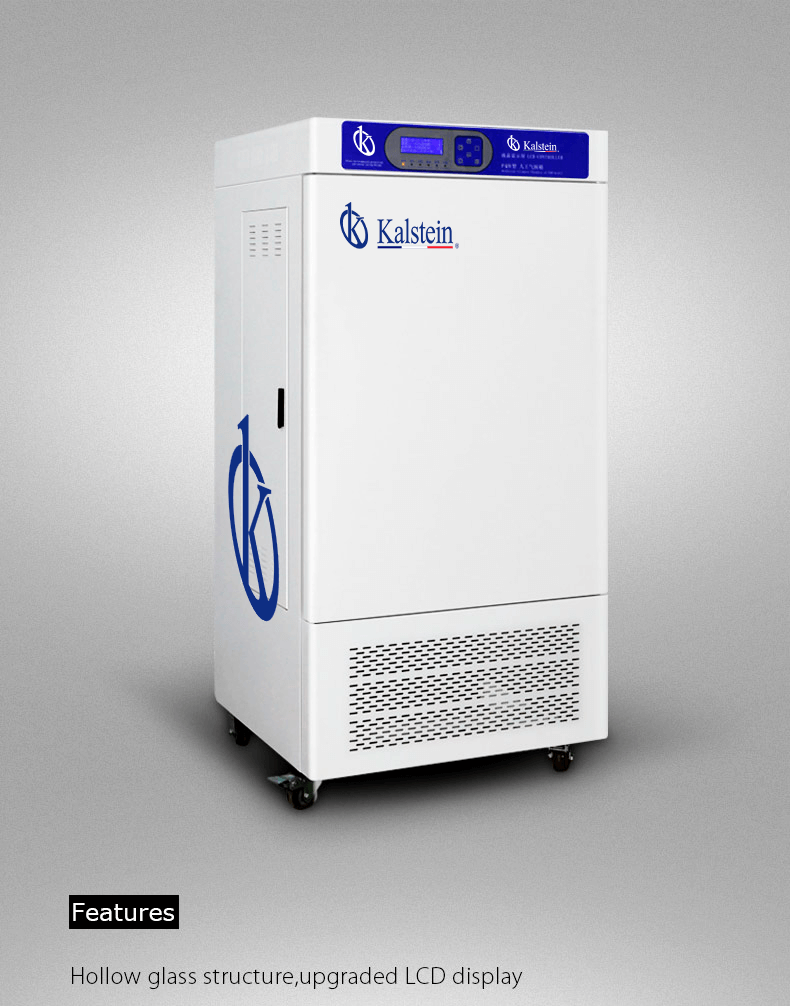
Comparative Analysis of Plant Growth Chambers: Key Features and Alternatives
Plant growth chambers are essential in modern laboratories, offering controlled environments for plant research, germination, and other biological experiments. With various models available, understanding their features and how they compare to alternative technologies is crucial for laboratory professionals. This article will delve into the specific models available, their applications, and how they stand against other methods in the market.
Overview of Plant Growth Chambers
Plant growth chambers are designed to simulate a variety of growth conditions, allowing researchers to manipulate factors such as temperature, humidity, and light intensity. Different models cater to unique applications such as seed germination, microbial growth, and temperature experiments. In this analysis, we will compare multiple models from the YR series, focusing on their technological advantages and applications.
Comparison of Available Models
| Model | Temperature Range (°C) | Light Intensity (LX) | Power (W) | Volume (L) | Best For |
|---|---|---|---|---|---|
| YR05331 | 10~50 (with light), 5~60 (without light) | 0~10000 | 900 | 150 | Seed germination, microbial testing |
| YR05332 | 10~50 (with light), 5~60 (without light) | 0~15000 | 1000 | 250 | Plant growth research, quality testing |
| YR05333 | 10~50 (with light), 5~60 (without light) | 0~15000 | 1200 | 350 | Advanced plant biology studies |
Key Advantages of Plant Growth Chambers
The YR series models come equipped with several benefits that enhance their usability in laboratory settings. These include:
- Balanced cooling systems: This feature ensures a stable environment, crucial for sensitive experiments.
- Automatic defrosting: Reduces maintenance efforts and ensures consistent performance.
- Environmentally friendly refrigerants: The use of non-fluorinated refrigerants aligns with modern sustainability goals.
Energy Efficiency and Environmental Impact
When evaluating plant growth chambers, energy consumption plays a crucial role. Models like the YR05332, with a power rating of 1000W, are designed to optimize energy use while maintaining performance standards. Understanding the kWh per run can help laboratories assess their operational costs and environmental footprint.
Common Mistakes and How to Avoid Them
Laboratory professionals often make mistakes in selecting plant growth chambers. Common errors include:
- Neglecting to assess the specific needs for light intensity and temperature range.
- Overlooking the importance of chamber volume in relation to experimental scale.
- Ignoring energy consumption metrics, leading to higher operational costs.
To avoid these pitfalls, thorough research and understanding of your laboratory's needs are essential.
Frequently Asked Questions
How do I choose the right plant growth chamber for my laboratory needs?
Choosing the right plant growth chamber involves assessing the specific applications required. For instance, the YR05331 is ideal for seed germination and microbial testing with a light intensity of up to 10,000 LX.
What energy efficiency standards should I consider for plant growth chambers?
Energy efficiency standards like ENERGY STAR are crucial for selecting plant growth chambers. Models such as the YR05332, which operates at 1000W, can help minimize operational costs through their efficient design.
Which model is best for advanced plant biology studies?
The YR05333, with a volume of 350L and light intensity of up to 15,000 LX, is best suited for advanced plant biology studies due to its adjustable lighting and controlled environment features.
How can I reduce energy consumption in my laboratory with plant growth chambers?
Choosing energy-efficient models like the YR05332 can help laboratories reduce overall energy consumption while maintaining effective plant growth conditions, thus aligning with sustainability goals.
What features should I look for in a plant growth chamber for microbial testing?
For microbial testing, features such as temperature control, humidity regulation, and adjustable lighting are essential. The YR05331 excels with its balanced cooling and automatic defrosting capabilities.
How often should plant growth chambers be calibrated for accurate results?
Plant growth chambers should be calibrated regularly, ideally every 6-12 months, to ensure accurate temperature and light readings. This is crucial for models like the YR05333, which is used for sensitive biological experiments.
What is the typical lifespan of a plant growth chamber?
The typical lifespan of a plant growth chamber ranges from 10 to 15 years, depending on usage, maintenance, and the specific model. Proper care can extend the life of models like the YR05332 significantly.
How can I maximize the return on investment for my plant growth chamber purchase?
To maximize ROI, select a model that fits multiple applications, such as the YR05332, which is versatile enough for both plant growth research and quality testing while maintaining operational efficiency.
If you're looking for a fusion of innovation and quality, you have come to the right place. At Kalstein, we offer you the luxury of exploring our exclusive catalog of laboratory equipment. We manufacture every device to the highest standards of excellence. Our intuitive and seamless online purchasing channels are designed for your convenience, securing the most competitive prices. Hesitate no longer — we bring science to life, it is time to become part of our community.