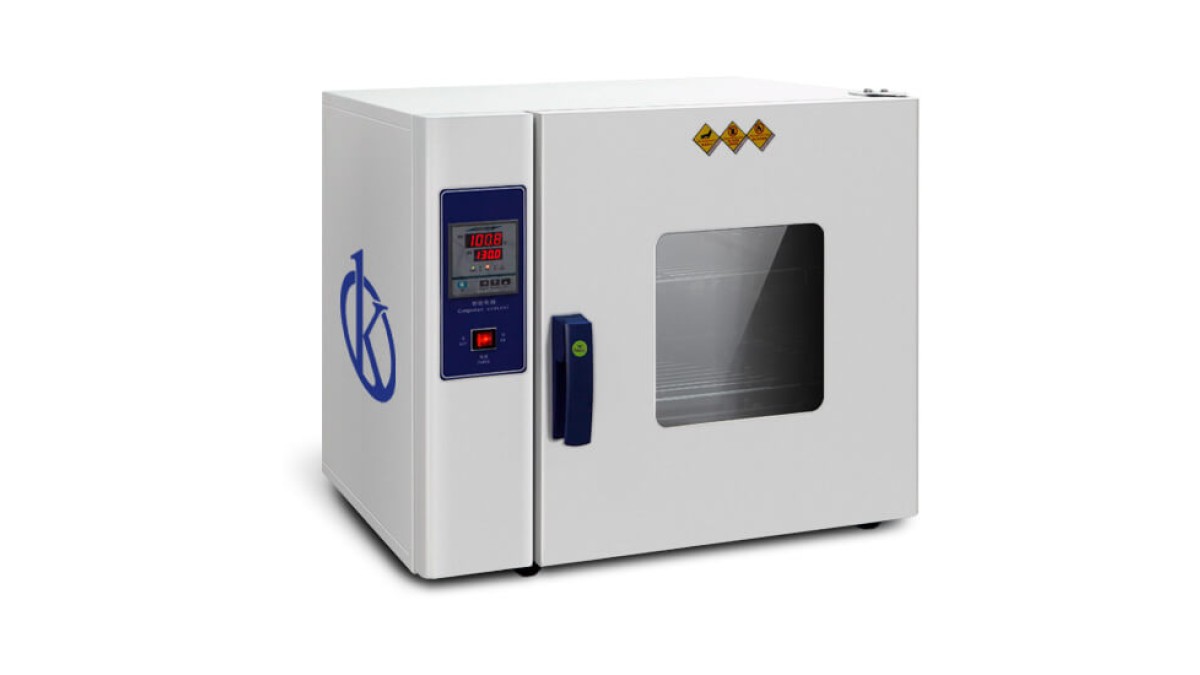
Drying Ovens: Practical Applications and Techniques 2026
Drying ovens are essential tools in various laboratory settings, providing the capability to dry, sterilize, and treat materials effectively. This article delves into the applications, usage techniques, and best practices for drying ovens, focusing on their role in research, biotechnology, and academic environments.
What is it used for in 2026
In 2026, drying ovens are widely utilized across multiple sectors, including laboratories, biotechnology, and academia. Their applications range from material drying to sterilization and thermal treatment. They are particularly valuable for:
- Drying samples and materials before analysis.
- Sterilizing tools and equipment to ensure contamination-free results.
- Providing stable temperature environments for sensitive processes.
- Supporting research in fields like biology, agriculture, and medicine.
History and evolution of the technology
The evolution of drying ovens dates back to the early days of laboratory equipment. Initially, these ovens relied on simple heating elements for drying purposes. Over the years, technological advancements have led to the development of more sophisticated models equipped with PID microcomputer control, precise LED temperature displays, and advanced safety features, including overheating alarms. Modern drying ovens now incorporate forced air circulation systems to enhance uniform drying and efficiency, making them indispensable in contemporary laboratories.
How to use it step by step
Using a drying oven effectively involves several key steps:
- Preparation: Ensure the oven is clean and free of contaminants. Familiarize yourself with the model’s specifications and settings.
- Loading: Place samples or materials inside the oven, ensuring proper spacing for air circulation.
- Setting the Temperature: Adjust the oven settings to the required temperature, typically between RT+5 and 250°C.
- Timing: Set the timer based on the specific drying or sterilization protocol needed.
- Monitoring: Regularly check the oven’s display for temperature consistency and timer progress.
- Completion: Once the drying cycle is complete, carefully remove samples, allowing them to cool before handling.
Best techniques and protocols
To achieve optimal results when using drying ovens, consider the following techniques and protocols:
- Utilize appropriate loading techniques to prevent overcrowding and ensure even heat distribution.
- Regularly calibrate the oven to maintain temperature accuracy.
- Implement proper safety measures, including using heat-resistant gloves when handling hot materials.
- Document drying times and temperatures to refine processes and ensure reproducibility in experiments.
Practical applications by laboratory type
Different laboratory types leverage drying ovens in unique ways:
- Research Laboratories: For drying chemical samples and preparing materials for analysis.
- Biotechnology: To sterilize culture media and laboratory tools, ensuring sterility in biological experiments.
- Academic Institutions: Used in educational labs for teaching students about thermal processes and material handling.
Regulations, standards and certifications
Drying ovens must comply with various regulations and standards to ensure safety and performance:
- ISO and ASTM standards governing laboratory equipment.
- Occupational safety regulations to protect laboratory personnel.
- Certification from relevant health and safety organizations, confirming adherence to operational guidelines.
Comparison with alternative technologies
While drying ovens are crucial, some alternative technologies include:
- Lyophilizers: Used for freeze-drying sensitive materials.
- Microwave Dryers: Provide rapid drying through microwave radiation.
Each technology has its strengths, but drying ovens remain favored for their versatility and reliability.
Comparison of available models
| Model | Best for | Key specs | Recommended use case |
|---|---|---|---|
| YR05244 | General drying and sterilization | Temperature Range: RT+5~250℃, Precision: ±0.1℃ | Ideal for laboratory applications requiring high temperature uniformity |
| YR05245 | High precision applications | Temperature Range: RT+5~250℃, Precision: ±0.1℃ | Best for experiments needing stringent temperature control |
| YR05246 | Advanced sterilization processes | Temperature Range: RT+5~250℃, Precision: ±0.1℃ | Recommended for high-throughput sterilization tasks |
| YR05247 | Routine drying tasks | Temperature Range: RT+5~250℃, Precision: ±0.1℃ | Well-suited for daily laboratory drying needs |
| YR05248-A | Routine laboratory use | Temperature Range: RT+5~250℃, Power: 1kW | Cost-effective option for standard laboratory tasks |
| YR05249-A | Versatile applications | Temperature Range: RT+5~250℃, Power: 1kW | Recommended for various drying needs across departments |
Common mistakes and how to avoid them
When using drying ovens, common mistakes include:
- Overloading the oven, which can lead to uneven drying.
- Not preheating the oven before loading samples, affecting drying efficiency.
- Ignoring safety protocols, leading to potential accidents.
To avoid these issues, ensure adherence to manufacturer guidelines and implement regular training for laboratory personnel.
Maintenance, calibration and good practices 2026
Regular maintenance of drying ovens is essential for optimal performance:
- Calibrate temperature settings biannually to ensure accuracy.
- Keep the internal surfaces clean to prevent contamination.
- Inspect heating elements and airflow systems regularly for any signs of damage.
Cost-benefit analysis 2026
Investing in a drying oven presents several financial benefits:
- Reduce operational costs through efficient drying processes.
- Enhance productivity by improving throughput in laboratory workflows.
- Long-term durability and reliability leading to reduced replacement costs.
Overall, the cost associated with acquiring a drying oven is often outweighed by the advantages it brings to laboratory efficiency and effectiveness.
Frequently asked questions
How do I determine the correct temperature for my samples?
Determining the correct temperature depends on the material being dried. Always consult the material's specifications or relevant protocols to ensure optimal drying conditions.
Can I use a drying oven for sterilizing equipment?
Yes, drying ovens can effectively sterilize equipment, but it's essential to follow specific protocols for sterilization to ensure complete efficacy.
What is the difference between a drying oven and a conventional oven?
Drying ovens are designed specifically for laboratory use, featuring precise temperature control and airflow systems, unlike conventional ovens.
How often should I calibrate my drying oven?
It is recommended to calibrate your drying oven at least biannually to maintain accurate temperature readings and ensure proper functioning.
What safety measures should I take when using a drying oven?
Always use heat-resistant gloves when handling hot materials, and ensure that the oven is placed in a well-ventilated area to avoid overheating.
Can I use drying ovens for materials sensitive to heat?
For heat-sensitive materials, consider using lower temperatures and consult specific guidelines to prevent damage during the drying process.
How can I improve the drying efficiency in my lab?
Improving drying efficiency can be achieved by ensuring proper spacing in the oven, maintaining consistent temperature settings, and regularly cleaning the equipment.
If you are looking for a fusion of innovation and quality, you have come to the right place. At Kalstein, we offer you the luxury of exploring our exclusive catalog of laboratory equipment. We manufacture every device to the highest standards of excellence. Our intuitive and seamless online purchasing channels are designed for your convenience, securing the most competitive prices. Hesitate no longer — we bring science to life, it is time to become part of our community.