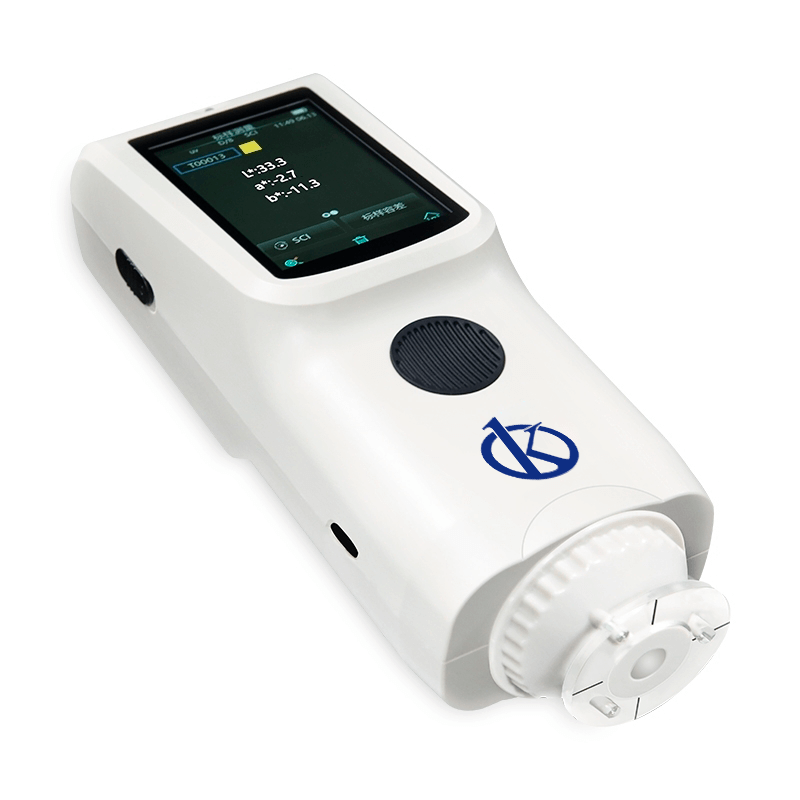
Ensuring Laboratory Compliance with ISO/IEC Standards: A Guide to Spectrocolorimeters
Laboratories across various sectors must adhere to strict ISO and IEC standards to ensure quality, accuracy, and safety in their operations. Among the essential tools that aid in compliance are spectrocolorimeters. In this article, we will explore how these devices help laboratories meet specific ISO/IEC norms, with a focus on their features, applications, and best practices in regulatory compliance.
Understanding ISO/IEC Standards for Laboratories
ISO/IEC standards provide frameworks that laboratories must follow to maintain high-quality operations. Compliance ensures that laboratories produce reliable results, maintain equipment properly, and meet consumer safety regulations. Key standards include ISO/IEC 17025, which outlines the competence of testing and calibration laboratories, and IEC 61010, which addresses safety requirements for electrical equipment used in laboratories.
How Spectrocolorimeters Contribute to Compliance
Spectrocolorimeters are vital for color measurement tasks in laboratories, ensuring that results align with the standards set by ISO/IEC. These devices facilitate precise color assessments, essential for quality control in industries such as paints, textiles, and food. By integrating spectrocolorimeters, laboratories can effectively adhere to the measurement accuracy requirements specified in ISO standards.
Key ISO/IEC Standards Relevant to Spectrocolorimeters
Several ISO/IEC standards are particularly relevant for laboratories using spectrocolorimeters:
- ISO 17025: This standard defines general requirements for the competence of testing and calibration laboratories. Spectrocolorimeters help in maintaining traceability of measurements and compliance with testing protocols.
- ISO 15189: Specifies requirements for quality and competence in medical laboratories, where spectrocolorimeters assist in ensuring accuracy in colorimetric analysis.
- IEC 61010: Ensures that electrical equipment used in laboratories is safe and reliable. Spectrocolorimeters must comply with this standard to guarantee operational safety.
Comparison of Available Models
| Model | ISO/IEC Clauses Covered | Traceability Features | Best For |
|---|---|---|---|
| YR05516 | ISO 17025, ASTM E1164 | Utilizes photodiode sensors for accurate readings | Color measurement in plastics and paints |
| YR05517 | ISO 17025, DIN5033 | Multiple aperture configurations for adaptability | Quality control in textiles |
| YR05518 | ISO 15189, ISO 17025 | Φ8 mm apertures for precision | Medical and clinical laboratories |
| YR05519 | ISO 17025, IEC 61010 | Robust calibration standards | General laboratory applications |
Common Mistakes and How to Avoid Them
Laboratory professionals often encounter challenges when integrating spectrocolorimeters into compliance workflows. Common mistakes include inadequate calibration, failure to maintain traceability, and overlooking the importance of standard operating procedures (SOPs). To avoid these issues, labs should regularly schedule calibration based on the manufacturer's recommendations, ensure all measurements are traceable to national standards, and establish clear SOPs for using spectrocolorimeters.
Best Practices for Regulatory Compliance
To optimize compliance with ISO/IEC standards when using spectrocolorimeters, laboratories should implement the following best practices:
- Regular Training: Ensure all personnel are trained in the proper use of spectrocolorimeters and are aware of compliance requirements.
- Documentation: Maintain thorough documentation of calibration records, test results, and compliance audits.
- Quality Control Protocols: Establish quality control measures to regularly check the accuracy of the spectrocolorimeters.
Strategies for Ensuring Calibration and Maintenance
Calibration plays a crucial role in compliance. Here are strategies to ensure precision in measurements:
- Develop a Calibration Schedule: Set a maintenance and calibration schedule based on usage frequency and manufacturer recommendations.
- Utilize Traceable Standards: Always use calibration standards that are traceable to national or international standards.
- Incorporate Predictive Maintenance: Use predictive maintenance techniques to anticipate equipment failures and schedule maintenance accordingly.
Frequently Asked Questions
How do spectrocolorimeters ensure compliance with ISO 17025 standards?
Spectrocolorimeters like the YR05516 are designed to meet the requirements of ISO 17025 by ensuring accurate color measurements and maintaining traceability through precise calibration. This model uses advanced photodiode sensors to provide reliable readings necessary for compliance.
What features of spectrocolorimeters support IEC 61010 safety requirements?
The YR05519 model incorporates safety features that comply with IEC 61010, ensuring the electrical equipment used in laboratories meets strict safety standards. This includes robust construction and fail-safes during operation.
Which spectrocolorimeter is best for ISO 15189 compliance in medical labs?
For medical laboratories adhering to ISO 15189, the YR05518 spectrocolorimeter is ideal as it features specialized apertures for accurate color measurement in clinical applications, ensuring compliance with laboratory standards.
How can I maintain traceability with my spectrocolorimeter?
Maintaining traceability with your spectrocolorimeter, such as the YR05517, involves using calibration standards that are traceable to national standards and keeping detailed records of calibration and performance checks.
What calibration frequency is recommended for spectrocolorimeters?
It is generally recommended to calibrate spectrocolorimeters like the YR05516 at least once a month or more frequently based on usage, ensuring compliance with ISO/IEC standards and maintaining measurement accuracy.
What are the common mistakes in using spectrocolorimeters for compliance?
Common mistakes include neglecting regular calibration, misunderstanding the importance of maintaining comprehensive documentation, and not training users adequately. These can lead to non-compliance with ISO standards.
How do spectrocolorimeters contribute to quality control in laboratories?
Spectrocolorimeters play a vital role in quality control by providing precise color measurements that help identify production defects, ensuring that all products meet the specified color standards outlined in ISO regulations.
What are the key benefits of using spectrocolorimeters in laboratories?
Using spectrocolorimeters like the YR05518 offers numerous benefits, including enhanced accuracy in color measurement, compliance with international standards, and improved quality control processes, which are essential for laboratory operations.
If you are looking for a fusion of innovation and quality, you have come to the right place. At Kalstein, we offer you the luxury of exploring our exclusive catalog of laboratory equipment. We manufacture every device to the highest standards of excellence. Our intuitive and seamless online purchasing channels are designed for your convenience, securing the most competitive prices. Hesitate no longer — we bring science to life, it is time to become part of our community.