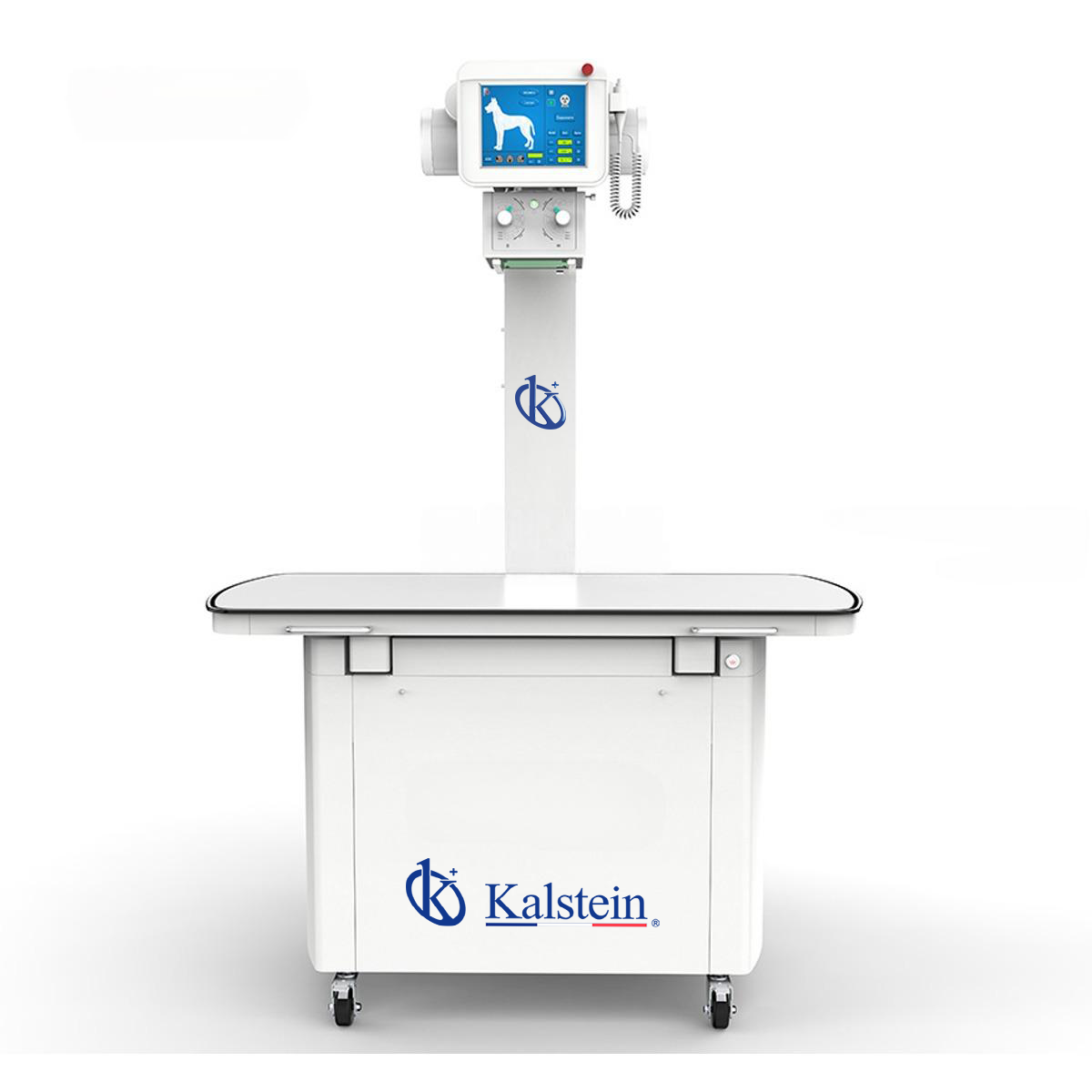
Environmental Conditions and Installation Requirements for the YR06163 Digital Stationary Veterinary X-ray
The YR06163 Digital Stationary Veterinary X-ray is an advanced imaging device designed for veterinary clinics and animal hospitals. Understanding the environmental conditions and installation requirements for the YR06163 is crucial for achieving optimal performance, reliability, and safety. This article will delve into various aspects critical for the proper setup and operation of this sophisticated piece of equipment.
Understanding the YR06163 and Its Technical Specifications
| Specification | Detail |
|---|---|
| Model | YR06163 |
| Maximum Output Power | 20 kW |
| Range of Tube Current | 32~320 mA |
| Tube Voltage Range of Radiography | 40 kV~120 kV |
| Range of Exposure Time | 10 ms~5000 ms |
| mAs Range | 0.32 mAs~320 mAs |
| Input Voltage Range | AC 220V±22V |
| Communication Interface | RS-232 |
| Max Tube Voltage | 120 kV |
| Focus | Small focus: 1.0 mm, Large focus: 2.0 mm |
| Anode Speed | 2800 R/M |
Environmental Conditions Required for YR06163 Operation
For the YR06163 Digital Stationary Veterinary X-ray to operate effectively, specific environmental conditions must be met. These conditions include temperature range, humidity levels, and electrical specifications.
Temperature Range
The optimal operating temperature for the YR06163 is between 10°C and 30°C. Operating outside this temperature range can lead to performance issues or damage to the equipment. Ensuring that the veterinary clinic maintains a stable temperature within this range is essential.
Humidity Levels
The YR06163 requires a relative humidity level of 30% to 75% for ideal functioning. High humidity can cause electrical components to fail, while low humidity can lead to static electricity buildup, which may affect measurements and readings.
Electrical Requirements
The YR06163 operates on an AC voltage supply of 220V with a tolerance of ±22V. It is vital to ensure that the installation area has a stable electrical supply, as fluctuations can lead to improper functioning or equipment damage.
Installation Requirements for the YR06163
Proper installation is crucial to the performance of the YR06163. Several factors should be considered during the installation to ensure safety and efficiency.
Space Requirements
The space designated for the YR06163 should allow for at least 1 meter of clearance on all sides to facilitate proper ventilation and access for maintenance. Overcrowding the area can lead to overheating and operational issues.
Ventilation Needs
Good ventilation is essential for preventing overheating. The YR06163 generates heat during operation; thus, a well-ventilated area is necessary to maintain optimal temperature levels. Ensure that there are no obstructions around the ventilation openings of the device.
Vibration and Stability
The installation surface should be stable and firm. Any vibrations from nearby equipment or foot traffic can affect the accuracy of the readings and the overall performance of the X-ray system. Consider using vibration-dampening mounts if the equipment is situated near heavy machinery.
Common Installation Mistakes and How to Avoid Them
Although installing the YR06163 may seem straightforward, there are common mistakes that can lead to operational issues.
Improper Leveling
Failing to properly level the equipment can affect image quality and operational stability. Use a level during installation to ensure the device is perfectly horizontal.
Neglecting Power Connection Checks
Before powering up the YR06163, verify that all electrical connections are secure and that the power supply meets the required specifications. This will prevent electrical failures.
Overlooking Environmental Controls
Always monitor temperature and humidity levels to ensure they meet the requirements for the YR06163. An environmental control system can help maintain ideal conditions.
Frequently Asked Questions
What are the ideal environmental conditions for the YR06163 Digital Stationary Veterinary X-ray?
The ideal environmental conditions for the YR06163 include a temperature range of 10°C to 30°C and a relative humidity of 30% to 75%. Proper electrical supply is also crucial, requiring AC voltage of 220V±22V.
How much clearance is needed around the YR06163 for proper installation?
It is recommended to have at least 1 meter of clearance around the YR06163 for proper ventilation and maintenance access. This helps prevent overheating and facilitates serviceability.
What type of maintenance is required for the YR06163 to ensure its longevity?
Regular maintenance for the YR06163 includes cleaning, checking electrical connections, inspecting for any wear or damage, and ensuring environmental controls are functional. Regular servicing by qualified personnel is also advised.
What should I do if the YR06163 displays error codes?
If the YR06163 displays error codes, refer to the user manual for troubleshooting steps. Common solutions include checking power connections, ensuring environmental conditions are met, and recalibrating the device if necessary.
Is it possible to relocate the YR06163 after installation?
Yes, relocating the YR06163 is possible, but it should be done carefully to avoid damaging the equipment. Make sure to follow proper shutdown procedures and check environmental conditions in the new location before reinstallation.
Conclusion
In summary, understanding the environmental conditions and installation requirements for the YR06163 Digital Stationary Veterinary X-ray is essential for optimal performance. Proper temperature, humidity, and a secure installation will ensure that this advanced imaging equipment functions effectively and provides accurate results.
If you are looking for a fusion of innovation and quality, you have come to the right place. At Kalstein, we offer you the luxury of exploring our exclusive catalog of laboratory equipment. We manufacture every device to the highest standards of excellence. Our intuitive and seamless online purchasing channels are designed for your convenience, securing the most competitive prices. Hesitate no longer — we bring science to life, it is time to become part of our community.