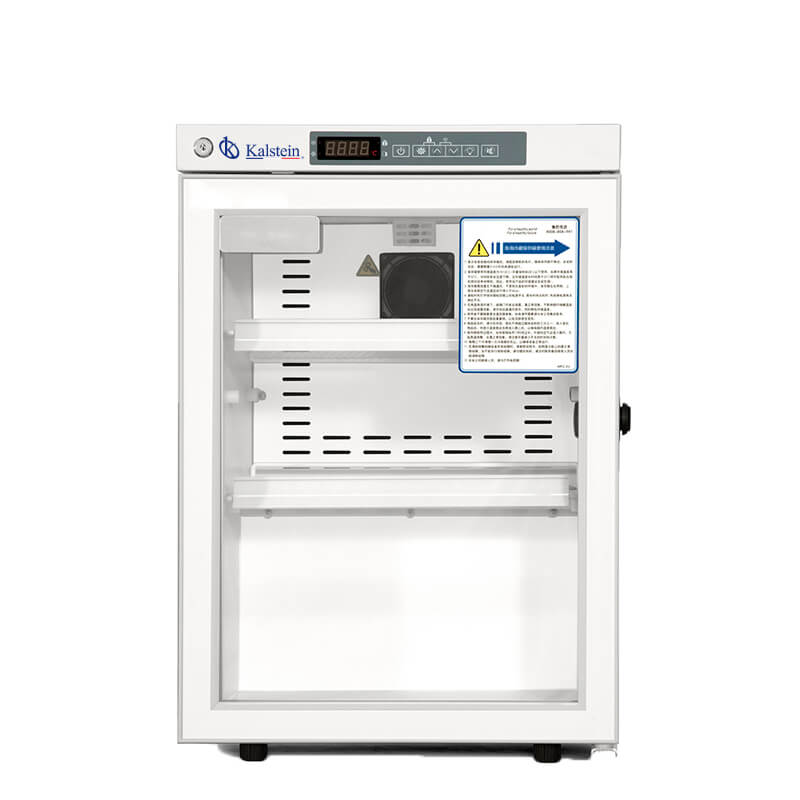
How to Integrate Medical Refrigerators with LIMS for Data Workflow Optimization?
In modern laboratories, the need for seamless data integration and management is paramount. Medical refrigerators play a critical role in storing sensitive biological materials, pharmaceuticals, and vaccines. Optimizing their functionality through integration with Laboratory Information Management Systems (LIMS) can significantly enhance data workflow across laboratory environments. This article explores various models of medical refrigerators and how they can be effectively integrated with LIMS.
Understanding the Importance of Integration
Integration of medical refrigerators with LIMS is essential for maintaining compliance with industry standards and ensuring accurate monitoring of critical samples. LIMS enhances operational efficiency by automating data collection, monitoring, and reporting processes. For instance, refrigerators equipped with USB ports can export temperature data directly to LIMS, allowing for real-time tracking and analysis.
Key Features of Medical Refrigerators for LIMS Integration
When selecting a medical refrigerator for LIMS integration, several features should be considered:
- Temperature Monitoring: Medical refrigerators like the YR05083 and YR05086 have advanced temperature monitoring systems, ensuring that samples are stored at optimal conditions.
- Alarm Systems: Models such as YR05087 and YR05288 come with comprehensive alarm systems that notify users of temperature deviations, ensuring proactive management of stored materials.
- Connectivity Options: Features like USB ports facilitate easy data export to LIMS, enhancing connectivity and data management capabilities.
Comparative Analysis of Available Models
| Model | Temperature Range (°C) | Key Features | Best for |
|---|---|---|---|
| YR05083 | 2 ~ 8 | Alarms, USB port, rapid cooling | Laboratories with moderate sample storage needs |
| YR05085 | 2 ~ 8 | High efficiency fan, alarm system | Pharmaceutical storage |
| YR05086 | 2 ~ 8 | 10 shelves, optimized air distribution | Research labs needing extensive storage |
| YR05087 | 2 ~ 8 | Temperature alarms, digital display | High-volume sample storage |
| YR05288 | 2 ~ 8 | Heated glass door, digital control | Pharmacies and clinics |
Implementing LIMS Integration: Technical Considerations
The technical integration of medical refrigerators with LIMS involves several key considerations:
- Data Communication Protocols: Ensure the chosen refrigerator supports protocols like ASTM or HL7 for effective communication with the LIMS.
- Bidirectional Interfaces: Implement interfaces that allow data to flow both ways between the refrigerator and LIMS, facilitating real-time updates.
- Data Sovereignty: Ensure compliance with local regulations regarding data storage and transfer, particularly in sensitive medical contexts.
Common Mistakes and How to Avoid Them
- Underestimating Integration Complexity: Proper planning and consultation with IT professionals can help mitigate this risk.
- Choosing the Wrong Protocol: Selecting a refrigerator that does not support the necessary data protocols can create barriers to effective integration.
- Ignoring Compliance Standards: Always ensure that the chosen refrigerator models comply with relevant industry standards such as ISO 17025.
Frequently Asked Questions
What are the benefits of integrating medical refrigerators with LIMS in a laboratory?
Integrating medical refrigerators, such as the YR05083, with LIMS enhances data management by automating temperature monitoring and reporting, ensuring compliance with standards like ISO 17025 and reducing manual errors.
How can I ensure my medical refrigerator maintains compliance with regulations?
To maintain compliance, select models with temperature alarms and monitoring capabilities, such as the YR05086, and ensure they are integrated with your LIMS for real-time data tracking and reporting.
Which medical refrigerator model is best for high-volume sample storage?
The YR05087 model is ideal for high-volume sample storage, featuring ten shelves and advanced temperature alarms. Its compatibility with LIMS further optimizes data workflow in busy laboratory environments.
What key features should I look for in a medical refrigerator for LIMS integration?
Look for features such as data export capabilities (USB ports), alarm systems, and precise temperature control, found in models like YR05085 and YR05288, to ensure reliable integration with LIMS.
How does LIMS integration improve data management in laboratories?
LIMS integration improves data management by automating data collection from medical refrigerators, such as the YR05083, thereby enhancing accuracy and efficiency in monitoring and reporting temperature logs.
What is the typical temperature range for medical refrigerators used in laboratories?
Medical refrigerators typically maintain a temperature range of 2 to 8 degrees Celsius, which is essential for preserving sensitive materials. Models such as the YR05086 are designed to operate within this range.
How can I prevent potential temperature violations in medical refrigerators?
To prevent temperature violations, choose models with robust alarm systems, like the YR05087, and ensure they are integrated with LIMS for prompt notifications in case of deviations, allowing for immediate corrective actions.
What type of connectivity is recommended for LIMS integration with medical refrigerators?
Recommended connectivity options include USB ports and compatible protocols like ASTM and HL7, which facilitate seamless data transfer between the medical refrigerator and LIMS.
If you are looking for a fusion of innovation and quality, you have come to the right place. At Kalstein, we offer you the luxury of exploring our exclusive catalog of laboratory equipment. We manufacture every device to the highest standards of excellence. Our intuitive and seamless online purchasing channels are designed for your convenience, securing the most competitive prices. Hesitate no longer — we bring science to life, it is time to become part of our community.