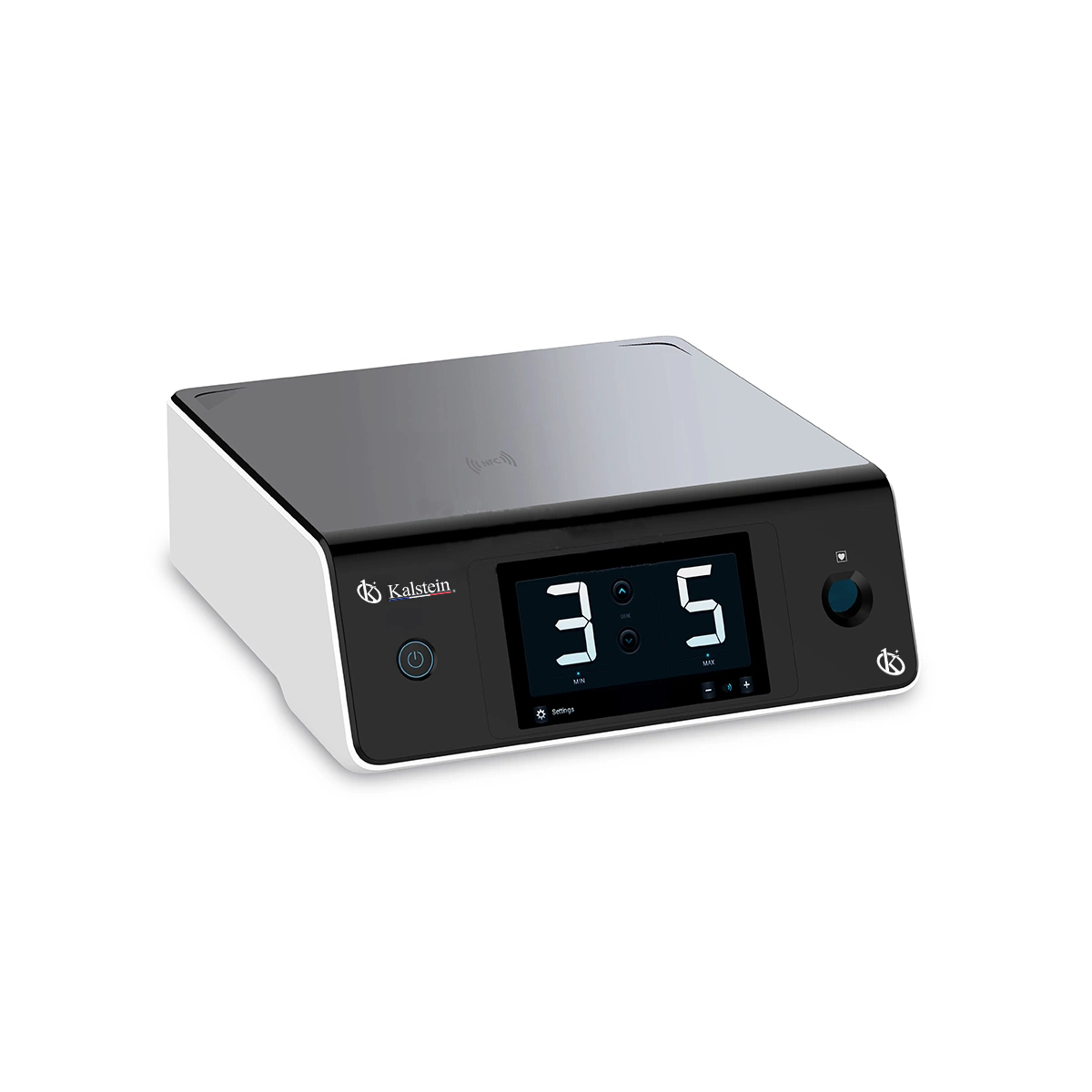
How to Integrate Veterinary Electrosurgical Units with LIMS for Data Flow Digitalization?
Integrating veterinary electrosurgical units with Laboratory Information Management Systems (LIMS) is a crucial step towards enhancing data flow digitalization in veterinary practices. This integration allows for a seamless exchange of information, which is essential for improving operational efficiency and ensuring that patient data is easily accessible and analyzable. In this article, we will explore the various models of veterinary electrosurgical units, their features, and how these can be integrated with LIMS for optimal data management.
Understanding Veterinary Electrosurgical Units
Veterinary electrosurgical units serve as essential tools in surgical procedures, providing capabilities such as cutting and coagulation of tissues. By utilizing high-frequency electrical currents, these units achieve precision in surgical operations, reducing the risk of bleeding and tissue damage. Different models offer unique functionalities tailored to various surgical needs, from general surgery to specialized procedures.
The Importance of LIMS Integration
LIMS integration plays a significant role in modern veterinary practices, enabling the collection, management, and analysis of data efficiently. By connecting electrosurgical units with LIMS, veterinarians can streamline workflows, reduce manual data entry errors, and enhance communication between medical devices and information systems. This integration facilitates better patient care by ensuring that critical data is readily available for decision-making and analysis.
Comparison of Available Models
| Model | Connectivity | Protocols Supported | Integration Effort | Best For |
|---|---|---|---|---|
| YR06129 | USB, Ethernet | HL7, REST | Medium | General surgeries |
| YR06130 | USB, Bluetooth | ASTM, HL7 | High | Specialized surgeries |
| YR06131 | USB | REST | Medium | Laparoscopic procedures |
| YR06132 | Ethernet | HL7 | Low | Open surgeries |
| YR06133 | Wifi | REST, HL7 | High | Mobile surgeries |
| YR06134 | USB, Ethernet | ASTM | Medium | Field surgeries |
Key Features of Each Model in Context of LIMS Integration
Each model of veterinary electrosurgical units comes with specific features that can enhance the integration process with LIMS:
- YR06129: This unit is equipped with stable output control and supports both USB and Ethernet connectivity, making it suitable for general surgeries that require reliable integration with LIMS.
- YR06130: Known for its multifunctionality, it includes a touch screen control panel and supports various protocols, which makes it a great choice for specialized surgeries.
- YR06131: This model offers automatic identification features, which can simplify data input into LIMS, especially during laparoscopic procedures.
- YR06132: With multiple output modes, it is particularly effective in open surgical settings where detailed data collection is essential.
- YR06133: The portable nature and advanced connectivity options facilitate field surgeries while maintaining data integrity through LIMS.
- YR06134: It combines ease of use with advanced data protocols, making it ideal for various surgical scenarios.
Challenges of Integration and How to Overcome Them
Integrating electrosurgical units with LIMS can come with several challenges, including compatibility issues, data transfer delays, and the need for technical expertise. To mitigate these challenges:
- Ensure that the chosen electrosurgical unit is compatible with existing LIMS specifications.
- Invest in training for staff to handle data management efficiently.
- Adopt middleware solutions that facilitate communication between devices.
- Regularly update both the LIMS and the electrosurgical units to ensure smooth operation.
Common Mistakes and How to Avoid Them
When integrating veterinary electrosurgical units with LIMS, common mistakes include failing to establish clear data protocols, neglecting to train staff adequately, and overlooking the importance of regular system updates. To avoid these pitfalls:
- Develop comprehensive data management protocols that are easily accessible to all staff members.
- Conduct regular training sessions to ensure all personnel are proficient in using both the electrosurgical units and the LIMS.
- Schedule periodic system audits to identify and rectify any potential integration issues.
Frequently Asked Questions
How does a LIMS-integrated electrosurgical unit enhance accuracy in veterinary surgeries?
A LIMS-integrated electrosurgical unit, such as the YR06130, enhances accuracy by ensuring that data from surgery is automatically recorded and analyzed, reducing manual errors and improving decision-making.
What are the compatibility requirements for integrating YR06129 with a LIMS?
To integrate the YR06129 with a LIMS, you should ensure it supports USB and Ethernet connectivity and complies with communication protocols like HL7 for seamless data transfer.
Which veterinary electrosurgical unit is best for mobile surgical applications?
The YR06133 is particularly well-suited for mobile surgical applications due to its portable design and robust connectivity options, allowing for effective data management on the go.
How can I ensure reliable data flow from electrosurgical units to LIMS?
To ensure reliable data flow, models like the YR06130, which support multiple protocols, should be used, along with a robust middleware solution that facilitates data synchronization.
What troubleshooting steps should I take if data is not transferring from my electrosurgical unit?
If data is not transferring, check the connectivity settings, ensure the correct protocols are enabled, and consult the manufacturer’s guidelines for troubleshooting specific issues related to your equipment.
How do I evaluate the cost-effectiveness of LIMS-integrated electrosurgical units?
Evaluating cost-effectiveness involves calculating the initial investment versus the long-term savings through improved efficiency and decreased error rates, particularly with models like the YR06132.
What impact does LIMS integration have on surgical outcomes in veterinary practices?
LIMS integration, as seen with the YR06131, significantly improves surgical outcomes by providing real-time data access and analysis, allowing for enhanced surgical precision and patient monitoring.
How can a veterinary practice prepare for the implementation of a LIMS with electrosurgical units?
Preparation involves assessing current workflows, training staff, choosing compatible equipment like the YR06129, and ensuring that data protocols are well-defined for smooth integration.
If you are looking for a fusion of innovation and quality, you have come to the right place. At Kalstein, we offer you the luxury of exploring our exclusive catalog of laboratory equipment. We manufacture every device to the highest standards of excellence. Our intuitive and seamless online purchasing channels are designed for your convenience, securing the most competitive prices. Hesitate no longer — we bring science to life, it is time to become part of our community.