Integrating Drying Ovens with LIMS: Enhancing Data Flow in Laboratories
In the modern laboratory, the integration of equipment with Laboratory Information Management Systems (LIMS) is essential for optimizing data flow and enhancing productivity. This article focuses on the benefits of integrating drying ovens with LIMS, showcasing how this partnership can improve data management, compliance, and operational workflows in various laboratory settings.
Understanding Drying Ovens and Their Role in Laboratories
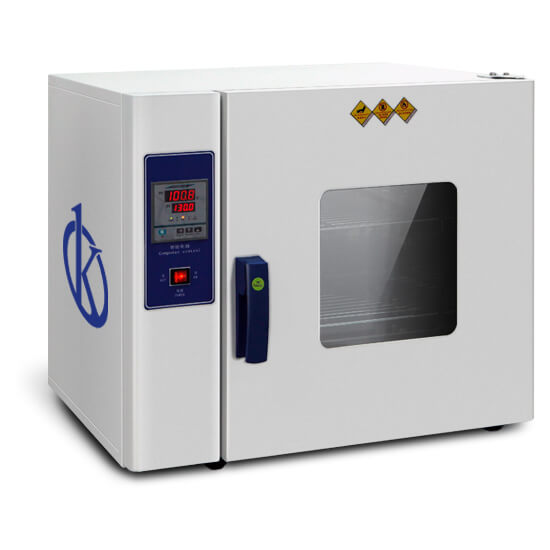
Drying ovens are fundamental in laboratories for processes such as drying, sterilization, and thermal treatment. They provide precise temperature control and are essential for maintaining the integrity of samples and experiments. Their role becomes even more crucial when integrated with LIMS, facilitating a seamless transfer of data regarding sample conditions, processing times, and results.
Benefits of LIMS Integration in Drying Oven Operations
Integrating drying ovens with LIMS allows for automated data logging, real-time monitoring, and enhanced compliance with industry standards. By reducing manual data entry, laboratories minimize errors, improve traceability, and streamline workflows. This integration supports laboratories in meeting regulatory standards such as ISO 17025 and improves overall efficiency.
Connectivity Protocols for LIMS Integration
Successful integration of drying ovens with LIMS relies on effective connectivity protocols. Common protocols include HL7, ASTM, and REST, enabling the exchange of data between devices and software systems. Understanding these protocols is essential for ensuring accurate data flow and compatibility between the drying ovens and the LIMS.
Drying Oven Models Suitable for LIMS Integration
Several models of drying ovens are designed with features that support integration with LIMS. The following table provides a comparison of available models, highlighting their specifications and suitability for various applications.
| Model | Temperature Range (℃) | Price (USD) | Best For | LIMS Integration Features |
|---|---|---|---|---|
| YR05244 | RT+5~250 | 295.00 | High temperature uniformity requirements | RS 485 Computer Interface |
| YR05245 | RT+5~250 | 364.00 | Laboratory research | RS 485 Computer Interface |
| YR05246 | RT+5~250 | 486.00 | Thermal treatment applications | RS 485 Computer Interface |
| YR05247 | RT+5~250 | 598.00 | Comprehensive laboratory workflows | RS 485 Computer Interface |
| YR05248-A | RT+5~250 | 162.00 | Routine laboratory use | Smart Microcomputer Control |
| YR05249-A | RT+5~250 | 180.00 | Research and biomedicine | Smart Microcomputer Control |
Common Mistakes and How to Avoid Them
When integrating drying ovens with LIMS, laboratories can encounter several common pitfalls. These include inadequate understanding of connectivity protocols, underestimating the importance of data validation, and failing to train staff effectively. To avoid these mistakes, laboratories should invest in proper training, maintain open communication with equipment suppliers, and conduct regular audits of their data management processes.
Frequently Asked Questions
How do I ensure proper LIMS integration with drying ovens in my lab?
To ensure proper LIMS integration with drying ovens like the YR05244, it is essential to understand the supported connectivity protocols, such as RS 485. Additionally, ensure that your LIMS software is compatible and that staff are adequately trained to manage data flows effectively.
What are the key benefits of using drying ovens connected to LIMS?
Key benefits of using drying ovens connected to LIMS include automated data logging, enhanced traceability, compliance with ISO 17025 standards, and improved operational efficiency, especially when utilizing models like the YR05245.
Which drying oven models are best for laboratories focusing on data accuracy?
Models like the YR05246 and YR05247 are ideal for laboratories that prioritize data accuracy, as they feature advanced temperature control and integration capabilities that facilitate compliance with industry standards.
How can I improve the data management process in my laboratory using drying ovens?
Improving the data management process can be achieved by integrating models like the YR05248-A with LIMS. This allows for real-time data collection and monitoring, reducing manual entry errors and improving overall efficiency.
What are the considerations for LIMS integration in thermal treatment applications?
Key considerations include ensuring compatibility of the drying oven model, such as the YR05246, with the existing LIMS architecture and validating data transfer protocols to maintain the integrity of thermal treatment processes.
How do I select a drying oven with the right specifications for LIMS integration?
Selecting a drying oven with the right specifications involves evaluating temperature ranges, control features, and integration capabilities. The YR05247 model is noteworthy for its precision and data management features, making it a strong choice for LIMS integration.
What challenges can occur during the integration of drying ovens with LIMS?
Challenges during integration may include compatibility issues, data validation requirements, and the need for staff training. To mitigate these, thorough planning and consultation with equipment manufacturers are recommended.
How frequently should calibration be performed on drying ovens integrated with LIMS?
Calibration frequency for drying ovens like the YR05245 should align with industry standards, typically every 6 to 12 months, to ensure continued compliance and accurate data reporting within the LIMS framework.
If you are looking for a fusion of innovation and quality, you have come to the right place. At Kalstein, we offer you the luxury of exploring our exclusive catalog of laboratory equipment. We manufacture every device to the highest standards of excellence. Our intuitive and seamless online purchasing channels are designed for your convenience, securing the most competitive prices. Hesitate no longer — we bring science to life, it is time to become part of our community.