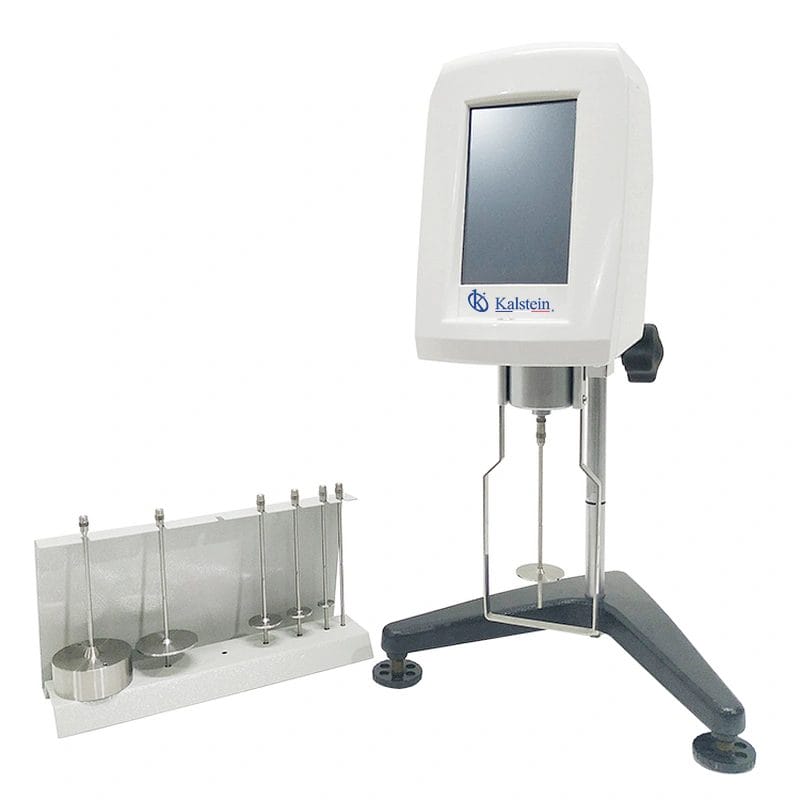
Interpreting Measurements and Results from the YR05858 Brookfield Viscometer
The YR05858 Brookfield Viscometer is a sophisticated instrument used in various laboratory settings to measure the viscosity of fluids. Proper interpretation of its measurements is critical for accurate results, making it essential for operators to understand the principles behind viscosity readings. This guide will delve into the specifics of the YR05858, how to accurately interpret its readings, and ensure reliable outcomes in your applications.
Understanding Viscosity and Its Importance
Viscosity is a fundamental property of fluids, representing the internal friction that resists flow. The YR05858 Viscometer measures viscosity in milliPascal-seconds (mPa·s). Understanding viscosity is crucial in several industries, including pharmaceuticals, food and beverage, cosmetics, and chemicals. Reliable viscosity measurements can influence product formulation, quality control, and overall performance.
Viscosity can vary significantly depending on the temperature and shear rate. Understanding these variations is vital for interpreting results accurately. The YR05858 provides precise measurements, enabling operators to monitor processes and ensure quality compliance.
Technical Specifications of the YR05858
| Specification | Details |
|---|---|
| Model | YR05858 |
| Measuring Range | 1-6,000,000 mPa·s |
| Interface | RS232 |
| Speed | 0.1 / 0.3 / 0.6 / 1.5 / 3 / 6 / 12 / 30 / 60 rpm/min |
| Tolerance | ± 2% |
| Power | AC 220V ± 10% 50 Hz ± 10% |
| Net Weight | 6.8 kg |
| Gross Weight | 9 kg |
Proper Setup and Calibration of the YR05858
To achieve accurate viscosity measurements, it is crucial to set up the YR05858 correctly. Begin by unboxing the device and checking all components against the included checklist. Ensure the viscometer is placed on a flat and stable surface to prevent any vibrations that could affect readings.
Calibrating the YR05858 involves using reference standards. Ensure to follow the manufacturer's guidelines for calibration frequency. A standard calibration procedure includes:
- Powering up the device and allowing it to warm up for a few minutes.
- Connecting the RS232 interface if necessary.
- Running calibration fluids through the viscometer at designated speeds.
Interpreting Viscosity Readings
When interpreting viscosity readings from the YR05858, several factors should be considered. First, understand the displayed unit of measurement, which is mPa·s. This unit quantifies the fluid's resistance to flow, where lower values indicate less resistance (thin fluids) and higher values indicate greater resistance (thick fluids).
Normal viscosity ranges can vary widely based on the specific application and the materials studied. Standard operating procedures should define acceptable viscosity limits for particular fluids. When readings fall outside these limits, it may indicate issues such as contamination, incorrect formulations, or equipment malfunction. Operators must be trained to recognize these variances and understand their implications.
Common Misinterpretations of Measurements
Operators may encounter common misinterpretations regarding viscosity readings. One frequent mistake involves confusing viscosity with density; while both are properties of fluids, they measure different characteristics. Furthermore, environmental factors such as temperature and pressure can significantly impact viscosity readings.
Another misinterpretation arises from the failure to consider shear rate. The YR05858 allows users to test at various speeds, and interpreting results requires understanding how viscosity may change with different shear rates. Operators should always record the speed at which a measurement is taken for accurate analysis.
Case Studies: Applications in Different Industries
The YR05858 Brookfield Viscometer finds applications across various industries. In the pharmaceutical sector, it ensures that ointments and syrups maintain the necessary viscosity for proper efficacy. Laboratory teams routinely utilize it to gauge viscosity in drug formulations, ensuring consistent quality in production.
In the food and beverage industry, the YR05858 is essential for measuring the viscosity of sauces, dressings, and beverages. Accurate viscosity readings help in maintaining product texture and mouthfeel, which are critical for consumer acceptance.
In the cosmetic industry, the YR05858 assists in formulating creams and lotions, determining the right viscosity for proper application and stability. Each of these applications underscores the importance of accurate viscosity measurement and the critical role of the YR05858 in achieving reliable results.
Frequently Asked Questions
What are the primary applications of the YR05858 Brookfield Viscometer?
The YR05858 is primarily utilized in industries such as pharmaceuticals, food and beverage, cosmetics, and chemicals for measuring fluid viscosity, ensuring product quality and consistency.
How do I ensure accurate viscosity readings with the YR05858?
To ensure accurate readings, make sure to calibrate the viscometer regularly, maintain a stable setup, and record the speed used during measurements, as viscosity can vary with shear rate.
What should I do if I encounter inconsistent readings on the YR05858?
Inconsistent readings may indicate calibration issues, equipment malfunction, or improper sample preparation. Check the calibration, verify the sample's viscosity range, and ensure the viscometer is set up on a stable surface.
What type of maintenance does the YR05858 require?
Regular maintenance for the YR05858 includes cleaning components, recalibrating periodically, and inspecting for wear and tear on any mechanical parts.
Can the YR05858 be used for non-Newtonian fluids?
Yes, the YR05858 Brookfield Viscometer can be used to measure the viscosity of non-Newtonian fluids, but interpretation may require additional understanding of how viscosity varies with shear rate.
What is the significance of measuring viscosity in production processes?
Measuring viscosity is significant as it affects the flow properties of fluids, ensuring that products meet required specifications for performance and quality in various applications.
How can I obtain a quote for the YR05858 Brookfield Viscometer?
You can request a quote through our contact channels for the most accurate pricing and options tailored to your needs.
If you are looking for a fusion of innovation and quality, you have come to the right place. At Kalstein, we offer you the luxury of exploring our exclusive catalog of laboratory equipment. We manufacture every device to the highest standards of excellence. Our intuitive and seamless online purchasing channels are designed for your convenience, securing the most competitive prices. Hesitate no longer — we bring science to life, it is time to become part of our community.