Interpreting Results and Measurement Readings with the YR02083 Anesthesia Pendant
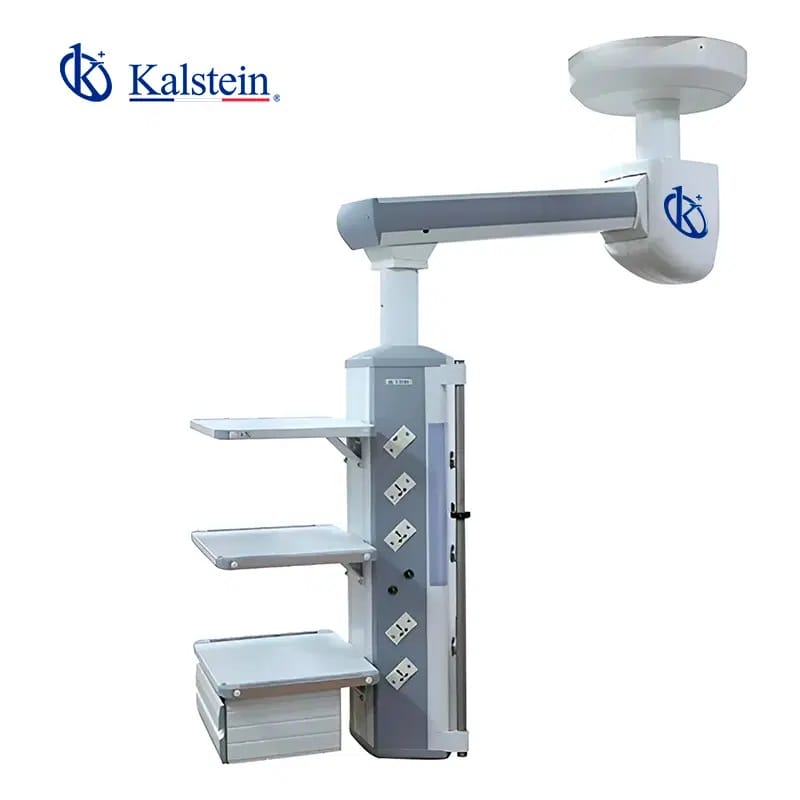
The YR02083 Single Arm Anesthesia Pendant is an essential device in modern medical settings, enabling effective management of anesthesia delivery and essential measurements. This article delves into the interpretation of results and measurement readings specific to the YR02083, ensuring medical personnel can maximize its potential in clinical applications.
Understanding the YR02083 Anesthesia Pendant
The YR02083 is engineered for various settings, including operating rooms, intensive care units, and recovery rooms. Its design focuses on enhancing access to essential utilities for medical staff while ensuring that measurements are accurate and reliable. With a maximum load capacity of 120 kg and a robust braking system, the YR02083 is built to handle the demands of a clinical environment efficiently.
Technical Specifications of the YR02083
| Specification | Detail |
|---|---|
| Model | YR02083 |
| Arm Rotating Radius | 800mm + 800mm |
| Arm Rotating Angle | 340° |
| Braking System | Friction Brake |
| Maximum Load Capacity | 120 kg |
| Standard Configuration | 1 O2, 1 Air, 1 Suction, 1 AGSS, 6 power outlets, 1 network socket, 1 grounding terminal, 1 column length (L=1000mm) |
Interpretation of Measurement Readings
When utilizing the YR02083, accurate interpretation of measurement readings is critical for patient safety and effective anesthesia management. The device features a range of outputs, including gas levels, which must be monitored closely. Medical personnel should be trained to recognize the normal ranges for each gas and the correct procedures for reading and interpreting these values.
Common Misinterpretations of Results
Misinterpretations can arise from misunderstanding the units of measurement displayed on the YR02083. For instance, oxygen levels are typically displayed in percentage (%), while suction levels may be represented in mmHg. It is essential for staff to familiarize themselves with these units to avoid potentially dangerous errors.
Best Practices for Accurate Measurements
- Regular Calibration: Ensure the YR02083 is calibrated as per manufacturer recommendations to maintain accuracy in measurements.
- Training: Provide training for all staff on how to correctly interpret readings and understand unit conversions.
- Documentation: Maintain logs of measurements to track trends over time, which can help identify anomalies.
Environmental Considerations
Understanding the environmental conditions in which the YR02083 operates is crucial for accurate readings. The pendant should be installed in a controlled environment, maintaining appropriate temperature ranges and minimizing electromagnetic interference (EMI) to ensure optimal performance.
Frequently Asked Questions
What types of readings can I expect from the YR02083 pendant?
The YR02083 provides measurements for oxygen levels, air pressure, suction levels, and gas emissions, among others. Understanding how to read these is critical for effective anesthesia management.
How often should I calibrate the YR02083?
Calibration should be performed regularly according to the manufacturer's guidelines, typically every six months, or whenever the device is moved or serviced.
What common errors should be avoided when interpreting results?
Common errors include misunderstanding the units of measurement, not accounting for environmental factors that may affect readings, and failing to regularly calibrate the device.
How can I ensure the YR02083 provides accurate readings?
Regular maintenance, calibration, and proper training for staff on how to utilize and interpret the YR02083 are key factors in ensuring accurate readings.
What is the maximum load capacity of the YR02083?
The maximum load capacity of the YR02083 is 120 kg, which allows it to support various medical equipment safely.
Are there specific settings where the YR02083 is more beneficial?
The YR02083 is particularly beneficial in operating rooms, intensive care units, and recovery rooms, where quick access to anesthesia and monitoring equipment is essential.
What should I do if there’s an error reading?
If there is an error reading, check the calibration, ensure proper setup, and consult troubleshooting guidelines in the user manual to diagnose and resolve the issue.
If you are looking for a fusion of innovation and quality, you have come to the right place. At Kalstein, we offer you the luxury of exploring our exclusive catalog of laboratory equipment. We manufacture every device to the highest standards of excellence. Our intuitive and seamless online purchasing channels are designed for your convenience, securing the most competitive prices. Hesitate no longer — we bring science to life; it is time to become part of our community.