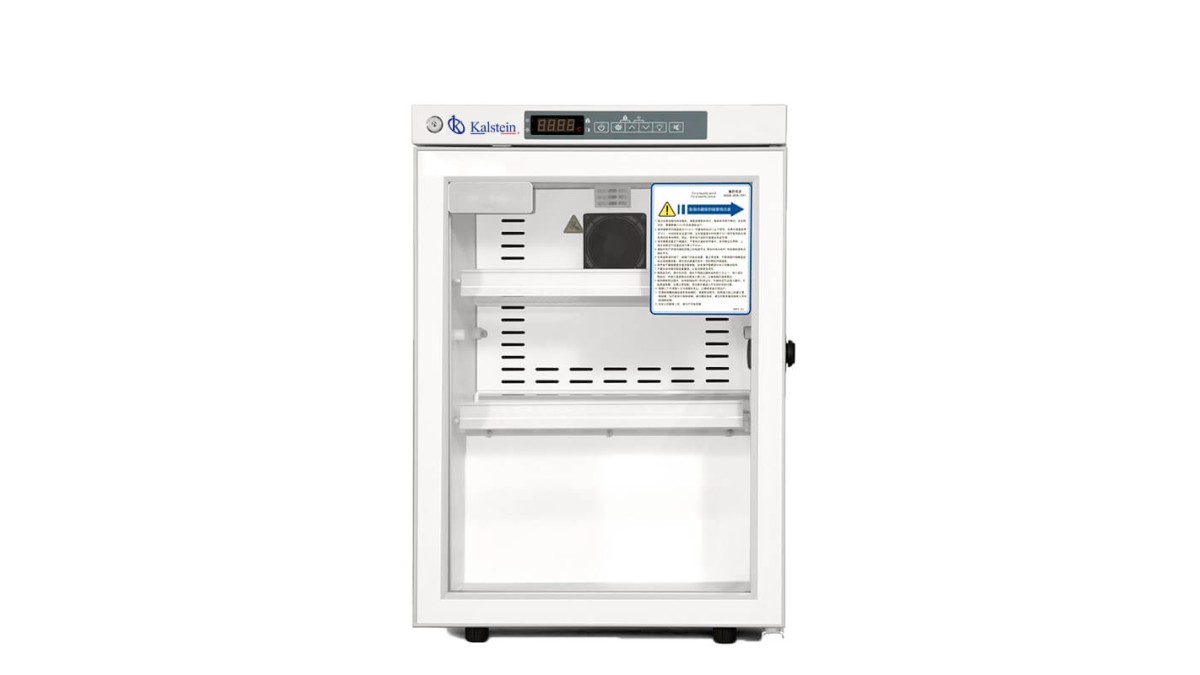
Medical Refrigerators: Practical Applications and Techniques 2026
What is it used for in 2026
Medical refrigerators are critical in healthcare settings, particularly in laboratories and hospitals, where temperature control is paramount for the preservation of pharmaceuticals, biological samples, and reagents. In 2026, these refrigerators are primarily used to store vaccines, blood products, and various laboratory specimens that require specific temperature ranges to maintain their efficacy. The precision in temperature regulation ensures the integrity of sensitive materials, reducing the risk of spoilage and ensuring compliance with safety protocols.
History and evolution of the technology
Medical refrigeration technology has evolved significantly over the past few decades. Initially, basic refrigeration methods were employed, which often lacked precise temperature control. As healthcare technology advanced, the introduction of microprocessor-controlled systems improved the reliability of these devices. In 2026, medical refrigerators incorporate sophisticated monitoring systems, alarm functionalities, and energy-efficient designs, reflecting a shift towards sustainability and enhanced safety in laboratory environments.
How to use it step by step
Using a medical refrigerator effectively involves several steps:
- Initial Setup: Place the refrigerator in a stable environment, away from direct sunlight or heat sources. Ensure the unit is level for optimal cooling performance.
- Temperature Setting: Set the desired temperature range (typically between 2-8°C) using the digital display. Confirm settings against the manufacturer's guidelines.
- Loading Samples: Organize items inside the refrigerator, allowing space for air circulation. Avoid overloading to maintain optimal temperature.
- Regular Monitoring: Check temperature readings regularly, ensuring that alarms are functioning correctly.
- Documentation: Log temperature readings and any incidents for compliance purposes.
Best techniques and protocols
Adopting best practices in the use of medical refrigerators can enhance their effectiveness:
- Utilize calibrated thermometers to monitor internal temperatures accurately.
- Adhere to a strict inventory rotation system to ensure that older items are used first.
- Maintain a clean environment inside the refrigerator to prevent contamination.
- Conduct regular maintenance checks and calibrations to ensure long-term functionality.
Practical applications by laboratory type
Different laboratory types utilize medical refrigerators for various applications:
- Clinical Laboratories: Store blood samples, reagents, and prepared slides.
- Pharmaceutical Laboratories: Preserve sensitive drugs and vaccine supplies.
- Research Facilities: Maintain biological samples that require constant temperature control.
Regulations, standards and certifications
Medical refrigerators must comply with various regulations and standards, including:
- FDA regulations for medical devices.
- ISO standards related to laboratory equipment.
- Local health department guidelines for storing biological materials.
Comparison with alternative technologies
While medical refrigerators are essential, alternative technologies such as cryogenic freezers and temperature-controlled shipping solutions exist. These alternatives offer different temperature ranges and functionalities, suitable for specific applications. However, medical refrigerators remain the most reliable option for maintaining 2-8°C conditions required for many sensitive materials.
Comparison of available models
| Model | Best for | Key specs | Recommended use case |
|---|---|---|---|
| YR05083 | General use | Temperature range: 2-8°C, Energy consumption: 0.84 kWh/24h | Storing lab reagents and small sample batches |
| YR05085 | Pharmaceuticals | Temperature range: 2-8°C, Energy consumption: 3.97 kWh/24h | Storing vaccines and temperature-sensitive medications |
| YR05086 | Large volumes | Temperature range: 2-8°C, Energy consumption: 5.75 kWh/24h | Storing blood products and large sample collections |
| YR05087 | Specialized laboratory use | Temperature range: 2-8°C, Energy consumption: 6.23 kWh/24h | Storing monoclonal antibodies and biopharmaceuticals |
| YR05286-1 | Pharmacy applications | Temperature range: 2-8°C, Energy consumption: varies | High-volume pharmacy storage with visibility |
| YR05288 | Pharmaceutical grade | Temperature range: 2-8°C, Energy consumption: 2.2 kWh/24h | Storing critical vaccines and sensitive biotech products |
Common mistakes and how to avoid them
Common mistakes include:
- Overloading the refrigerator, which disrupts airflow and temperature regulation.
- Ignoring alarm notifications, which can lead to compromised samples.
- Failure to document temperature logs properly, risking compliance issues.
To avoid these pitfalls, implement strict loading protocols, regularly review alarm settings, and maintain comprehensive records of temperature monitoring.
Maintenance, calibration and good practices 2026
Regular maintenance is crucial for optimal refrigerator performance:
- Schedule routine cleaning and inspections every three months.
- Calibrate temperature sensors annually to ensure accuracy.
- Replace filters and check seal integrity regularly to maintain efficiency.
Cost-benefit analysis 2026
Investing in a quality medical refrigerator may seem costly, but the benefits outweigh the expenses. With proper usage and maintenance, these units offer long-term savings by preventing spoilage of valuable materials and ensuring compliance with safety standards. In 2026, the economic viability of medical refrigerators is validated by their role in enhancing laboratory functionality and safety.
Frequently asked questions
What factors should I consider when choosing a medical refrigerator?
When selecting a medical refrigerator, consider the temperature range, capacity, energy efficiency, alarm functionalities, and compliance with regulatory standards specific to your laboratory needs.
How often should I check the temperature of the refrigerator?
It is advisable to check the temperature at least twice daily and record the readings to ensure consistency and compliance with safety protocols.
What is the ideal placement for a medical refrigerator?
The refrigerator should be placed in a stable, climate-controlled environment away from direct sunlight and heat sources to maintain optimal performance.
Can multiple models be used simultaneously in one laboratory?
Yes, different models can be utilized together based on specific storage needs, allowing for the effective organization of various temperature-sensitive materials.
What should I do if the alarm goes off?
Immediately check the temperature and determine the cause of the alarm. Investigate any potential issues, such as power failure or door seal problems, and document the incident.
How can I ensure compliance with regulations?
Stay updated with local and international regulations regarding medical storage, maintain detailed logs of temperature readings, and conduct regular equipment inspections.
Where can I find reliable medical refrigerators?
To explore a wide range of reliable medical refrigerators, request a quote on Kalstein Plus, where you can find the equipment that best fits your laboratory needs.
If you are looking for a fusion of innovation and quality, you have come to the right place. At Kalstein, we offer you the luxury of exploring our exclusive catalog of laboratory equipment. We manufacture every device to the highest standards of excellence. Our intuitive and seamless online purchasing channels are designed for your convenience, securing the most competitive prices. Hesitate no longer — we bring science to life, it is time to become part of our community.